As an Amazon Associate, we earn from qualifying purchases. Some links on this site are affiliate links at no extra cost to you. Our recommendations are based on thorough research and editorial judgment.

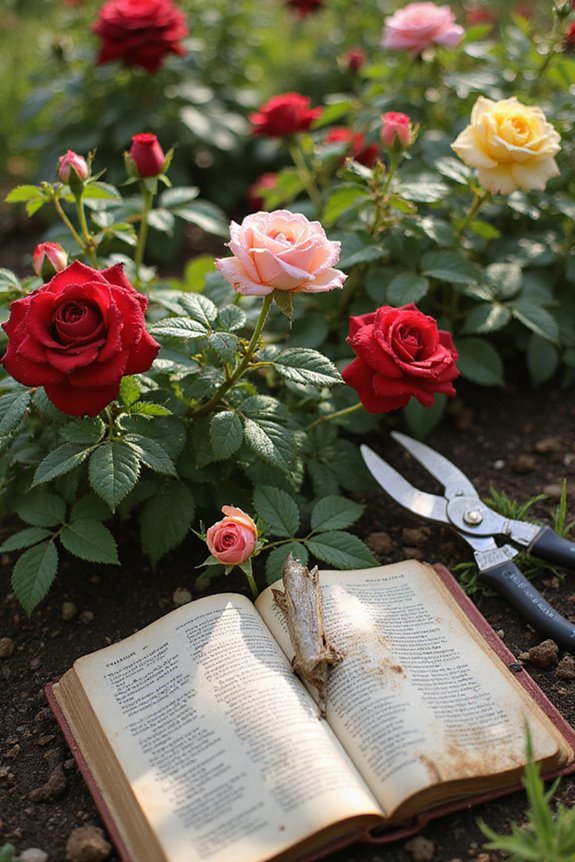
What Does Repeat Flowering Mean On Rose Labels?

When we see “repeat flowering” on rose labels, it means these beautiful plants bloom multiple times throughout the growing season! Isn’t that exciting? Roses like the fragrant ‘Pat Austin’ and climbers such as ‘Don Juan’ continuously grace our gardens with their vibrant colors and delightful scents. To encourage those lovely blooms, we should regularly deadhead, fertilize with balanced nutrients in spring, and keep the soil moist. There’s so much more to discover about these charming beauties!
Key Takeaways
- Repeat flowering roses bloom multiple times throughout the growing season, enhancing garden displays with vibrant colors and fragrances.
- The term indicates that these roses can produce dynamic flushes of flowers every 6 to 8 weeks from spring to fall.
- Regular dead-heading of spent flowers encourages further blooms and helps redirect the plant’s energy.
- Proper care, such as balanced fertilization and consistent watering, is essential for promoting repeat blooming in roses.
- The label signifies a variety known for its robust blooming behavior, ideal for gardeners seeking extended flowering periods.
Definition and Characteristics of Repeat Flowering Roses
You may be interested
When we think about the beauty of roses, it’s hard not to get excited about repeat flowering roses! These marvelous plants bloom several times throughout the growing season, unlike their once-blooming cousins that are only a spring fling! With vibrant colors and an array of delightful fragrances, they can provide a continuous garden display from early summer to autumn. Most notable are the China and Bourbon rose classifications, known for their robust blooming conditions. We can further enhance their beauty by dead-heading spent flowers, encouraging even more blooms. Imagine your garden alive with color, cycling through blooms every few weeks! This is why repeat flowering roses are a fantastic addition for any garden enthusiast looking for that stunning, lasting impact! Additionally, utilizing the right fertilizers and nutrients can significantly improve the health and longevity of these blooming beauties.
The History Behind Repeat Flowering Traits
As we plunge into the fascinating history behind repeat flowering traits in roses, it’s essential to appreciate how these remarkable genetic qualities reshaped our gardens! Originating from Chinese roses in the late 18th century, known as Rosa chinensis, they brought a thrilling *remontancy* to European horticulture, changing the blooming game forever! Imagine—once there was just one annual bloom; now, with thoughtful breeding techniques, we could see roses blossom for up to 200 days! The emergence of hybrid Bourbons and Noisettes in the 19th century showed us the historical significance of combining traits, paving the way for modern cultivars. Through every careful cross, we reclaim the magic of repeat flowering, allowing our gardens to flourish in vibrant color and delightful fragrance! Liquid fertilizers have played a vital role in enhancing the growth and bloom quality of modern repeat-flowering rose varieties.
Understanding the Blooming Cycle of Repeat Flowering Roses
Understanding the blooming cycle of repeat flowering roses is like revealing the secret to an endlessly colorful garden! These gorgeous plants bloom multiple times during the growing season, with dynamic flushes occurring every 6 to 8 weeks. Starting from spring and delighting us until fall, they truly elevate our gardening experience. To keep those blooms coming, let’s focus on flower maintenance! Regular dead-heading helps redirect energy into new buds, while proper fertilization, with a little extra phosphorus, makes our flowers larger and more vibrant. Remember, timing is essential—pruning at the right moments boosts future cycles, and watering consistently prevents drought stress. Additionally, using fertilizers like Advanced Bloom Booster ensures that your roses receive the necessary nutrients for those stunning blooms. Embrace these blooming intervals, and let your garden shine all season long!
Recommended Products

Bulk Single Application Nutrients Apply once per grow cycle to deliver consistent nutrition without mixing or measuring.

100% Pure Castings: You receive (4) 30lb bags of WIGGLE WORM Worm Castings – each is OMRI listed organic, nutrient-rich, and mineral-dense pure castings, not vermicompost or uneaten worm bedding, and is one of the only castings products to be recognized as a fertilizer due to our special manufacturing and harvesting process.

Combo Pack: You will receive (2) 40 LB bags of Worm Egg Material Raised Bed Mix, and (1) 15 LB bag of WIGGLE WORM Soil Builder Earthworm Castings Organic Fertilizer.
Popular Rose Varieties Known for Repeat Flowering
Repeat flowering roses not only extend our gardening joy throughout the seasons, but they also bring an array of stunning varieties to choose from! For instance, popular climbing roses like ‘Lady of Shalott’ and ‘Don Juan’ grace our gardens with vibrant blooms and delightful fragrances. They’re perfect for outdoor trellises! Meanwhile, if we’re after a splash of color, vibrant floribunda options like ‘The Times’ and ‘Golden Beauty’ produce clusters of flowers that catch the eye and enhance any landscape. Don’t forget about the fragrant ‘Pat Austin’, a standout for its rich coppery-orange shades. With these repeat-flowering gems, we can savor beauty from spring all the way through autumn! Durability and construction can also play a role in their long-term performance and enjoyment in our gardens. Which ones will make their way into our garden?
Cultivation Tips for Encouraging Repeat Blooms
Getting our roses to bloom repeatedly is like releasing a treasure chest of color and beauty in our gardens! To achieve this, we need some effective deadheading techniques. Regularly snipping off spent blooms prevents seed formation, allowing our plants to channel energy into new flowers. We should aim to deadhead just as flowers fade, enhancing growth response!
Additionally, let’s focus on soil nutrition; a well-fed rose is a happy rose. Using balanced fertilizers, particularly in early spring, sustains our roses during long flowering periods. Incorporating organic components into our fertilizer choices can enhance soil health for long-lasting growth. We must keep the soil consistently moist, avoiding waterlogged conditions. With these simple yet essential practices, we can encourage those beautiful, repeat blooms, transforming our garden into a radiant paradise! Let’s dig in!
Recommended Products

Great garden shears for serious gardeners. This is a heavy, high quality pruning shear you’ll be proud to own or gift. These garden pruners are a classic design and feel expensive. Every gardener needs this pruner, but most gardeners don’t have one.

HARDENED STAINLESS STEEL BLADES: Designed with straight sharp blades for precision snips and cuts, these gardening scissors are great for pruning fruit trees, bonsai, and thorny bushes. Pruning shears are durable, sharp, and come with an easy safety lock for storage.

Precision Plant Care for Professionals and Enthusiasts: These gardening shears are perfect for trimming herbs & flowers; Their compact, fine-tipped, rust-resistant high-carbon steel blades offer precise cutting in tight spaces, making them ideal for daily use in gardens, pots, and on delicate stems; Available in a convenient 12-pack - ideal for florists, landscapers, and nurseries who require multiple shears for continuous, high-volume trimming
The Importance of Repeat Flowering in Horticulture
When considering the beauty and utility of our gardens, the significance of repeat flowering in horticulture truly shines! These stunning roses provide a riot of color from late spring to early frost, making our outdoor spaces lively and vibrant. Beyond aesthetics, they deliver remarkable ecological benefits—supporting pollinators and offering essential resources for wildlife during critical seasons. Plus, their economic impact is notable; they command premium prices, reducing our maintenance costs with less need for seasonal replanting! Imagine a garden where every bloom enhances biodiversity, creates habitat, and delights the senses. Embracing repeat flowering roses not only elevates our landscapes but contributes to a sustainable gardening ethos! Let’s cultivate beauty that keeps on blooming together!
Repeat Flowering vs. Once-Blooming Roses: Key Differences
Understanding the differences between repeat-flowering and once-blooming roses can transform the way we design our gardens! Repeat-flowering roses, often called remontant, provide delightful multiple flushes of blooms every 6 to 8 weeks, ensuring color throughout the growing season. In contrast, once-blooming roses treat us to a stunning but brief showcase, bursting with flowers once yearly. Their blooms usually stretch from April to July, offering a more extended display of vibrant colors!
While once-bloomers often boast strong fragrances, repeat bloomers can present larger, showier flower forms, sometimes sacrificing scent for beauty. To maintain lovely blooms, we need to deadhead repeat-flowering varieties regularly. Let’s embrace these differences to curate the perfect rose garden!
Recommended Products

SUPER CONCENTRATE MAKES 1,000 GALLONS - Earth's Ally 3 in 1 Plant Spray Super Concentrate creates 1,000 gallons of multi-purpose pest and fungus spray that works as an insecticide, miticide and fungicide. The formula effectively controls insects and common plant diseases with a synergistic blend of botanical oils.

Includes TWO 2.5 Gallon Concentrates

3-PRONGED-APPROACH: Our Deer Repellent Combines fear, scent, and taste-based technology into one ultimate product. There's no need for product rotation. It prevents deer browsing and works to keep deer out. It also works to prevent deer rubbings, which can damage trees and plants. Many plants are deer attractants. It's important to protect before the damage is done!
Choosing the Right Repeat Flowering Roses for Your Garden
As we plunge into choosing the right repeat flowering roses for our gardens, it’s thrilling to explore the vibrant options that promise continuous blooms and endless beauty! First, let’s prioritize varieties renowned for their multiple flushes—from summer to frost—ensuring our gardens are awash in color. We should consider the plant size and growth habits that fit our garden design, whether compact shrubs for borders or climbing roses to adorn trellises. Don’t forget to look for pest resistance to simplify rose care! Selecting fragrant English Roses can elevate our garden’s atmosphere. Finally, we must think about climate compatibility—some thrive in heat, making them perfect for warmer regions. Let’s create an enchanting, colorful space we’ll cherish season after season!
Recommended Products

Dimensions: 16.5" shade diameter, 9" shade height, 17.5" base height, 7" base width, 22.5" total height

【Product Introduction】 Metal arch size: 157"L x 20"W x 105"H. Secures by inserting 7" into the ground. Its distorted design enhances both aesthetics and plant climbing. The plastic-wrapped shell protects roots from high temperatures in hot weather

The wall mural is cut into 6 pieces for easy installation, each in 100"x24",total size is 100"x144" (Height x Width)
Frequently Asked Questions
Do All Rose Varieties Repeat Flower?
Not all rose types repeat flower. While some bloom abundantly throughout summer and autumn, others revel in a single spring flush. We’ll explore these stunning differences, celebrating the variety found in blooming seasons and cultivars.
How Many Times Can a Repeat Flowering Rose Bloom?
Repeat-flowering roses can bloom three or more times annually, showcasing impressive flowering cycles. Their bloom frequency varies based on care and climate, allowing us to enjoy vibrant flowers from spring right through to fall.
Can Environmental Factors Affect Repeat Blooming?
Sure, we’re just like roses, aren’t we? Our blooming frequency heavily depends on climate impact; too much heat and we’re hibernating! Let’s pamper our blooms with sunlight and consistent care to keep them thriving.
Is Deadheading Necessary for All Repeat Blooming Roses?
Deadheading isn’t necessary for all repeat-blooming roses; some thrive without it. However, mastering deadheading techniques enhances rose maintenance and encourages more prolific blooms, particularly in hybrid varieties that greatly benefit from this practice.
What Pests Commonly Affect Repeat Flowering Roses?
We often find aphids, thrips, and leafhoppers affecting repeat flowering roses. To combat these pests, we should focus on pest control measures and blackspot prevention, ensuring our roses thrive and bloom beautifully throughout the season.