As an Amazon Associate, we earn from qualifying purchases. Some links on this site are affiliate links at no extra cost to you. Our recommendations are based on thorough research and editorial judgment.


How To Create Gravel Paths Around Rose Beds?

Creating stunning gravel paths around our rose beds is both fun and functional! First, let’s plan curved layouts to unite beauty with accessibility. We’ll excavate the ground carefully, ensuring it’s weed-free and leveled. Next, we install edging to define our paths, using sturdy materials for longevity. Building a solid base of crushed stone is key; it’ll support our lovely gravel! Regular maintenance keeps our paths gorgeous. Stick with us, and we’ll guide you through selecting the perfect gravel!
Key Takeaways
- Plan a curved path layout around rose beds to enhance visual appeal and ensure easy access for maintenance.
- Excavate the area to a depth of 4-6 inches, removing grass and roots to prevent regrowth.
- Install edging materials like metal or wood to create a defined structure and prevent gravel spreading.
- Build a compacted base layer using high-quality crushed stone to ensure stability and proper drainage.
- Use landscape fabric beneath the gravel to prevent weeds, and maintain the path by raking regularly.
Planning the Path Layout
You may be interested



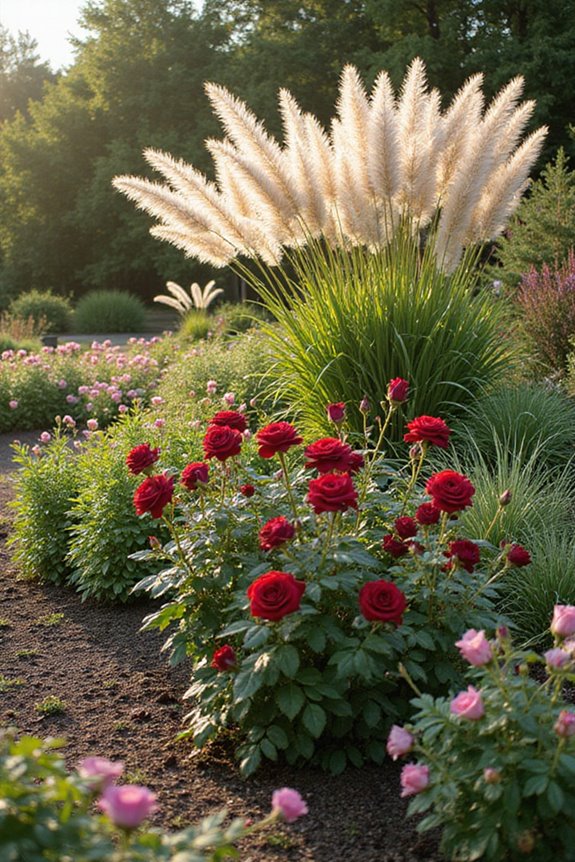
When we’re planning the perfect path layout around our rose beds, it’s essential to contemplate both function and beauty! A flowing curve adds natural allure, while straight lines offer a touch of formality. Think of layout; multiple access points will make maintenance a breeze and provide varying viewing angles! We should also keep our paths at least 2-3 feet wide—comfort is key as we stroll through our blooming paradise.
Let’s align those paths to embrace sunlight patterns, ensuring our roses bask in their radiant glow during peak bloom times! Incorporating soil pH monitoring into the garden maintenance routine will help us maintain the optimal health of the rose bushes as well. Spice it up with focal points like benches or statues at path intersections, adding visual interest and cozy resting spots. This is where pathway aesthetics truly shine! Happy gardening!
Excavation and Ground Preparation

To kick off our excavation and ground preparation for those beautiful gravel paths, let’s roll up our sleeves and dive right in! First things first, we’ll use proper excavation techniques: we need to dig about 10-15 cm (4-6 inches) deep, clearing out grass, weeds, and roots. This avoids pesky regrowth beneath our gravel! Remember to keep our trench width around 60-90 cm based on our design.
Next, let’s level the base with a rake, ensuring a smooth surface. If our soil is lacking, we can incorporate soil amendments like well-finished compost or coarse sand to boost drainage. Additionally, it’s a great time to check the soil pH levels, as roses thrive in a slightly acidic environment. Finally, a firm base is essential! Compact the sub-base to create a strong foundation. Exciting, huh? We’re one step closer to those gorgeous rose bed paths!
Installing Edging for Structure

Installing edging for our gravel paths isn’t just about structure; it’s a chance to enhance the beauty of our rose beds! We can choose from various edging materials like durable metal, charming wood, or flexible plastic, each bringing its unique flair. First, let’s cut a shallow trench along our planned edge. Position the selected edging firmly in the trench, ensuring a neat alignment—this is key for both beauty and function! To keep everything stable, we’ll use securing techniques like metal stakes for rigid materials. Finally, let’s check that the tops align evenly, giving us that polished look. Adding some mulch or colorful ground cover next to the border will truly tie the whole area together—beauty, structure, and nature in harmony! Moreover, using ergonomic designs in our gardening tools can enhance comfort while creating these beautiful paths.
Recommended Products

PERFECT FOR A WIDE RANGE OF CONCRETE FLATWORK PROJECTS, including slabs, footings, driveways, sidewalks, curbs, and braces, ensuring versatility and reliable performance.

SHARP AND STURDY: These heavy-duty, solid tent stakes are suitable for many kinds of soil, asphalt, and even concrete with proper drilling. The tips of the spikes are sharp and can penetrate the lawn base (grass, sand, clay, etc. ) easily and stay in place. They are easy to use & durable enough without bending.

THE LONGEST & STRONGEST STAPLE ON AMAZON: Manufactured using tough 8 gauge thick steel, these staples will pierce through the hardest and toughest soils. The long 12 inch length ensures that the staple stays secure even in the toughest conditions. Dealing with sandy soil? No problem.
Building the Base Layer
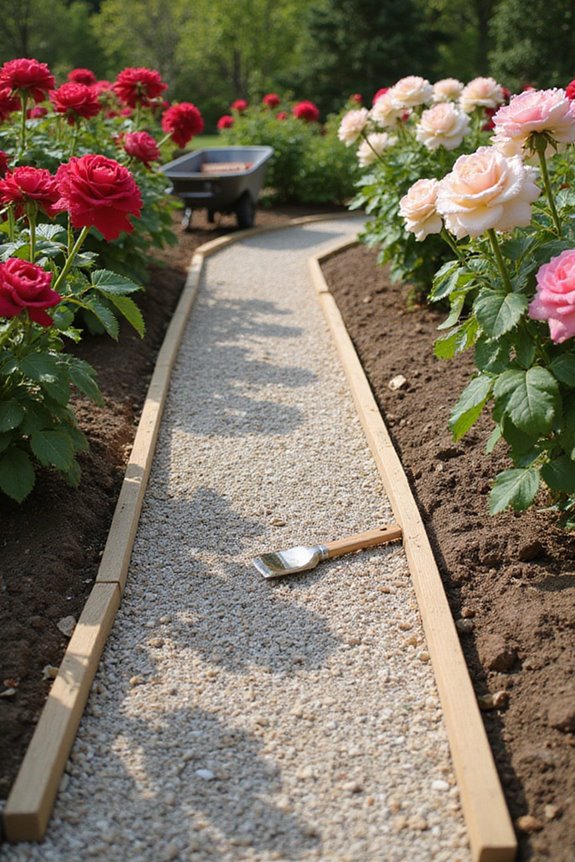
As we plunge into building the base layer for our stunning gravel paths, it’s essential to lay a solid foundation that not only supports our elegant rose beds but also enhances their charm! First, we’ll excavate the path area to a depth of 4 to 6 inches, removing any grass and debris to guarantee a clean workspace. Then, we’ll compact the soil for base stability, shaping it with a crown to promote drainage. Next, we’ll choose high-quality angular crushed stone or crusher run as our base material, spreading it evenly to about 2-3 inches thick. By compacting this layer incrementally, we’ll achieve a rock-solid foundation that prevents shifting and keeps our paths looking pristine. Additionally, using organic fertilizers can enhance the health of nearby rose plants as they grow in the enriched soil. Let’s get started!
Recommended Products
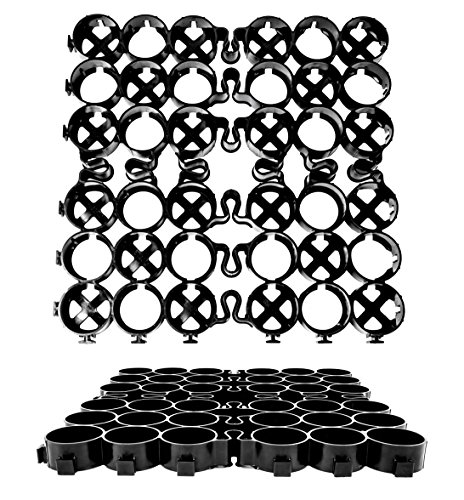
HEAVY DUTY: The PRO PLUS pavers are the industry strongest grid with patented flex joints, never-fail locking tabs handles 250,000+ lb vehicles with 1M psf compression strength

Angular crushed limestone gravel built for stability and dependable performance

Angular crushed limestone gravel built for stability and dependable performance .
Selecting and Spreading Gravel
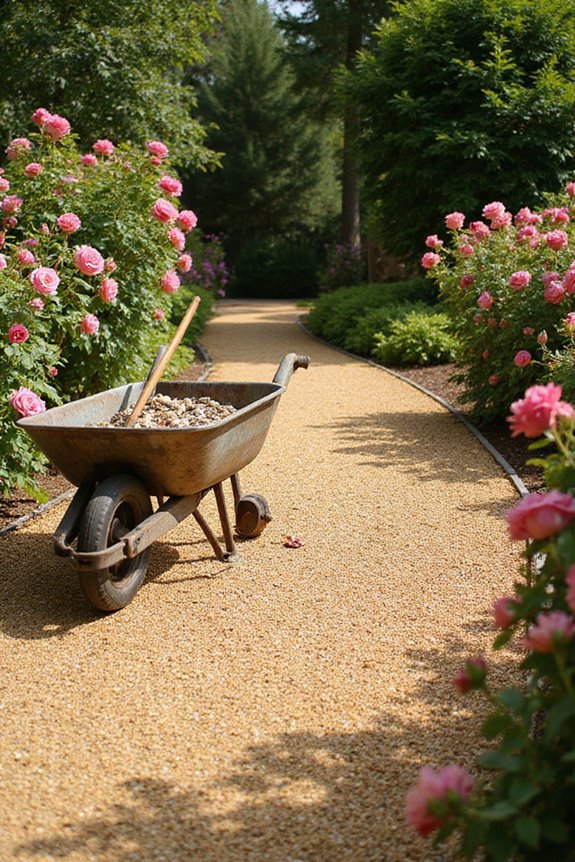
While we may envision our gravel paths weaving elegantly around our rose beds, selecting the right type of gravel is essential for both beauty and functionality! We have several gravel types to choose from, such as versatile pea gravel, which offers a smooth walk underfoot, and durable crushed granite that stands up to traffic. Decomposed granite creates a compact but soft surface, while budget-friendly construction gravel supports strong drainage. For a touch of elegance, consider marble chips—but watch that soil pH! When spreading, let’s aim for a uniform thickness of 2–3 inches for ideal path aesthetics and stability. Remember, proper edging will contain the gravel, preventing it from wandering into our lovely rose beds! Additionally, considering tools like ergonomic cultivators can make the process of maintaining the surrounding soil much easier.
Recommended Products

Prevents Shifting & Erosion: Locks gravel, soil, and sand in place, reducing washouts, preventing erosion, and maintaining a stable, even surface over time.

【Gravel Pebbles Size】Premium 1/4-Inch Decorative Gravel (45 lbs Bag),Ideal Size for Delicate Plants: Perfectly sized at 1/4 inch (≈6mm) for succulents, cacti, and small terrariums, ensuring optimal airflow and root protection.

【Gravel Size】 Our 5 lbs stones come in a bag. The succulent rocks measure about 1/4 inch (6-9mm), perfect for succulents and cactus plants and other small potted plants.
Optional Features for Enhanced Aesthetics
With our gravel paths neatly laid around the rose beds, let’s access the potential for a truly enchanting garden experience! To enhance aesthetics, we can introduce colorful accents like vibrant annuals along the edges, attracting pollinators and adding cheer. Imagine the textural contrasts of lush boxwood hedges juxtaposed against the soft gravel—stunning! We can also add curves to our paths, guiding visitors to focal points, like clustered roses or delightful decorative art, creating a natural flow throughout the garden. Uplighting our sculptures or roses adds evening drama, transforming our space. Finally, let’s consider planting hardy groundcovers, softening our path edges while supporting our beautiful roses, and creating a seamless connection between gravel and blooms. Happy gardening!
Ongoing Maintenance Tips
Caring for our gravel paths not only keeps our garden looking sharp, but it also guarantees that our beloved roses flourish! For effective weed prevention, let’s lay high-quality landscape fabric beneath the gravel, blocking those pesky weeds before they start. We should inspect our paths regularly, hand-pulling any emerging weeds promptly—no mercy here! Raking the gravel to smooth the surface helps with gravel upkeep, so let’s keep those stones in their place. A slight crown in our paths will prevent water pooling—an easy trick! Remember to replenish the gravel annually to maintain that stunning appearance. With each care routine, we’re ensuring our roses bloom beautifully and our paths remain inviting! Happy gardening!
Frequently Asked Questions
What Tools Do I Need for Gravel Path Installation?
For gravel path installation, we’ll need shovel types for digging, measuring tools for consistency, and different gravel sizes for drainage and comfort. Edging materials and landscape fabric help guarantee a neat and lasting finish.
How Long Does It Take to Create a Gravel Path?
Creating a gravel path’s like baking a delicious cake; with the right ingredients and timing, we typically spend 2 to 4 hours on path installation, plus some time for gravel maintenance afterward to keep it pristine.
Can I Install a Gravel Path in Wet Weather?
We can install a gravel path in wet weather, but we need to be cautious. It’s best to use a moist, firm foundation and consider a larger base layer to prevent sinking. Regular maintenance may be required afterward.
What Should I Do About Drainage Issues?
As we envision a garden oasis, we must address drainage issues first. Let’s explore effective drainage solutions that enhance our landscape design, ensuring water flows smoothly, safeguarding our plants from stagnation and root rot.
Are There Any Environmentally Friendly Gravel Options?
Absolutely, there’re plenty of eco-friendly options! We can choose sustainable gravel types like recycled concrete aggregate, decomposed granite, or pea gravel, which not only look great but also support environmental health and local ecosystems.