As an Amazon Associate, we earn from qualifying purchases. Some links on this site are affiliate links at no extra cost to you. Our recommendations are based on thorough research and editorial judgment.

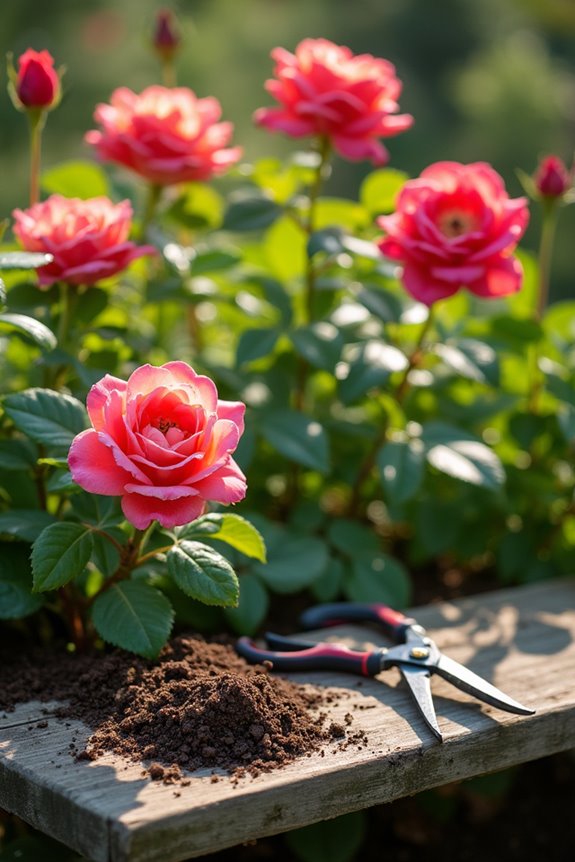
Should I Use Grass Clippings As Mulch For Roses?

Absolutely, we should use grass clippings as mulch for our roses! They conserve moisture, combat pesky weeds, and enrich the soil with essential nutrients as they break down. Just remember to apply a thin layer of 1-2 inches in early spring and replenish every couple of months. Plus, they’re eco-friendly! With these simple steps, we can make our roses bloom brighter than ever! Want to know more tips on maximizing our mulch game?
Key Takeaways
- Grass clippings provide moisture retention, conserving up to 50% of water for your roses.
- They suppress weeds by blocking sunlight, promoting healthier growth for your roses.
- As they decompose, grass clippings enrich the soil with vital nutrients like nitrogen and potassium.
- Apply thin layers (1-2 inches) to prevent matting, which can restrict air and moisture.
- Ensure clippings are dry and free of chemicals from treated lawns to protect your roses.
Benefits of Using Grass Clippings as Mulch
You may be interested

When we think about nurturing our beloved roses, we often overlook a simple yet powerful ally right in our own backyards: grass clippings! Using these vibrant green treasures not only provides essential moisture retention—conserving up to 50% of water—but also offers fantastic weed control. A thick layer of grass clippings blocks sunlight, preventing pesky weeds from germinating around our roses. Plus, as the clippings decompose, they enrich our soil with nitrogen and potassium, boosting fertility. This double benefit of nourishing our roses while keeping weeds at bay makes grass clippings an incredible organic mulch! Additionally, incorporating organic materials and amendments can help enhance soil health, providing further support to your roses. Let’s embrace this eco-friendly practice, supporting both our beautiful blooms and the environment—what’s not to love? It’s time to let those clippings shine in our gardens!
Recommended Products

Ready-to-Use Potting Soil: No mixing required! Michigan Peat General All-Purpose Premium Potting Soil is ready to use straight from the bag, saving you time and effort

Versatile for All Planting Needs: Ideal for indoor and outdoor potted plants, bulbs, starting seeds, and rooted cuttings, providing a healthy environment for all types of plants

Ideal for Indoor & Outdoor Use: Perfect for potted plants, bulbs, seed starting, and plant propagation both indoors and outdoors, ensuring strong, healthy growth in any setting
Application Guidelines for Grass Clipping Mulch

Ready to elevate our rose gardens? To get the most out of grass clippings as mulch, we need to pay attention to application timing and mulch layering. Let’s start by spreading a layer about 2 to 4 inches thick in early spring, just before weeds emerge. This balances moisture retention with aeration! Every 2 to 3 months, we should replenish those layers, especially in late summer—protecting our roses from seasonal changes. Remember, thin layers are key; too thick can lead to slimy mats. We must also guarantee that we extend our application slightly beyond the drip line, covering the whole rose bed to keep weeds at bay. Additionally, using grass clippings as mulch can help to improve soil health by breaking down and adding nutrients to the soil over time. Let’s keep our roses happy and thriving!
Recommended Products

BULK MULCH FOR LARGE PROJECTS: Pallet contains 80 bags of Scotts Nature Scapes Color Enhanced Mulch Deep Forest Brown; each 1.5 cu. ft. bag covers 6 sq. ft. when applied in a 3-inch layer

ORGANIC MULCH: With this Miracle-Gro Organic All Natural Mulch bulk pallet, you can cover your biggest landscaping and gardening projects
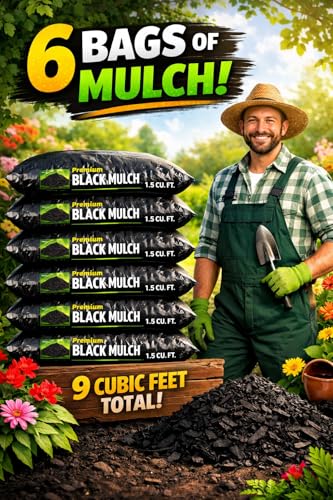
GENEROUS COVERAGE: This premium mulch bundle includes 6 large bags containing 1.5 cubic feet each, providing 9 cubic feet total to cover and enhance your garden beds and landscaping areas
Nutritional and Soil Health Considerations

As we enthusiastically apply those grass clippings around our beloved roses, let’s also consider the remarkable nutritional benefits and soil health enhancements they bring! Grass clippings are packed with essential macronutrients like nitrogen, potassium, and phosphorus, supporting vibrant growth and flowering. They promote nutrient cycling and boost microbial health in our soil, turning those clippings into a slow-release fertilizer that benefits our roses over time. Plus, the increase in organic matter improves soil structure, allowing roots to access nutrients and water more effectively. Just imagine those happy roses thriving from the goodness we provide! By recycling grass clippings, we’re not just mulching; we’re enhancing the garden’s ecosystem, making our roses stronger and healthier for seasons to come! Additionally, using organic soil mixes can further optimize the benefits of grass clippings, creating a thriving environment for your roses.
Potential Risks and How to Mitigate Them

While we can’t overlook the impressive benefits of using grass clippings as mulch for our roses, it is essential to be aware of the potential risks that come with this seemingly simple practice. Thick layers can lead to severe matting issues, restricting air and moisture to our rose roots. Plus, if those clippings come from treated lawns, we’re facing chemical risks that could harm our plants! To minimize these concerns, we should layer clippings thinly—around an inch is perfect. We should also consider drying applications to reduce odor problems and prevent disease transfer. Regular cleaning techniques for our tools ensure that we don’t introduce diseases to our roses. Monitoring moisture levels will help keep our roses thriving, ensuring they bloom beautifully! Let’s embrace these tips for a flourishing, vibrant garden!
Seasonal and Practical Considerations
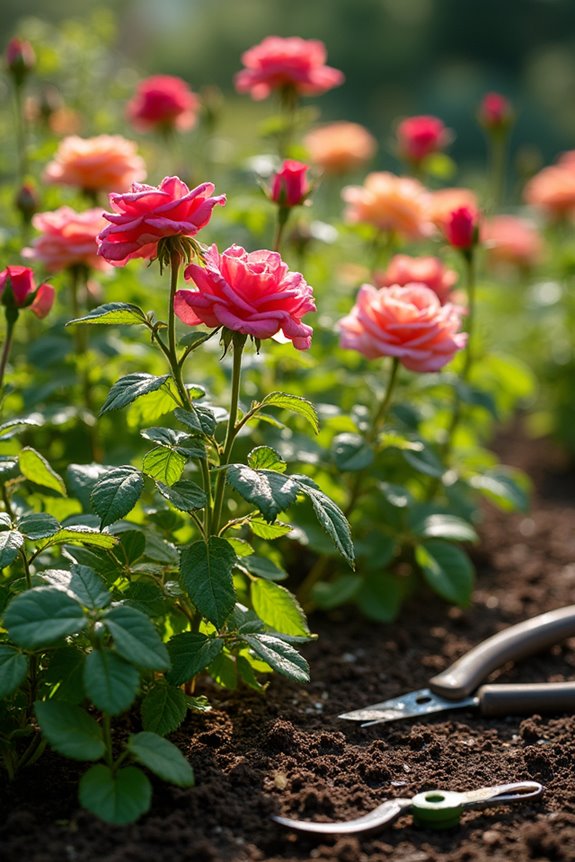
Understanding the seasonal and practical considerations of using grass clippings as mulch for our beloved roses is pivotal for achieving a thriving garden! To get started, we should apply grass clippings in early spring—around late March to early April—right after our first fertilizing session. This seasonal timing encourages robust growth! Let’s make sure the clippings are dry and loose before we spread them, especially during those humid days. A generous layer of 1-2 inches will keep moisture in and regulate temperature, protecting our roses from heat stress. Plus, we should reapply mulch in autumn before winter hits to enhance soil fertility. Incorporating organic options like specialty rose planting mix can provide slow-release nutrients that support blooms throughout the growing season. Remember, effective practical handling is key to a flourishing rose garden—let’s dig in and get growing!
Alternatives and Complementary Mulching Options
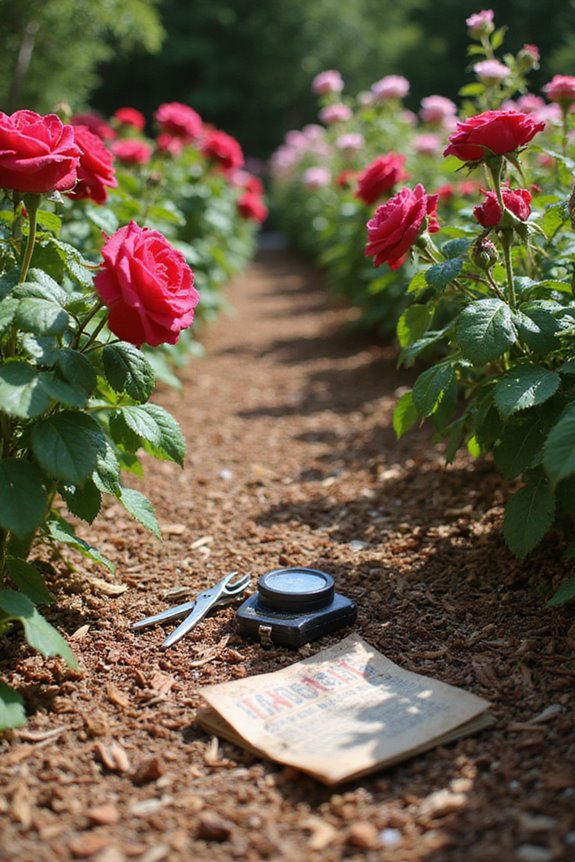
When it comes to giving our roses the best care possible, exploring alternatives and complementary mulching options can truly elevate our gardening game! Bark mulch, especially shredded cedar, not only looks beautiful but also offers fantastic pest-repellent properties while breaking down slowly for lasting weed suppression. On the other hand, leaf mulch, made from composted leaves, enriches our soil, improves drainage, and is often easy on the wallet since it’s usually readily available. Keep in mind that while leaf mulch may need replenishing, its benefits make it worthwhile! Let’s diversify our mulching strategy to create a thriving environment for our roses! Combining these options creates a vibrant, nutrient-rich ecosystem we can all admire. Happy gardening!
Recommended Products

Aesthetic and Low-Maintenance Benefits Instant Landscape Transformation: Achieve a clean, professionally finished look for garden beds and pathways with a fresh application. 100% Organic & Peat-Free: Our organix mulch mix is 100% organic & peat-free. Peat is one of Mother Nature’s most important stores of carbon. Instead of imported peat
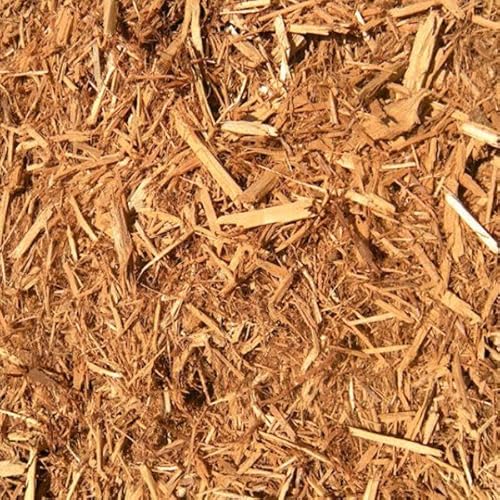
🌟 Versatile Cypress Mulch: Ideal for landscaping, garden beds, potted plants, and reptile habitats. GARDENWISE Premium Cypress Mulch Blend provides a natural, decorative finish and functional benefits for indoor and outdoor spaces.

100% Cedar Bark and Cedar Wood Fiber.
Tips for Effective Grass Clipping Mulching
To guarantee our roses thrive with the benefits of grass clipping mulch, it is vital to follow a few expert tips! First, let’s apply our fresh grass clippings in thin layers—about ¼ inch thick. This technique maximizes grass clipping advantages, preventing slime and mold while allowing quick decomposition. We can refresh our mulch throughout the growing season to keep moisture and nutrients flowing. Remember to apply clippings away from the stems to avoid rot! Additionally, mixing dried clippings with carbon-rich materials can enhance aeration and breakdown. Timing is critical, so let’s mulch after watering and feeding, ideally in early spring. With these mulching techniques, our roses will flourish beautifully—healthy roots, vibrant blooms, and less weed hassle? Absolutely!
Recommended Products

BULK MULCH FOR LARGE PROJECTS: Pallet contains 80 bags of Scotts Nature Scapes Color Enhanced Mulch Sierra Red; each 1.5 cu. ft. bag covers 6 sq. ft. when applied in a 3-inch layer

Organic Paper Mulch: A natural and soil-compatible paper mulch designed for vegetable gardens and annual plantings where simple weed control and soil-friendly coverage are needed

Organic Paper Mulch: A natural and soil-compatible paper mulch designed for vegetable gardens and annual plantings where simple weed control and soil-friendly coverage are needed
Frequently Asked Questions
Can I Use Colored Grass Clippings for Mulch?
We can use colored clippings for mulch, but we should be cautious. While they provide organic benefits, potential chemical residues might harm our roses. It’s best to verify their source and consider alternatives first.
How Often Should I Apply Grass Clippings as Mulch?
We should apply grass clippings as mulch every 2 to 3 months, ensuring an ideal thickness of 3 to 4 inches. This helps suppress weeds and retain moisture for our beloved roses throughout their growing season.
Are There Any Pests Attracted to Grass Clipping Mulch?
In our garden’s whispering tales, pests like slugs and gnats lurk among the clippings. By weaving pest prevention strategies, we invite beneficial insects to dance, ensuring our blooms thrive in vibrant harmony and health.
Can Clippings From Other Plants Be Used for Roses?
Absolutely, we can use clippings from compatible plants as mulch for roses. They provide mulch benefits like moisture retention and nutrient enhancement, helping our roses thrive while suppressing weeds and improving soil structure over time.
Is It Necessary to Compost Grass Clippings Before Use?
When it comes to grass clippings, we believe composting’s the way to go! The benefits of composting not only enhance clippings’ nutrient profile but also prevent rot, ensuring our roses thrive beautifully.