As an Amazon Associate, we earn from qualifying purchases. Some links on this site are affiliate links at no extra cost to you. Our recommendations are based on thorough research and editorial judgment.


Can Poor Soil Be Improved For Roses?

Absolutely, we can improve poor soil for roses! First, let’s focus on creating well-draining, nutrient-rich soil. Mixing in organic matter like compost or sphagnum peat moss enhances texture and moisture retention. Aim for a 1:1:2 mix of peat moss, compost, and garden soil! Regularly test the pH, adjusting it to about 6.0-6.5 for ideal growth. With the right care and amendments, your roses will thrive beautifully! Stay tuned for more tips on creating a rose paradise!
Key Takeaways
- Improve drainage by incorporating organic matter like compost and sphagnum peat moss into the soil mix.
- Test soil pH; amend with sulfur to lower pH or lime to raise it for optimal conditions.
- Mix well-draining materials, avoiding sand with clay, to enhance soil texture and aeration.
- Use a recommended mix of peat moss, compost, and garden soil to enrich nutrient content.
- Cover soil with organic mulch to maintain moisture and support soil health over time.
Understanding the Importance of Well-Draining Soil for Roses
You may be interested



When it comes to growing stunning roses, the foundation is everything—literally! Good drainage is essential. We acknowledge that standing water leads to “wet feet,” which our rose friends absolutely dread. To avoid drainage pitfalls, we require slightly acidic, loamy soil. This mix of sand, silt, and clay gives us that perfect balance of moisture retention and aeration. We can also incorporate organic matter like compost to guarantee air flows freely through the soil. And let’s not forget about raised flower beds! Elevating our rose roots not only enhances drainage but also prevents compaction. With these techniques, we’ll cultivate a thriving rose garden, allowing our blooms to flourish in the sun, showcasing their vibrant colors for all to admire! Incorporating nutrient-rich soils can significantly boost the growth and health of our roses.
Enhancing Soil Drainage Through Amendments

Soil drainage isn’t just a matter of luck; it’s about making smart amendments that can truly transform our rose garden! To enhance soil drainage, we can mix organic materials like compost and sphagnum peat moss. These drainage materials not only improve texture but also retain moisture. Incorporating perlite or vermiculite will lighten the soil and boost soil aeration, creating that ideal balance for our roses! Proper gloves should be worn while working the soil to protect against potential injuries from thorns. Avoid using sand with clays, as it can lead to worse drainage issues. A great mix to start with is 1:1:2 of peat moss, compost, and garden soil. Let’s cover our amended soil with 2-3 inches of mulch, maintaining moisture and protecting our lovely rose roots. Happy gardening!
Recommended Products

FEEDS UP TO 6 MONTHS: Miracle-Gro Potting Mix is a gardening soil for outdoor containers that feeds all types of potted plants, including flowers, vegetables, shrubs, annuals, and perennials for up to 6 months

You will receive 10 (1.5 cu ft) bags per order

10 GALLON POTTING SOIL: 10 pack of 10 gallon (1.5 cu Ft) of Roots Organics Coco-Fiber Original Potting Soil for your hungry plants
Boosting Soil Nutrient Content for Healthy Roses

As we commence on the journey to create a flourishing rose garden, it’s crucial to focus on boosting the soil’s nutrient content, which serves as the backbone for healthy growth and vibrant blooms! To guarantee our roses thrive, we should start by incorporating organic amendments like compost and well-decomposed manure. These additions improve nutrient retention, allowing the roots to soak up essential macronutrients like nitrogen, phosphorus, and potassium.
Let’s not forget micronutrients either! Adding products like Peters S.T.E.M. can help fill potential gaps in our soil. We recommend testing our soil every few years—it’s a savvy way to guide our fertilizing strategy! With balanced pH and attention to nutrients, our roses will flourish, rewarding us with splendid and stunning flowers!
Recommended Products

TURBO-CHARGED LIQUID COMPOST - Specifically designed to promote soil health, this all-purpose compost fertilizer organic is good for nearly anything you grow. Root Ruckus works to promote plant and root growth, as well as increase fruiting, blooms, and harvest. It protects against plant shock and increases water retention. Root Ruckus humic acid for lawn increases the natural energy processes of your plants, leading to a stronger root system and improves the plants immune system.

IMPROVES SOIL STRUCTURE & NUTRIENT AVAILABILITY- GS Plant Foods Humic Acid Soil Amendment supports healthy soil by enhancing cation exchange capacity and helping the root zone access existing nutrients in the soil more efficiently. Derived from high-quality Leonardite.

Ready-to-Use Potting Soil: No mixing required! Michigan Peat General All-Purpose Premium Potting Soil is ready to use straight from the bag, saving you time and effort
Adjusting Soil Ph for Optimal Rose Growth

To achieve a stunning rose garden, adjusting the soil pH is a key step we can’t overlook! Roses thrive in slightly acidic soil, ideally between 6.0 and 6.5. First, let’s start with pH testing; it’s crucial before planting. If our soil pH is too high, we can lower it with soil amendments like elemental sulfur or organic materials such as peat moss. For those with high clay content, monitoring is essential. Conversely, if the pH dips too low, applying lime can bring it back to balance. Regular testing—seasonally or annually—ensures we’re on track! Additionally, maintaining a soil pH between 6.0 and 6.8 is essential for overall plant health and bloom quality. We’ll see the fruits of our labor in vibrant blooms and healthy growth. Let’s get those roses thriving!
Recommended Products

BLOOMS AFTER FIRST APPLICATION: This fertilizer booster flows to the root zone of rose bushes, hydrangeas, citrus trees, and garden plants to activate garden soil nutrients and unlock the full potential of existing fertilizers. Customers report rose bushes that had not bloomed in years producing big, beautiful flowers within weeks of application.

🌱 90% PURE FINE POWDER High-quality elemental sulfur powder with 90% purity, finely ground for easy mixing, maximum effectiveness, and consistent results.

No dust, hard, uniform pellets
Building Ideal Soil Beds for Roses

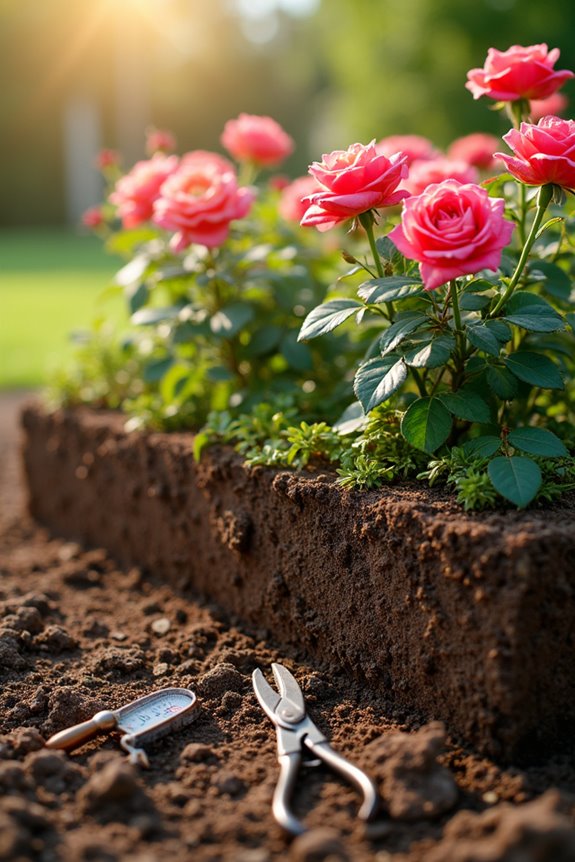
Creating the perfect soil bed for our roses is an exhilarating adventure in gardening, where every detail contributes to the beauty of our blooms! For ideal bed construction, we should start with loam soil, a delightful mix of sand, silt, and clay. Let’s aim for soil layering that’s deep, rich in organic matter, and slightly clayey—this combination promotes both moisture retention and drainage!
To guarantee roots thrive, we should dig planting holes 8–12 inches wider than the root ball and enrich our beds with 2 to 4 inches of compost or aged manure. After preparing the area, we can test for drainage; it should ideally clear within an hour. Happy soil means happy roses, and we’re in for a stunning show! Adding materials such as organic soil nutrients can further enhance the soil’s fertility and support robust rose growth.
Recommended Products

Versatile for All Planting Needs: Ideal for indoor and outdoor potted plants, bulbs, starting seeds, and rooted cuttings, providing a healthy environment for all types of plants

Natural & Organic Blend: 40-quart bag is made from a mixture of natural peat and composted animal manure, providing a high-nutrient boost for your plants
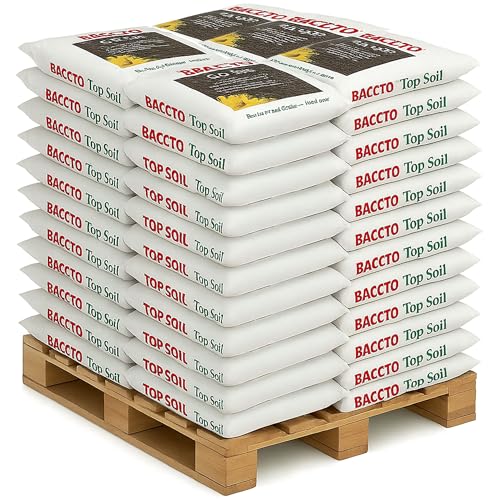
High-Quality Potting Soil Blend: Crafted with a mix of reed, sedge, peat, and sand, this high-quality soil provides the perfect environment for strong, healthy plant growth
Promoting Beneficial Soil Microorganisms
While we might focus on nutrients and watering, promoting beneficial soil microorganisms is the secret ingredient to thriving roses! These tiny heroes enhance microbial diversity, forming crucial fungal associations that expand our roses’ root systems. By encouraging mycorrhizal fungi, we not only boost phosphorus uptake—key for stunning blooms—but also improve disease resistance and drought resilience.
To get started, we can inoculate our seed starting mix or dip roots in microbial solutions, creating that essential symbiosis early on! Let’s also consider using biofertilizers that combine beneficial bacteria with phosphorus fertilizers; they’ll supercharge plant health and nutrient cycling. With a little love for our soil’s microorganisms, we’re well on our way to growing gorgeous, resilient roses! Isn’t gardening magical?
Soil Maintenance Practices for Long-Term Health
As we immerse ourselves in the world of soil maintenance practices, let’s remember that healthy soil is the bedrock of a flourishing rose garden! To achieve this, incorporating organic mulches like straw or wood chips is vital. These wonderful materials not only enrich our soil but also conserve moisture, keeping our roses hydrated and happy. Plus, mulch serves as a protective blanket against soil erosion—what’s not to love?
Implementing composting is another fantastic way to boost fertility and improve soil structure. Let’s also practice minimal tillage, preserving the essential layers of soil that support microbial life. By regularly testing our soil’s pH and nutrient levels, we guarantee our roses have all they need to thrive, establishing a vibrant, resilient garden. Happy gardening!
Practical Tips for Improving Poor Soil Quality
Healthy roses start with great soil! To begin, let’s consider soil testing; it’s essential to determine pH, aiming for that sweet spot of 6.0 to 6.5. If we find nutrient deficiencies, don’t fret! Adding organic matter like compost or well-aged manure can vastly improve soil texture and fertility. We can also create a healthy haven for our roses by layering mulch which helps retain moisture and enriches the soil. Remember, regular fertilization during the first year is key to combating nutrient deficiencies. For drainage, consider mixing in gravel for those clay-heavy soils! By taking these steps together, we’ll transform our poor soil into a flourishing foundation for beautiful roses—let’s get our hands dirty and watch them thrive!
Recommended Products

Organic Compost Blend: Enhance the nutrient content and soil quality of lawns and raised garden beds with this organic blend, promoting healthy plant growth and soil vitality

Horticultural Grade Vermiculite: Premium organic fine vermiculite, ideal for potting soil for orchids, indoor plants, and succulents. Enhances water retention and nutrient availability for robust growth.

💧 COMMERCIAL-GRADE HYDRATION: Elevate your gardening with Soil Vigor, a professional-quality potassium polyacrylate. This super absorbent polymer acts as an automatic waterer for your plants, ensuring they receive consistent moisture without daily effort.
Frequently Asked Questions
How Often Should I Test My Soil for Roses?
When it comes to soil testing for our roses, we should follow frequency guidelines suggesting every three years. However, we might want to test more often if we’re managing specific concerns or enhancing our garden’s health.
Can I Use Chemical Fertilizers With Organic Amendments?
Yes, we can use chemical fertilizers with organic amendments. This combo offers chemical fertilizer benefits for quick nutrient access, while mitigating organic amendment limitations, ultimately enhancing soil health and supporting stronger rose growth over time.
What Specific Rose Varieties Thrive in Poor Soil?
We’ve found fabulous drought-resistant roses like the dog rose and resilient rugosa varieties thrive beautifully in bleak, poor soils. Native rose varieties often flourish wonderfully, offering fragrant blooms and ecological benefits, despite challenging conditions.
Is Fall a Good Time to Amend Soil for Roses?
Absolutely, fall’s a great time for soil amendments in preparation for our roses. The cool weather encourages root development, while fall planting allows us to enhance soil nutrients for vigorous blooms come spring.
Will Raised Beds Retain Too Much Moisture for Roses?
No, raised beds won’t retain too much moisture for roses if designed properly. By optimizing soil mix and drainage, we can guarantee our rose root health stays strong while effectively managing raised bed moisture levels.