As an Amazon Associate, we earn from qualifying purchases. Some links on this site are affiliate links at no extra cost to you. Our recommendations are based on thorough research and editorial judgment.

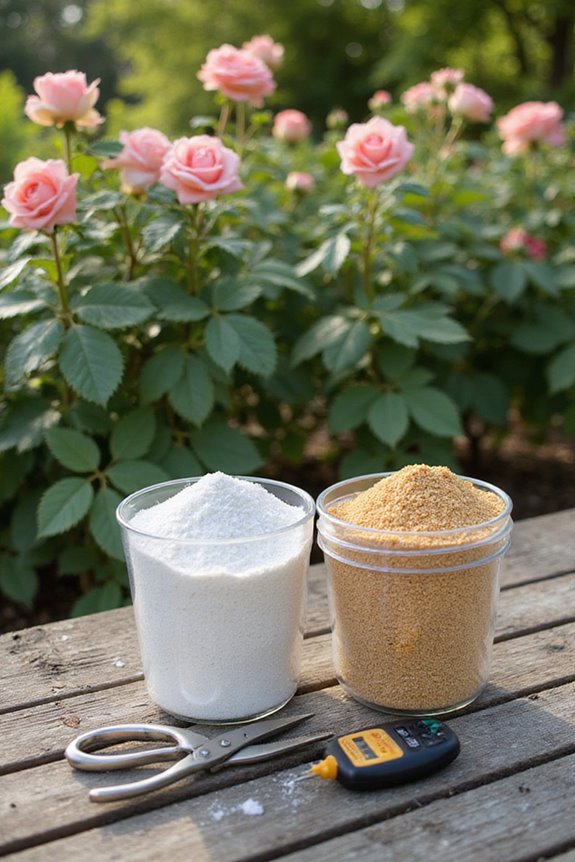
Should I Add Perlite Or Sand For Drainage?

If we want to boost drainage in our garden, choosing between perlite and sand is key! Perlite’s lightweight, airy structure is fantastic for plants like orchids and succulents, as it holds moisture while ensuring excellent drainage. On the other hand, coarse sand offers rapid drainage and stability, perfect for cacti and carnivorous plants. By mixing the two, we can achieve an ideal balance of aeration and support that keeps our plants thriving! But let’s explore some more tips for success!
Key Takeaways
- Perlite enhances aeration while retaining moisture, making it ideal for plants like orchids and succulents.
- Coarse sand improves drainage but retains less moisture, suitable for cacti and carnivorous plants.
- Combining perlite and sand optimizes both drainage and support for various plant types.
- Monitor moisture levels closely when using sand to avoid root drowning.
- Consider plant preferences and growing conditions to tailor your soil mix effectively.
Understanding Drainage and Aeration Properties
You may be interested



When we talk about understanding drainage and aeration properties in our garden soil, we’re opening the door to the often-overlooked secret to thriving plants! By focusing on drainage benefits and aeration improvement, we can boost our plants’ health dramatically. Coarse sand enhances drainage in compacted soils, creating bigger pore spaces for roots to thrive. On the other hand, perlite brings a lightweight, porous structure that elevates air circulation, ensuring our roots breathe freely. Mixing these two ingredients based on our soil types can lead to fantastic outcomes! For drought-tolerant plants, sand is a dream come true. For container gardens? Perlite is our best friend! Additionally, amendments like Wakefield Premium Organic Biochar improve moisture retention and soil structure, further supporting healthy root development. Let’s get digging, improving our soil’s structure, and creating an oasis for our beloved plants!
Comparing Water Retention and Moisture Handling
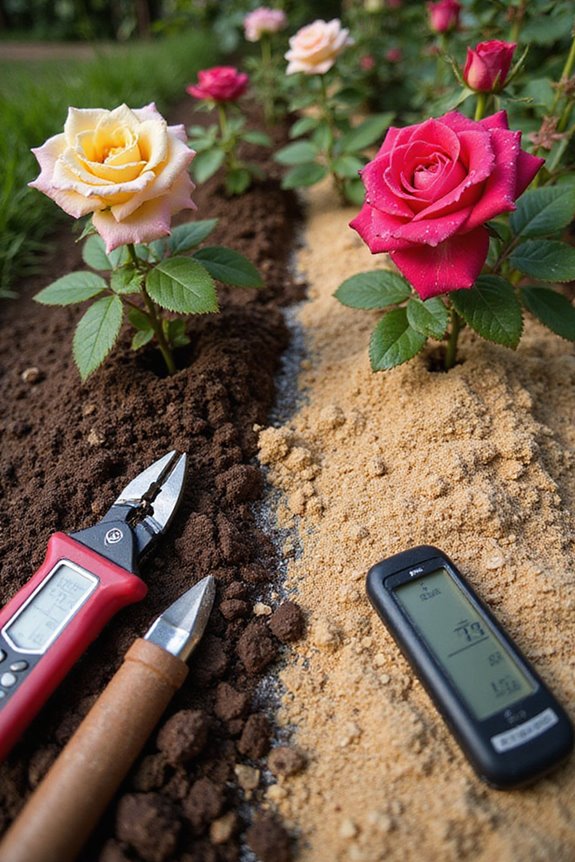
Understanding how perlite and sand influence water retention and moisture handling can greatly elevate our gardening game! Perlite shines with its porous structure, holding moisture while providing excellent drainage—perfect for our beloved orchids and succulents. It keeps roots happy without drowning them! On the other hand, sand, particularly coarse horticultural sand, excels in rapid drainage but retains less water, ideal for cacti and plants from arid regions. While using sand can lead to drier soil quickly, we must monitor moisture levels closely. With perlite, we enjoy a balanced moisture regulation that supports young plants and seed starting! Additionally, using specialized mixes can significantly improve drainage properties, making them a valuable choice for various plants. So, let’s embrace the unique qualities of both! Which one will we choose for our gardening success?
Recommended Products

Coarse Horticultural Perlite: 4 pack large-grade perlite designed for potting soil, seed starting, propagation, hydroponics, organic gardening, and specialty plant mixes
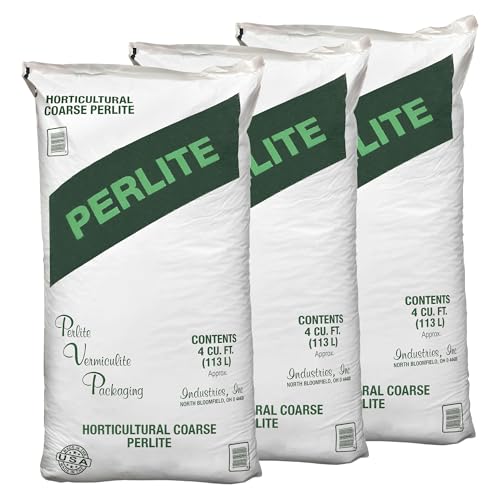
Promotes strong root development by enhancing aeration and drainage—essential for healthy plant growth in pots, gardens, and hydroponic systems

BETTER QUALITY SOIL: Improves soil quality or serves as a hydroponic soil substitute
Evaluating Weight and Soil Stability

As we dig deeper into our gardening adventures, evaluating weight and soil stability becomes essential for nurturing healthy plants! When we consider our mixing options, weight challenges may arise. Perlite is lightweight and fantastic for aeration, while sand, though heavier, provides excellent stability for those top-heavy plants. If we’re growing tall varieties, we might appreciate sand’s ability to firm up our soil and prevent uprooting. However, too much sand can compact, potentially restricting roots. So, let’s strike a balance—combining perlite and sand can optimize both drainage and support! For container gardens, go light with perlite! But for larger landscape beds, let’s embrace sand for that solid foundation. Additionally, a good blend should have balanced pH levels to ensure optimal nutrient uptake. Ready to create the perfect mix? Let’s do this!
Analyzing Cost and Availability

Let’s talk dollars and cents—analyzing cost and availability is key to any successful gardening project! When looking at price comparisons, perlite generally runs about $4 to $5 per cubic foot, which is quite affordable. However, sand can often be cheaper, depending on regional availability. You’ll find sand available almost everywhere, from local hardware stores to garden centers! Perlite might cost a bit more online, especially with shipping fees, so it’s essential to take that into account. Bulk purchases can save us money too, as perlite’s lightweight nature cuts transport costs. Additionally, considering the benefits of organic solutions can also help in determining which drainage material may best support your plants’ health. Ultimately, balancing these costs with gardening needs can lead us to the right choice—let’s dig into those options and create thriving spaces for our plants!
Recommended Products

Ready-to-Use for All Planting Needs: This general-purpose potting mix is ready to use out of the bag, making it perfect for both indoor and outdoor planting without any additional preparation

You will receive (6) 2-cubic foot bags per purchase.

One-of-a-kind statement piece
Determining Suitability for Different Plants and Growing Conditions
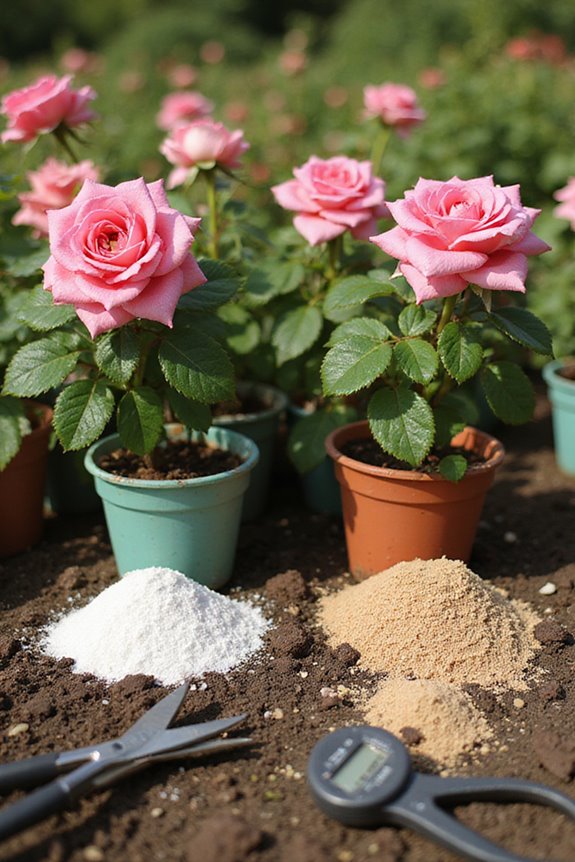
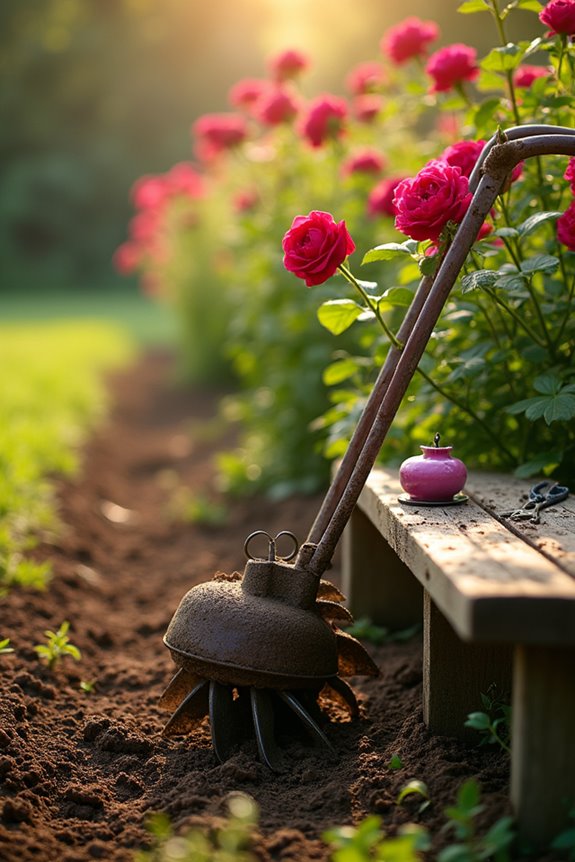
When we’re choosing the right components for our soil mixes, the suitability of perlite and sand for different plants and growing conditions plays a huge role in our gardening success! Perlite shines for plants like succulents and orchids that thrive in well-drained, aerated soils, especially those from drier regions—providing essential oxygen to roots. On the other hand, sand is perfect for cacti and carnivorous plants, offering stability and fast drainage in gritty environments. By considering plant characteristics and environmental adaptations, we can tailor our mixes to meet their unique needs. So, whether we want to boost aeration with perlite or firm the mix with sand, knowing what our plants love will lead to flourishing gardens! Additionally, utilizing tools like garden hand cultivators can enhance the cultivation process, ensuring effective soil aeration and productivity. Happy gardening!
Exploring Application Techniques and Considerations
Exploring the best application techniques for adding perlite or sand can truly transform our gardening experience! When we’re combining ingredients, it’s essential to blend them evenly with existing soil. This avoids dreaded layering that can block drainage. Typically, we should optimize ratios between 10% and 30%, depending on our plants’ needs. For container gardening, let’s mix perlite thoroughly throughout the potting mix for consistent aeration. Remember, we want coarse horticultural sand over fine sand to prevent that pesky compaction! It’s best to apply these amendments during soil preparation, so our plants’ roots access improved drainage right away. With these techniques, we’re setting the stage for flourishing gardens full of life and growth! Let’s dig in!
Recommended Products

IDEAL FOR HORTICULTURE - Our soil amendment is tailored to meet the needs of both gardening enthusiasts and professionals. Crafted with precision for modern gardening practices, it is an indispensable and versatile component for all your gardening ventures. Its remarkable capacity to improve soil aeration, maintain essential moisture and nutrients, and accelerate root growth makes this vermiculite for mushrooms the essential ingredient.

2 Pack, 4 cubic foot each bag

Bulk perlite for professional use: Each bag is 120 quarts or 4 cubic foot weighing 20 pounds.
Choosing Between Perlite and Sand for Container Gardening
Choosing the right amendment for our container gardens can be a game-changer, especially when deciding between perlite and sand! Perlite application is fantastic for plants needing that perfect balance of moisture and aeration, like succulents and orchids. Its lightweight nature makes potting a breeze, reducing strain and ensuring excellent drainage. Meanwhile, sand usage can help heavy soils drain faster, but keep in mind it may lead to compaction over time. Sand simply increases soil weight, which isn’t ideal for movable containers. If we want light, fluffy soil that promotes root health, perlite is our best friend! Let’s create thriving gardens by making the right choice for our beloved plants and ensuring they thrive in their containers!
Recommended Products

FEEDS UP TO 6 MONTHS: Miracle-Gro Potting Mix is a gardening soil for outdoor containers that feeds all types of potted plants, including flowers, vegetables, shrubs, annuals, and perennials for up to 6 months

Ready-to-Use Potting Soil: No mixing required! Michigan Peat General All-Purpose Premium Potting Soil is ready to use straight from the bag, saving you time and effort
Ready-to-Use Potting Soil: No mixing required! Michigan Peat General All-Purpose Premium Potting Soil is pre-blended and ready to use straight from the bag, making planting easy and convenient
Assessing Soil Performance for Specific Plant Types
Understanding how different plants perform in various soil types can really elevate our gardening game! Each plant has unique soil performance needs, impacting their adaptation to different environments. For instance, wet-tolerant species like bald cypress thrive in poorly drained soils, while shrubby delights like buttonbush prefer slightly soggier settings. On the flip side, plants sensitive to excess moisture can’t stand root suffocation, leading to fungal woes.
Frequently Asked Questions
Can I Mix Perlite and Sand Together?
Sure, we can mix perlite and sand together! Imagine a balanced blend, where perlite benefits lightweight aeration while sand’s characteristics offer robust stability—creating a nurturing environment for our beloved plants to thrive beautifully.
How Do I Know When to Repot With These Materials?
It’s evident it’s time to repot when plants become root-bound or growth slows. Remember those drainage tips, and consider repotting frequency to guarantee our plants flourish in well-aerated, properly draining soil for ideal health.
Are There Any Plants That Shouldn’T Use Perlite?
Yes, some plants shouldn’t use perlite due to their moisture preferences or fluoride sensitivity. Instead, we can explore perlite alternatives like vermiculite or compost, ensuring they thrive based on their specific plant preferences.
How Often Should I Replace Perlite or Sand in My Soil?
We should replace perlite or sand every 1-3 years, especially if drainage decreases. While perlite doesn’t decompose, sand’s drainage benefits can diminish over time, so regular monitoring’s important to maintain soil health.
Does Perlite or Sand Affect Soil Ph Levels?
Neither perlite nor sand considerably affects soil pH levels. They’re mainly for improving drainage and soil composition. We should focus on pH balancing with specific amendments if we want to adjust acidity or alkalinity.