As an Amazon Associate, we earn from qualifying purchases. Some links on this site are affiliate links at no extra cost to you. Our recommendations are based on thorough research and editorial judgment.

Should I Plant Graft Below Soil Line?

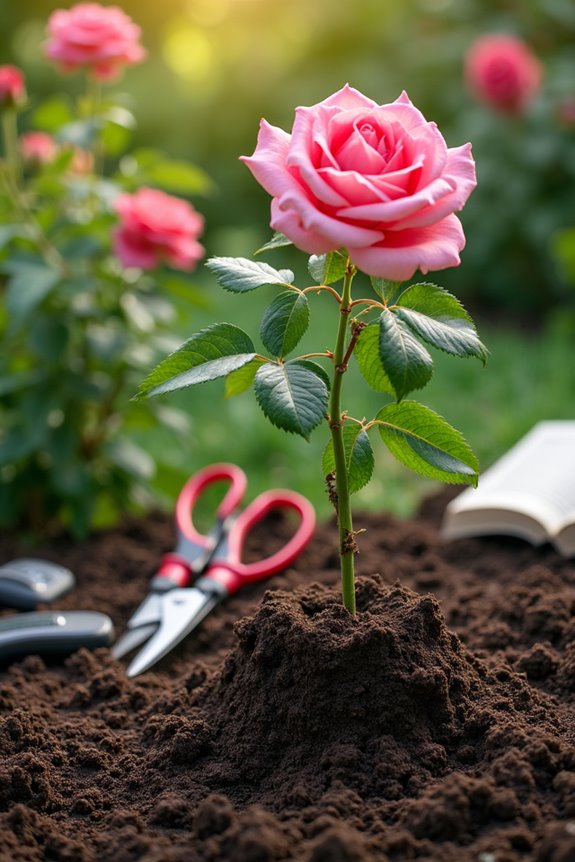
When planting grafted trees, we must consider the graft union’s position carefully! For peaches, it can be beneficial to plant the graft 1-2 inches below the soil line to improve cold hardiness and root development. However, for apples and plums, we should keep the graft above ground to prevent risks like root rot and disease. Always double-check your specific species’ needs, and we’ll guarantee a thriving tree. Excited for more expert tips? Let’s keep growing!
Key Takeaways
- For peach trees, planting the graft union 1-2 inches below the soil line enhances cold hardiness and root development.
- Apple trees generally require grafts above soil to prevent root rot, but some deeper plantings improve stability.
- Planting plums above the soil maximizes rootstock benefits and minimizes infection risks.
- Burying grafts can reduce root suckers and improve graft stability, but also increases infection risks from soil pathogens.
- Soil testing and well-drained conditions are essential for maintaining tree health and preventing mechanical damage to buried grafts.
Understanding Graft Union and Its Importance
You may be interested



When we think about planting grafted trees, one crucial aspect we can’t overlook is the graft union—the essential junction where the desired fruit variety, or scion, meets the sturdy rootstock. This delicate spot is critical for the health of our trees, and it should always be positioned correctly above the soil line! If we bury the graft union too deep, we risk severe issues like root rot and bacterial infections. Instead, we’ll want to keep it around 3 to 6 inches above ground for most apples, ensuring our trees thrive! Remember, a well-exposed graft union helps preserve the benefits of our rootstock, like disease resistance and size control. Additionally, understanding cultivation methods can further enhance the success of tree planting. Let’s plant with intention—our trees will thank us!
Species-Specific Planting Depths

Understanding species-specific planting depths is essential for our trees’ health and longevity. For instance, peach trees benefit when we plant the graft union 1 to 2 inches below the soil line, promoting their own root development, which enhances cold hardiness! In contrast, while apple trees generally require their grafts above soil, some deeper plantings can boost stability. With plum trees, we should be cautious; burying the graft can alleviate some compatibility issues, but it’s often best to plant it above soil to maintain rootstock benefits. Remember, root development and graft compatibility are important! Additionally, incorporating high-quality compost can further enrich the soil, promoting healthier growth and vitality for your trees. So, let’s give our trees the best chance to thrive by planting them at the right depth for their species. Happy planting!
Advantages of Planting Below Soil Line

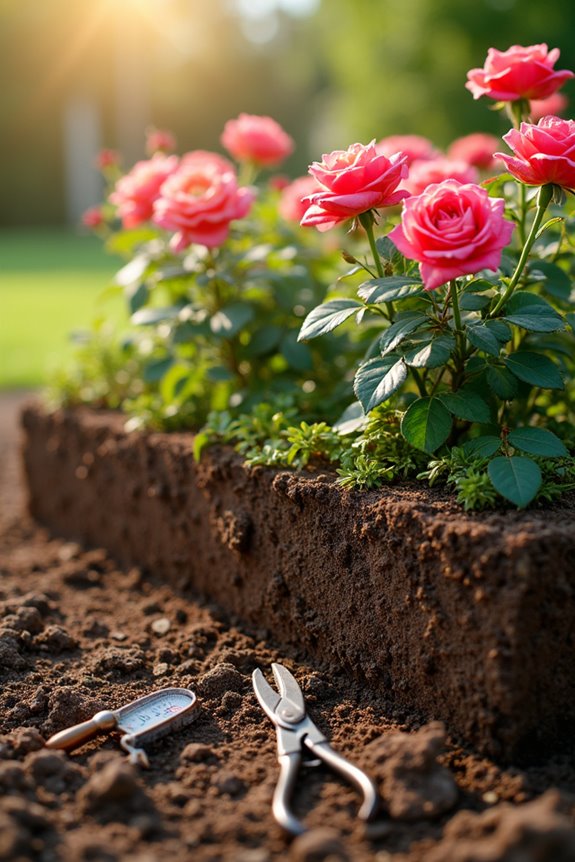
One of the fantastic perks of planting graft unions below the soil line is the boost in cold hardiness—it’s like giving our trees a cozy winter blanket! Burying the graft 1-2 inches deep can increase our plant’s ability to withstand colder climates, especially those tender peaches. This method not only enhances cold resilience but encourages the rootstock to develop its own roots, improving vigor and stability. Plus, fewer root suckers mean more energy for that juicy fruit we crave! With better graft stability and root protection, our plants face fewer risks from wind damage and temperature shifts. Additionally, regular soil testing can help enhance plant growth, ensuring that we provide the best conditions for our trees. So, let’s dig in those grafts, nurture our gardens, and watch our trees thrive like never before!
Recommended Products

100% Organic and Peat-Free: Our potting mix is 100% organic and peat-free—made from upcycled plant matter and wood fines from across the
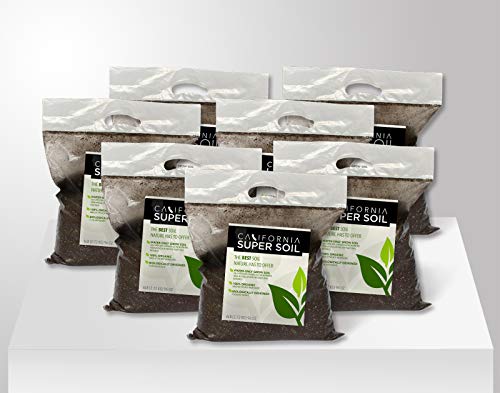
5% SOIL AND 95% NUTRIENTS: California Super Soil is a highly concentrated super soil designed specifically for vegetating and flowering plants. California Super Soil allows growers to achieve higher yeilds while also making the growing process cheaper and easier!

Feeds for up to 6 months
Risks and Disadvantages of Graft Burial

While grafting can seem like a foolproof way to enhance our plant’s vigor and fruit production, we shouldn’t overlook the potential pitfalls that come with burying grafts below the soil line. The infection risks from soil-borne pathogens can skyrocket if conditions aren’t sterile. If oxygen is scarce, graft integration might fail—no one wants a wilting disappointment! Plus, maintenance challenges arise as buried grafts become tricky to monitor. Soil pressure can lead to mechanical risks, causing damage we can’t easily spot! Let’s also consider those environmental impacts, as improper materials could leach harmful substances. To truly succeed, we need to weigh these factors carefully, ensuring our grafts get a thriving, healthy start! Essential tools can also play a significant role in supporting successful plant care, making the monitoring and maintenance of grafted plants easier. Happy gardening!
Climate Considerations for Planting
As we commence our gardening adventures, it’s vital to contemplate how climate impacts our grafting efforts! Temperature management is key, especially after grafting. For cucumbers, we aim for daytime temps of 25–28 °C and nighttime lows around 17–20 °C. Watermelons and melons thrive at similar levels, while tomatoes prefer slightly cooler nights.
In those first significant days, we must maintain high humidity—around 90–95%—to support graft healing. Let’s consider moist soil or pre-soaked substrates to give our plants the best chance! Post-grafting, keeping up with humidity control is essential; spraying lightly or using moisture-retentive films can work wonders. Together, let’s create a nurturing environment for our grafts to flourish! Additionally, employing liquid plant foods can further enhance plant vitality and growth during this critical phase of development. Happy gardening!
Rootstock and Scion Interactions
Understanding how our rootstocks and scions interact is absolutely thrilling for anyone passionate about grafting! The success of our grafts hinges on graft compatibility. We must guarantee alignment of the vascular cambium to form a strong connection. When we graft, metabolites like GABA communicate crucial information around the graft union, especially in homografts—those of the same genotype! Rootstock impacts scion health by regulating water and nutrient uptake, enhancing vigor and even influencing fruit quality. For best results, choose rootstocks that share a close taxonomic relationship with our scions. Pay attention to hormonal signals that guide wound healing. By mastering these dynamics, we can cultivate healthier, more productive plants and truly enjoy our gardening journey together!
Practical Observations From Growers
When we dig into the practical observations from growers, we find a treasure trove of insights that can help us refine our grafting techniques! Many growers share their experiences revealing that burying graft unions, especially in colder regions, can boost winter hardiness and tree vigor. Just consider stone fruits like peach and plum—they thrive when planted a couple of inches deep! However, we should be cautious; excessive burial can suffocate roots due to poor soil oxygen. Effective soil management is essential; we need firm, well-aerated soil. Tamping down soil and monitoring for girdling roots helps, too! Let’s celebrate our common love for gardening by experimenting with these insights to foster robust, fruitful trees in our gardens!
Frequently Asked Questions
How Can I Identify the Graft Union on My Tree?
To identify the graft union on our tree, we can use graft identification techniques like examining the bark for visual graft signs and checking the trunk for swelling. Often, it’s just above the soil line.
What Tools Do I Need for Planting Grafted Trees?
When planting grafted trees, we’ll need sharp grafting tools, proper binding supplies, and protective materials. Utilizing these tools guarantees successful planting techniques that support healthy root systems, giving our trees the best chance to thrive.
Can I Plant Grafted Trees in Containers?
Yes, we can absolutely plant grafted trees in containers! Grafted container benefits include mobility and soil considerations like drainage. With proper care, our trees thrive, creating beautiful spaces without the worry of damaging the graft union.
How Do I Care for Grafted Trees After Planting?
After planting, we should establish a consistent watering schedule and apply proper pruning techniques to encourage growth. Regularly check for pests and guarantee the graft union’s protection, promoting a healthy, thriving grafted tree.
When Is the Best Time to Plant Grafted Trees?
The best time to plant grafted trees is in mid to late spring, aligning with seasonal considerations. This guarantees ideal planting conditions, allowing time for graft healing while minimizing frost risk for stronger growth.