As an Amazon Associate, we earn from qualifying purchases. Some links on this site are affiliate links at no extra cost to you. Our recommendations are based on thorough research and editorial judgment.

Why Are Rose Buds Not Opening?

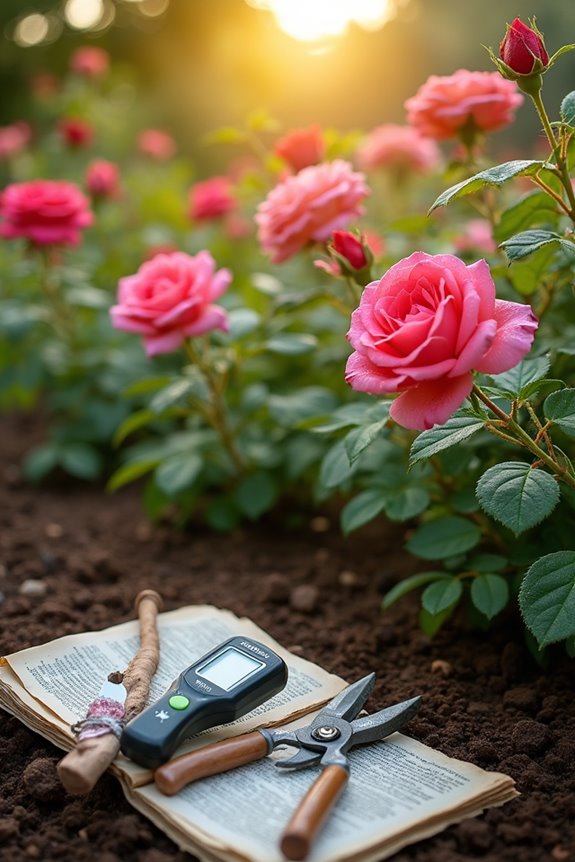
If our beautiful rose buds aren’t opening, it could be due to moisture retention, leading to rose balling! This often happens in double-flowered varieties where outer petals stick together. To tackle this, we should guarantee proper pruning for airflow and check our soil moisture levels. Also, keep tabs on light intensity and soil pH—aim for a range of 6.0 to 6.8. Let’s explore more ways to encourage those glorious blooms to burst open!
Key Takeaways
- Excess moisture retention can cause rose buds to fuse, preventing them from opening, a condition known as rose balling.
- Insufficient sunlight may hinder photosynthesis, leading to rose buds not fully blossoming.
- Double-flowered varieties and hybrid tea roses are more prone to issues with bud opening.
- Overcrowded rose bushes can restrict airflow, contributing to bud balling and closed blooms.
- Nutrient deficiencies, particularly low potassium, can weaken petal development, impacting bud opening.
Understanding Rose Balling
You may be interested



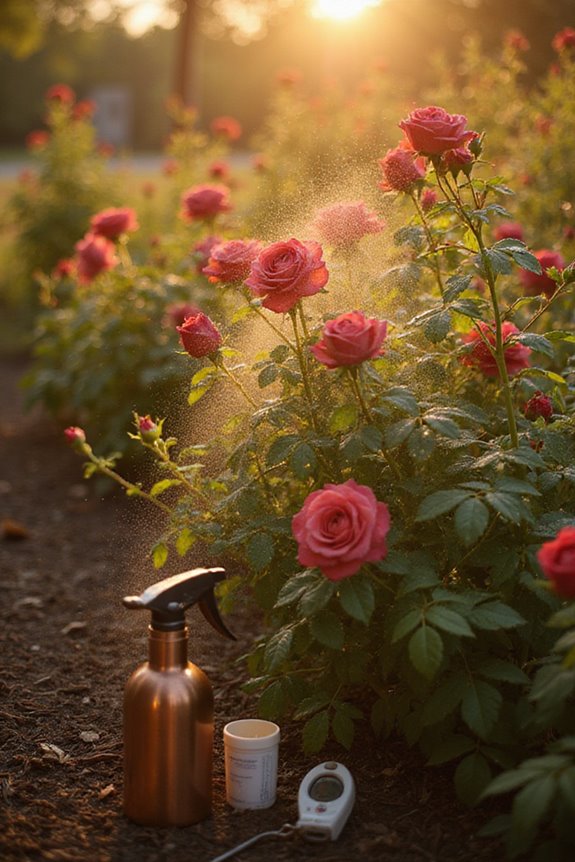
When we’re nurturing our beautiful roses, it’s essential to understand the phenomenon known as rose balling, especially since it can dampen our gardening spirits! Rose balling happens when the petals of a bud fuse together due to excess moisture retention. Imagine those lovely, tightly cupped blooms we adore—when the outer petals become saturated with rain or morning dew, they can stick together like a charming little bouquet! If conditions alternate between wet and sunny, petals can dry unevenly, locking them in a frustrating embrace. It’s especially common in double-flowered varieties. To combat this, we can prune wisely for better airflow and choose less susceptible rose varieties. Additionally, using a soil meter can help us monitor moisture levels more effectively, ensuring our roses receive just the right amount of water. With a little effort, our blooming beauties can brighten our gardens beautifully!
Environmental Conditions Impacting Bud Opening

Additionally, light intensity markedly affects our roses! Ensuring they get adequate sunlight enhances photosynthesis, leading to better sugar metabolism—vital for petal growth. If your roses are shaded, they might struggle to open fully! Let’s nurture the perfect environment for those glorious blooms to emerge, transforming our gardens into a vibrant paradise! Additionally, regular assessment of pH levels is crucial, with ideal ranges for roses between 6.0 and 6.8 to ensure optimal growth.
Recommended Products

✅ A garden centerpiece - our arbor creates a stylish backdrop or entrance way to yards or special outdoor areas. Its Lattice design adds details and helps you shape the path for plants things grow.

【High Power Double Chips Design】The high power grow lamp designed with 120pcs super bright double chips LEDs, 90/120 degree mixed LED angle, higher PAR/ output per watt than others, better for hydroponics greenhouse aquatic indoor plants growing

Approximate size: 24" Wide x 20" High, 3.87 lbs. chain included, there is protective oil on the panel, it can easily volatilize in a few days, you also can clean it with towel.
Rose Varieties Susceptible to Bud Balling

Roses are truly a gardener’s joy, but some varieties can be a bit challenging when it comes to bud balling! Double flowered roses, with their luxurious layers of petals, are often the culprits. Take Rosa “Montezuma,” for example; its large, packed buds really shine when they bloom, but they’re highly susceptible to balling. Hybrid tea susceptibility also comes into play, as these beauties tend to have full buds that can trap moisture. To prevent bud balling, we should guarantee proper pruning and airflow—don’t let dense foliage crowd them! Keeping an eye on moisture levels, especially during humid seasons, is essential. Additionally, healthy soil plays a crucial role in ensuring that roses receive optimal nutrients to flourish, which can help mitigate issues like bud balling. With a little care and attention, our roses can flourish to their full potential!
Identifying Signs and Symptoms of Bud Balling

How can we identify the signs and symptoms of bud balling before it’s too late? First, let’s look at bud appearance! Initially, buds swell beautifully but, when petal adhesion occurs, they refuse to open, forming tight, clumped balls. Keep an eye out for the outer petals drying into a papery or mushy texture and perhaps even a slimy coating. If we notice these signs, our roses could be in trouble! Look for premature withering or buds dropping unexpectedly. And don’t forget, if grey mold appears, we’re dealing with a more serious issue! According to experts, early inspections of roses can help catch these symptoms quickly. Let’s stay vigilant! By catching these symptoms early, we can give our beloved roses the attention they deserve to flourish! Happy gardening!
Preventative Measures to Encourage Bud Opening
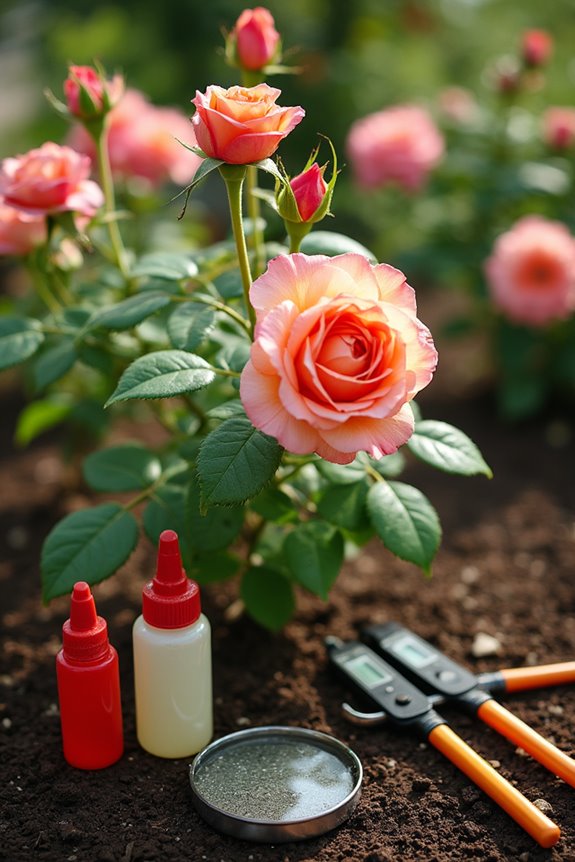
Experiencing bud balling is certainly disheartening, but taking proactive steps can make all the difference! First, let’s explore effective pruning techniques. We should aim for that lovely open, wine-goblet shape, allowing air circulation and sunlight to nourish those budding blooms! Remember, maintaining adequate spacing between our rose bushes is key, too!
Next, let’s talk fertilizer choices! We must avoid over-fertilizing with high-nitrogen options; instead, let’s opt for high-potassium fertilizers like potash to strengthen those petals. Incorporating organic options, such as well-rotted manure or compost, will send our roses into a robust growth phase! Additionally, using natural soil amendments like Charlies Compost can enhance soil structure and promote healthier plant growth.
With these methods, we’ll be encouraging our roses to flourish beautifully, with buds transforming into stunning blooms! Happy gardening!
Remedial Actions for Non-Opening Buds
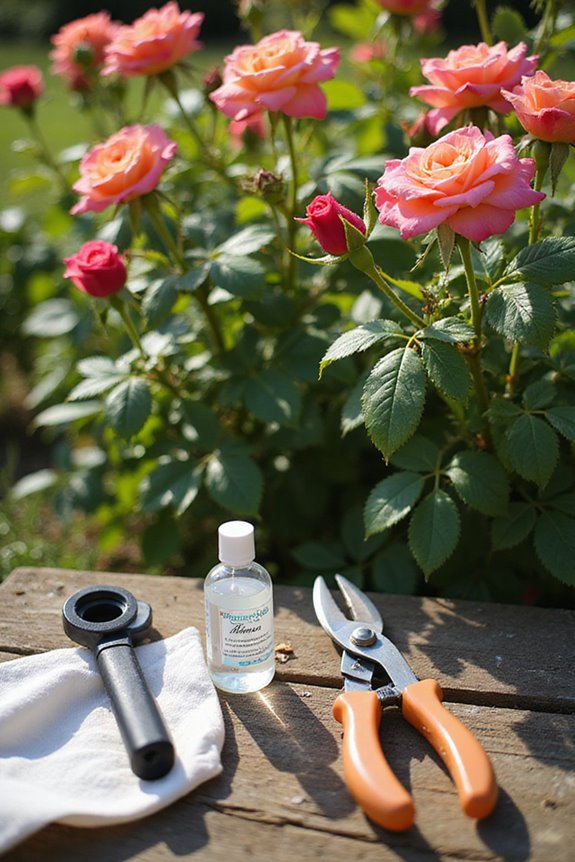
When we spot non-opening buds in our garden, it’s essential to jump into action without delay! First, let’s gently perform some petal removal. By carefully peeling off the dried outer petals, we can allow the inner parts to shine and unfurl beautifully. Regular inspections during changing weather help us catch these stubborn buds early. Next, creating better air circulation is key! Prune crowded plants to promote airflow, reducing humidity that invites pesky fungal diseases. Finally, guarantee our roses have adequate spacing—this allows moisture to evaporate, preventing those pesky mummified petals. With these simple yet effective actions, we can revive our roses and enjoy their stunning blooms all season long! Let’s get to work and nurture our floral gems!
Recommended Products

Great garden shears for serious gardeners. This is a heavy, high quality pruning shear you’ll be proud to own or gift. These garden pruners are a classic design and feel expensive. Every gardener needs this pruner, but most gardeners don’t have one.

HARDENED STAINLESS STEEL BLADES: Designed with straight sharp blades for precision snips and cuts, these gardening scissors are great for pruning fruit trees, bonsai, and thorny bushes. Pruning shears are durable, sharp, and come with an easy safety lock for storage.

The Role of Fungal Diseases in Bud Development
Fungal diseases can be sneaky little troublemakers in our gardens, often impacting the development of rose buds and preventing them from opening. Two major culprits are Botrytis cinerea and Podosphaera pannosa—both aggressive fungal pathogens. Botrytis thrives in moist conditions, resulting in fuzzy gray mold that smothers buds, while powdery mildew presents a white powdery charm that hinders proper bud physiology.
Infected buds might droop or stay tightly closed, robbing us of vibrant blooms! To minimize these issues, we should guarantee good air circulation, avoid overly wet conditions, and inspect regularly for any symptoms. Let’s stay on top of potential infections with targeted fungicides and maintain healthy plants, making sure our roses can showcase their beauty all season long! Happy gardening!
Improving Overall Rose Health for Better Blooms
To guarantee our rose bushes are bursting with beautiful blooms, we must focus on improving their overall health! Healthy roses start with the right soil amendments. Incorporating organic matter like compost not only enhances soil structure but also boosts moisture retention and nutrient availability. Let’s pay attention to nutrient management—using balanced, rose-specific fertilizers helps avoid the pitfalls of over-fertilization while ensuring our plants receive essential nitrogen, phosphorus, and potassium. Plus, keeping the soil pH between 6.0 and 6.5 is crucial for ideal nutrient absorption. Remember, regular watering practices, ensuring consistent moisture, and deep watering weekly will strengthen our roses’ root systems. With these strategies, we’ll watch our buds flourish into breathtaking blooms! Let’s get gardening!
Frequently Asked Questions
Can Rose Buds Open After Being Waterlogged?
Absolutely, rose buds can open after waterlogged conditions. We just need to guarantee peak bud health by improving drainage and providing ample sunlight. With the right care, we might witness their stunning bloom again!
How Long Can Rose Buds Stay Closed Before Dying?
Rose buds can stay closed for about one to two weeks before dying, as bud dormancy sets in and the lifespan shortens. We must act quickly to manage their health during this critical period.
Do Fertilizers Affect Rose Bud Opening?
Yes, fertilizers notably affect rose bud opening. By ensuring nutrient balance, especially phosphorus and potassium, we can promote bud health. Too much nitrogen, however, can hinder flower formation, so careful management is essential for vibrant blooms.
What Role Do Pollinators Play in Rose Bud Development?
Have you ever watched a rose garden waiting for blooms? Pollinators, through their pollination magic and unique insect behavior, enable pollen transfer essential for bud development. Without them, roses struggle to flourish, leaving us yearning for blooms.
Can Pruning Affect Future Bud Opening?
Yes, our pruning techniques markedly influence future bud development. By properly cutting back roses, we enhance airflow and remove dead wood, promoting healthier buds that’re more likely to open beautifully in their blooming season.