As an Amazon Associate, we earn from qualifying purchases. Some links on this site are affiliate links at no extra cost to you. Our recommendations are based on thorough research and editorial judgment.


Which Companion Plants Help Roses Naturally?

Companion plants are essential for helping our roses thrive naturally! Aromatic herbs like lavender and rosemary deter pesky aphids and mosquitoes while attracting beneficial insects. Vibrant marigolds emit enticing aromas that repel unwanted visitors, acting as living mulch. Let’s not forget about edible delights like basil, which draws in pollinators to elevate our garden’s beauty! Together, these companions enhance soil health and create a balanced, attractive environment for our roses. Excited to explore more options?
Key Takeaways
- Lavender repels pests like aphids and mosquitoes while attracting beneficial insects to support rose health.
- Marigolds deter rabbits and whiteflies, serving as effective living mulch around roses.
- Culinary herbs such as basil and chives enhance flavor and repel harmful pests while attracting pollinators.
- Planting creeping thyme or lady’s mantle provides living mulch that suppresses weeds and enriches soil health.
- Grouping compatible plants improves airflow and reduces competition, promoting a thriving rose garden ecosystem.
Aromatic Pest-Deterring Plants
You may be interested


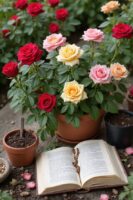
When it comes to creating a thriving rose garden, including aromatic pest-deterring plants is a game changer! Let’s embrace scented herbs like lavender and rosemary, whose essential oils keep pesky pests at bay. Lavender not only repels aphids and mosquitoes but also lures in beneficial insects—talk about a win-win! Marigolds, with their vibrant colors, emit aromas that deter rabbits and whiteflies, while also serving as a living mulch. Then there’s catmint, whose lovely foliage whispers “stay away” to aphids. With hardy geraniums, we can add a colorful ground cover that enhances airflow and blocks out fungal diseases! Additionally, incorporating plants that provide systemic disease protection can significantly bolster the resilience of our roses. By thoughtfully combining these fragrant companions, we can elevate our roses’ pest resistance and overall health—let’s dig in and watch our gardens flourish!
Recommended Products

SOOTHING & HERBACEOUS- Clary Sage essential oil, distilled from the fragrant flowering tops of the Salvia sclarea plant, offers a soothing and herbaceous aroma with subtle floral notes. Renowned for its calming properties and hormone-balancing potential, this oil is a versatile addition to your aromatherapy toolkit, helping you find balance and tranquility in your daily life.

Live Rosemary Herb Plant – Fragrant, evergreen culinary herb with needle-like leaves and a woody scent, perfect for cooking and decorative gardening

Live Own Root Plant: Heirloom Floribunda Rose Veranda Lavender is a live own root plant ensuring that the root, stems & flowers are all from the same variety and will produce more blooms
Pollinator-Attracting Plants

As we immerse ourselves in the vibrant world of pollinator-attracting plants, it’s clear that creating a haven for these essential creatures can transform our rose gardens into flourishing ecosystems! By selecting pollinator friendly roses, like single-petal varieties, we can provide easy access for bees and butterflies. Let’s mix in nectar rich perennials, such as *Salvia nemorosa* and *Digitalis x mertonensis*, for added allure. They not only offer ample nectar but also come in diverse colors, attracting various pollinators! Grouping these plants in sunny spots will help our buzzing friends find their way. Remember, a colorful array not only beautifies our gardens but fosters biodiversity and a thriving environment for all. Additionally, encouraging natural pest management techniques can further support a healthy balance in our garden ecosystem. Together, we can make our gardens a pollinator paradise!
Recommended Products
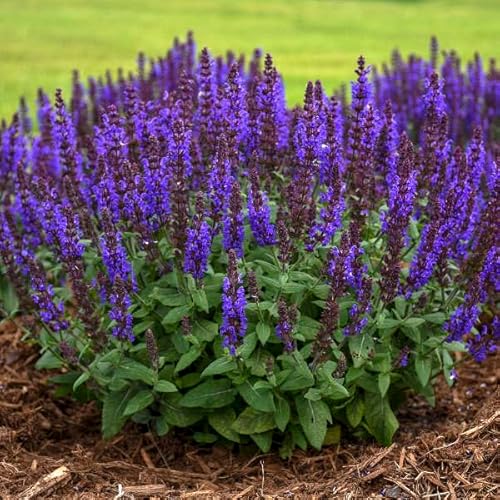
Perfect for Cut Flowers: The sturdy, upright flower spikes of this salvia make it an excellent choice for fresh-cut floral arrangements. Bring the vibrant blue blooms indoors to enjoy their beauty and charm.

VERSATILE PERENNIAL WITH BEAUTIFUL MAUVE BLOOMS: Our Sage seeds for planting is a hardy perennial that thrives year after year, producing stunning mauve flower spikes that stands 18-30 inches in height that blooms during summer. Its vibrant blooms attract pollinators like bees, butterflies, and birds, adding both color and life to your outdoor herb garden.

Hardy in USDA zones 4-9. Due to varying agricultural regulations, we do not ship to the following states: AK, AZ, CA, CO, ID, MT, NV, OR, UT, WA and HI.
Ground Cover and Soil Health Enhancers
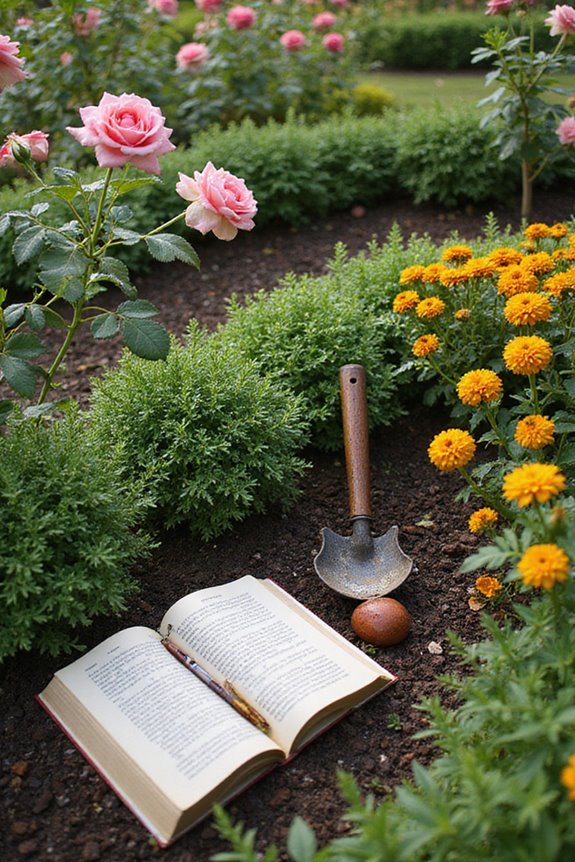
Creating a vibrant rose garden involves not just choosing the right blooms but also nurturing the soil they thrive in. Ground cover plants are our secret weapon for boosting soil health and enhancing the beauty around our roses! Take creeping thyme or lady’s mantle; they act as living mulch, suppressing weeds while conserving moisture and stabilizing temperatures. We can also choose hardy geraniums, which improve air circulation and repel pesky pests. For year-round stability, evergreen ground covers like Artemisia stelleriana provide structure and enrich soil through leaf litter. Let’s not forget drought-tolerant options like lamb’s ear—perfect for keeping competition at bay! Together, these plants not only protect but enrich our rose garden’s soil—what a win-win! Using proper gloves during gardening tasks helps ensure injury-free gardening, enhancing our overall experience with thorn protection gloves.
Recommended Products

CAN NOT SHIP TO CALIFORNIA “Free from soil” as used in this regulation shall mean free from soil in amounts that could contain concealed Japanese beetle larvae or pupae
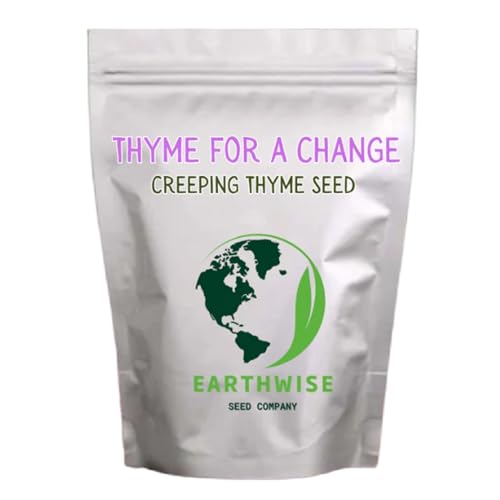
THYME FOR A CHANGE CREEPING THYME SEEDS: Dense, low-growing groundcover that creates a soft, carpet-like alternative lawn. Produces small pink blossoms and fragrant foliage for walkways, borders, and front-yard replacements.

Thyme Seeds - Winter - Thyme seeds for planting - 4 Oz ~376,000+ Seeds - Thymus vulgaris
Visual and Structural Complements

To elevate the beauty of our rose gardens, pairing them with visually stunning and structurally sound companion plants is essential! We can create incredible color contrasts by introducing blue and purple flowers like delphiniums or salvias alongside our roses. Just imagine those vibrant yellows popping against soft blues! For height layering, taller plants such as woodland sage or ornamental onions provide striking vertical accents that frame our roses beautifully. Let’s not forget about ornamental grasses—these introduce dynamic movement and texture. Additionally, lower-growing plants like catmint add depth, enriching our garden design. Together, these companions not only enhance aesthetics but also maintain a gorgeous, harmonious balance, making our rose gardens truly unforgettable! Regular fertilization is crucial for consistent nutrient access and overall plant health. Happy planting!
Recommended Products

BULK 5 POUNDS (5x ONE POUND BAGS) contains over 600,000 fresh seeds, 100% Pure Live Seeds - Enough to cover over 8,000 square feet.

【Package & Size】Set of 5, including 1*large corner flower + 1*small tieback flower + 3*arch drapery + 6*zip tie + 1 fastener strap (not include wood stand). Extra large corner swag: 47.2 x 31.5 in; Tieback flower: 25.6 x 11 in long; Each panel arch drapery: 2.5ft wide x 33ft long.

Package: A 15" Blush Pink Wedding Bouquets for Bride with 2 ribbons wrapped on a card. Easy to add your bouquet ribbon warp style.
Seasonal Extension Plants

When we add seasonal extension plants to our rose gardens, not only do we enhance beauty, but we also create a masterpiece of continuous color and interest! Early bloomers like crocus and grape hyacinths jumpstart the season, filling visual gaps as roses wake from dormancy. These vibrant flowers attract beneficial pollinators, getting the ecosystem buzzing! Later, we can incorporate late bloomers such as Russian sage and anise hyssop, which keep the charm alive well into fall. With their striking hues and textures, these plants nourish pollinators when roses fade, ensuring our gardens remain lively. Additionally, organic soil nutrients can improve overall plant health, supporting both roses and their companions throughout the growing season. Let’s embrace these companions to not just support our roses, but also to create an enchanting tapestry of blooms throughout the seasons!
Disease Prevention and Pest Management
Maintaining a healthy rose garden is about more than just beautiful blooms—it’s also about keeping pests and diseases at bay! By utilizing companion planting techniques, we can protect our roses naturally. Aromatic plants like garlic and lavender not only repel pesky aphids but also attract beneficial pollinators. Plus, planting disease-resistant varieties alongside alliums can bolster soil health, lowering the risk of issues like black spot. We should guarantee good air circulation by avoiding overcrowding; this minimizes fungal diseases. Let’s celebrate the power of marigolds, which can control harmful nematodes! Embracing these techniques cultivates a thriving ecosystem in our gardens, reducing pests and enhancing our roses’ vibrant beauty. Happy gardening, everyone! 🌹
Recommended Products

REFINED & FLORAL- Lavender- French essential oil, crafted from the most exquisite lavender plants cultivated in the picturesque fields of France. This premium oil boasts a refined, floral scent, renowned for its calming properties and versatility in aromatherapy, beauty, and wellness routines, bringing the essence of France to your daily life.

100% Pure, Non-GMO Seeds – No fillers, just the real deal! This variety of Dahlia should be planted deep enough to cover with 2" of soil and 12-18" apart during spring with expected maturity in 90 days.

These pre-moistened eye masks are made with Botanical Hyaluronic Acid, KB5 Complex (Arnica, Gotu Kola, Lavender, Calendula, Chamomile), Plant Stem Cells, Silk Amino Acids and Cold Processed Avocado Oil to refresh tired eyes while offering the ultimate “at-home spa” treatment for the eye area.
Edible Companion Plants
Edible companion plants, bursting with flavor and functionality, can truly elevate our rose gardens! Incorporating culinary herbs like sage, chives, and basil not only enhances our dishes but also uplifts our roses. Sage’s aromatic leaves repel pests, while chives help fend off aphids. Basil attracts pollinators—what a garden bonus!
We can also add vibrant edible flowers like nasturtiums and marigolds, which not only beautify our space but also serve as natural pest deterrents. Calendula’s cheerful petals attract beneficial insects, creating a thriving ecosystem.
Native Plants and Their Benefits
There’s something truly magical about incorporating native plants into our rose gardens! By adding native nitrogen fixers like Texas redbud or Anacacho orchid, we’re enriching our soil and giving our roses a natural boost. These remarkable plants not only improve beneficial soil health but also aerate the ground, enhancing water access for our beloved blooms. Plus, they support local pollinators like bees, increasing our roses’ pollination rates—how wonderful is that? For a beautiful groundcover, consider creeping thyme, which helps retain moisture and suppresses pesky weeds. Let’s embrace these eco-friendly companions to create vibrant, resilient gardens while reducing the need for synthetic fertilizers. Together, we can cultivate a flourishing environment for both roses and nature!
Tips for Planting Companion Species
When we’re planning to plant companion species alongside our roses, it’s vital to contemplate several factors that can elevate our gardening success! First, let’s choose a sunny spot—at least six hours of sunlight daily is essential for happy, healthy plants. Soil preparation is key too: mix in organic matter to boost nutrients and structure. Next, think about plant spacing! Avoid overcrowding to guarantee proper airflow. Now, consider companions like lavender or marigolds, which repel pests naturally. Also, opt for low-growing plants at the base of our roses for moisture retention and to avoid competition. With these thoughtful choices, we’ll create a vibrant, thriving garden ecosystem that supports our beloved roses! Happy gardening, friends!
Frequently Asked Questions
How Do Companion Plants Influence the Growth of Roses?
Did you know that companion plants can boost rose growth by up to 30%? They enhance soil health while providing natural pest control, creating a thriving environment that supports our lovely roses and keeps them flourishing beautifully.
Can Companion Plants Improve Rose Fragrance?
Yes, companion plants can definitely enhance rose aromas. By attracting pollinators and repelling pests, they support healthy growth, leading to vibrant blooms that elevate scent enhancement in our gardens, creating a more fragrant experience.
What Is the Best Planting Distance for Companion Plants Near Roses?
Let’s prioritize proper plant spacing! We need to keep companion plants 12 to 18 inches away from roses to promote rose health, ensuring space for growth, airflow, and minimizing competition, creating a flourishing garden for all!
Do Companion Plants Affect Rose Flowering Duration?
Yes, companion plants definitely affect rose flowering duration. They help fill in flowering cycles and create seasonal effects, ensuring vibrant blooms persist longer. Together, we can enjoy a more continuously colorful garden throughout the growing season.
Can I Use Companion Plants in Containers With Roses?
In our container garden, we’ve found that beneficial herbs and compact plants thrive alongside roses, creating a vibrant ecosystem. By carefully selecting companions, we maximize space and enrich our blooms, making the experience truly rewarding.