As an Amazon Associate, we earn from qualifying purchases. Some links on this site are affiliate links at no extra cost to you. Our recommendations are based on thorough research and editorial judgment.

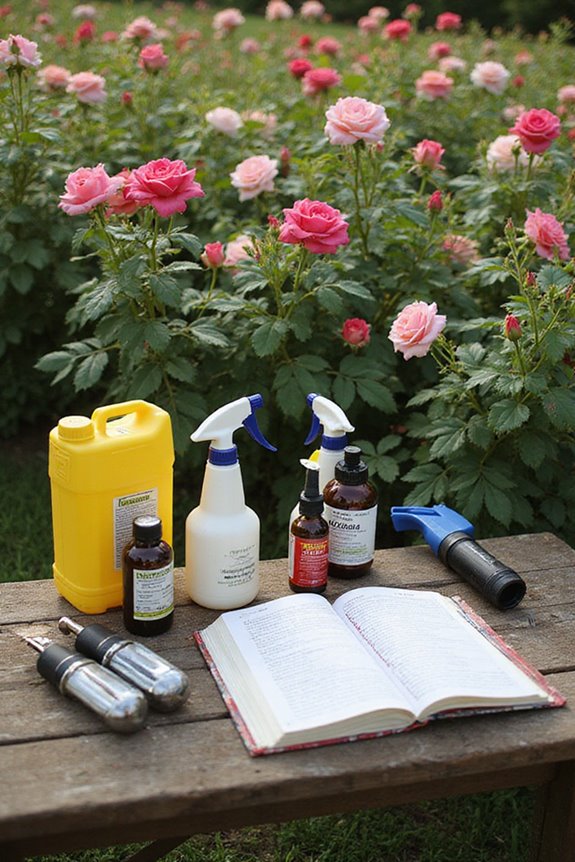
How To Track And Rotate Sprays To Avoid Resistance?

To track and rotate sprays and avoid resistance, we can focus on pesticide modes of action and crop rotation! Let’s switch up our products regularly, using those from different groups. We should scout our gardens routinely, as this helps us monitor pest populations and their responses. Combining high-risk and low-risk sprays keeps them guessing! Plus, maintaining unsprayed areas encourages natural pest enemies. Excitingly, as we explore more techniques, our gardens will flourish even more beautifully!
Key Takeaways
- Maintain detailed records of pesticide applications, including product names, MoA groups, and application dates to track rotations effectively.
- Implement a rotation schedule using fungicides and insecticides from different MoA groups to reduce resistance development.
- Combine high-risk and low-risk pesticide products during applications to maximize efficacy and minimize resistance potential.
- Regularly scout for pests and track population levels to inform timing and choice of treatments based on resistance trends.
- Use molecular diagnostics and bioassays to monitor resistance mechanisms and adjust spray strategies accordingly.
Understanding Pesticide Modes of Action
You may be interested



Understanding the fascinating world of pesticide modes of action (MoA) is essential for anyone passionate about gardening! By mastering mode classification, we can choose the right products to effectively target pesky pests, diseases, or stubborn weeds. This knowledge helps us optimize application timing, ensuring our plants thrive while minimizing impact on beneficial insects and the environment. Different MoA groups, like nerve poisons and systemic insecticides, play unique roles in our gardens. Heavy-duty pest control can be an effective strategy in this context, as applying a range of MoAs reduces the risk of pests developing resistance to chemicals, keeping our plants healthy and vibrant! So let’s embrace this exciting journey—it’s all about growing greener gardens while defending our plants with smart strategies that work! Happy gardening!
The Importance of Crop and Chemical Rotation

When we embrace crop and chemical rotation in our gardens, we unseal a treasure trove of benefits that can radically transform our growing practices! By implementing beneficial rotations, we enhance soil health while fostering greater crop diversity. Imagine a garden where legumes, like peas or beans, fix nitrogen in the soil, reducing our need for synthetic fertilizers. This not only makes our plants happier but also minimizes environmental impacts. Rotating crops disrupts pest cycles, lowering our pest pressure and the need for frequent chemicals. Plus, how about the economic perks? With improved yield stability, we’re setting ourselves up for better returns! Let’s harness the power of rotation, creating flourishing gardens while promoting sustainability and resilience! Additionally, employing practices like soil health improvements can further enhance productivity and minimize dependency on chemical amendments.
Effective Strategies for Fungicide Rotation

To guarantee our gardens thrive while effectively battling disease, we need to embrace the power of fungicide rotation! By selecting fungicides from different FRAC groups, we’ll reduce resistance pressure, ensuring better fungicide efficacy. Let’s aim for two to three distinct products in our rotation schedule – it keeps things simple yet effective! Remember, it’s essential to watch application timing; treat our crops based on their growth stages and current disease pressure for best results. Mixing high-risk fungicides with low-risk protectants can work wonders, too! Just be sure they don’t share FRAC codes. And don’t forget: rotating pre-mix products broadens our arsenal while minimizing resistance risks. Investing in high-quality tools enhances our gardening experience, making it easier to keep our plants healthy and our gardens flourishing!
Monitoring Resistance Mechanisms in Pest Populations

Monitoring resistance mechanisms in pest populations is like being the detective of our gardens! By employing resistance detection strategies, we can reveal vital insights into how pests interact with our treatments. We should start with baseline susceptibility checks, as this lays the groundwork for tracking shifts over time. Using bioassays, we can determine resistance levels by measuring mortality rates, while molecular diagnostics can reveal the genetic culprits behind resistance. Don’t forget to scout regularly; watch those pest population densities closely! By incorporating population genetics into our monitoring, we can stay ahead of resistance trends. Moreover, understanding rotation of pest control products is crucial to prevent resistance buildup. With enthusiasm, we can tackle these challenges, ensuring resilient gardens that flourish with health and harmony. Let’s outsmart those pesky pests together!
Implementing Practical Resistance Management Techniques

Implementing practical resistance management techniques is essential for keeping our gardens thriving and pest-resistant! Let’s minimize our pesticide use by scouting for pests and maintaining detailed records to optimize our applications. By utilizing nonchemical controls like crop rotation and pest exclusion with barriers, we can markedly reduce our reliance on pesticides.
We should also rotate our pesticide mixtures, using products with different modes of action to prevent resistance buildup. Mixing those powerful pesticides can target both resistant and susceptible pests, adding strength to our strategy. Additionally, incorporating Application Timing can enhance the effectiveness of our chosen solutions.
And don’t forget to keep unsprayed refuges to preserve natural enemies. Together, these savvy tactics empower us to cultivate more resilient gardens that are bursting with life! Let’s embrace these methods and watch our hard work flourish!
Frequently Asked Questions
How Do I Identify Different Pesticide Modes of Action?
To identify different pesticide modes of action, we should review pesticide classification systems and understand the action mechanisms. Checking product labels, consulting guides, and using classification charts can help us make informed choices.
What Are Specific Examples of Nonchemical Pest Control Methods?
We can effectively manage pests using biological control methods, like ladybugs, and by using mechanical traps, such as sticky traps or pheromone traps. These approaches minimize chemical use while maintaining healthy crops and ecosystems.
How Often Should I Scout for Pest Populations?
Let’s say we’re monitoring a cornfield in mid-summer; we’d scout weekly for pest populations, intensifying to daily scouting if we notice any signs of economic threshold pests, ensuring effective management through timely interventions.
What Resources Are Available for Resistance Monitoring?
We can utilize resistance databases and monitoring tools to effectively track resistance levels. By leveraging these resources, we’ll guarantee timely interventions and maintain effective pest management strategies, which is vital for sustainability in our practices.
Can Weather Conditions Affect Pesticide Efficacy and Resistance?
Yes, weather conditions can greatly impact pesticide efficacy, causing variability in performance. Changes in temperature and rainfall can lead to reduced effectiveness and accelerate resistance, affecting our overall pest management strategies. We’ve got to stay vigilant!