As an Amazon Associate, we earn from qualifying purchases. Some links on this site are affiliate links at no extra cost to you. Our recommendations are based on thorough research and editorial judgment.


Can Beneficial Insects Help Roses?

Absolutely, we can harness the power of beneficial insects to keep our roses thriving! Ladybugs and parasitic wasps naturally combat pesky aphids and beetles, giving our blooms a fighting chance. By planting nectar-rich flowers, like angelica, we’ll attract these helpful allies. Plus, using gentle options like neem oil guarantees healthy roses without harsh chemicals! Keeping our garden clean and diverse boosts the presence of these insects. Let’s explore how we can attract even more garden helpers!
Key Takeaways
- Beneficial insects like ladybugs and parasitic wasps effectively control common rose pests, promoting healthier plants.
- They provide a chemical-free pest management solution, ensuring roses remain free from harsh chemicals.
- Attracting beneficial insects enhances ecological balance, creating a thriving garden environment.
- Regular monitoring and diverse plantings support a robust ecosystem, improving pest control naturally.
- Utilizing biopesticides like neem oil protects roses while preserving the beneficial insect populations.
Understanding Beneficial Insects for Pest Control
You may be interested



When it comes to keeping our roses thriving, understanding the role of beneficial insects for pest control is crucial, and we couldn’t be more excited about it! These little champions—like ladybugs and parasitic wasps—are nature’s own pest control agents. Their insect behavior helps us combat pests without resorting to harsh chemicals. This not only guarantees our roses look stunning, but it also boosts pest resilience in the garden! By inviting these beneficial friends into our rose beds, we promote a balanced ecosystem. It’s easy! Planting nectar-rich flowers like angelica and minimizing pesticide use can enhance their presence. Together, we can create a flourishing environment where both our roses and their tiny protectors thrive! Additionally, incorporating organic alternatives such as neem oil can provide effective pest control while protecting beneficial insects. Let’s embrace nature’s team!
Common Rose Pests and Their Natural Predators

To keep our roses radiant and healthy, knowing the common pests that threaten them, along with their natural predators, is essential. First up, aphids! These tiny pests cluster on new growth, distorting leaves and blooms. Let’s celebrate their natural predators, like ladybugs and parasitic wasps, which help with pest identification and predator interaction. Then we have the notorious Japanese beetles, which skeletonize leaves; birds and predatory wasps love feasting on them! Additionally, minute pirate bugs delight in munching on thrips, while birds and predatory beetles tackle roseslug sawfly larvae. By encouraging these natural allies, we not only combat pests but promote a thriving ecosystem in our gardens! Additionally, incorporating regular garden monitoring allows for timely interventions against pests, ensuring your roses stay beautiful and healthy. Happy gardening! Together, we can cultivate beautiful rose plants!
Recommended Products
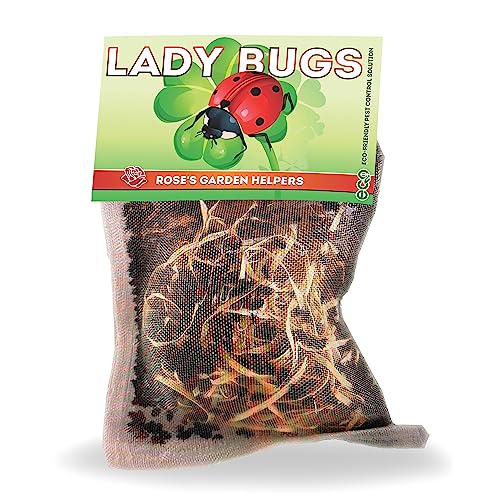
Natural Garden Balance – These beneficial insects help maintain the health of your plants by naturally managing garden challenges.

Includes a Ladybug educational sheet with Release Tips, Release Rates, Ladybug Fun Facts and FAQ's

Ladybugs are general predators that feed on a variety of slow-moving insects including Aphids, Moth eggs, Mites, Scales, Thrips, Leaf Hoppers, Mealybugs, Chinch Bugs, Asparagus Beetle larvae, Whitefly and others
Advantages of Implementing Beneficial Insects

Implementing beneficial insects in our gardens transforms our rose care into an exhilarating adventure! By embracing organic gardening techniques, we enhance pest control naturally, reducing our reliance on harmful chemicals. Beneficial insect habitats, like diverse plantings of flowering perennials and herbs, attract valuable allies that combat pests such as aphids and caterpillars. Not only do they help maintain soil health and nutrient cycling, but they also promote robust root systems, improving our roses’ resilience. Additionally, incorporating integrated pest management strategies can support the vitality of our beneficial insects while ensuring effective pest control. As we create these lush environments, we invite increased pollination and enriched biodiversity, making our gardens more vibrant and lively. So, let’s cultivate these amazing insects, supporting a thriving ecosystem that benefits both our roses and ourselves! Together, we can create a flourishing haven!
Recommended Products

EFFECTIVE SPIDER MITE, POWDERY MILDEW & PLANT DISEASE CONTROL – Natural miticide and spider mite killer effective against two-spotted spider mites, broad mites, russet mites, whiteflies, aphids, powdery mildew, and downy mildew on vegetables, flowers, houseplants, indoor plants, ornamentals, and garden crops.


Natural Beetle Control: (2) 40oz bags provide an efficient way to naturally control Japanese beetle grubs in lawns before they can grow to maturity.
Effective Biological Control Methods

Embracing beneficial insects not only enhances our rose gardens but also opens the door to a world of effective biological control methods! By introducing ladybug beetles and green lacewings, we can target pesky aphids and caterpillars, enhancing our biological diversity. Parasitic wasps lay their eggs in scale insects, greatly reducing their population and boosting our pest resilience. Regular monitoring and scouting help us maintain a “standing army” of these allies. Let’s keep our gardens thriving by practicing good hygiene—removing debris and weeds to limit pest habitats! Biopesticides like neem oil and Bt can further protect our roses without harming beneficials. Together, we can cultivate a flourishing rose garden, where nature’s little helpers work their magic! Additionally, utilizing organic solutions allows us to safeguard beneficial insects while effectively managing pest populations.
Recommended Products

Used Book in Good Condition
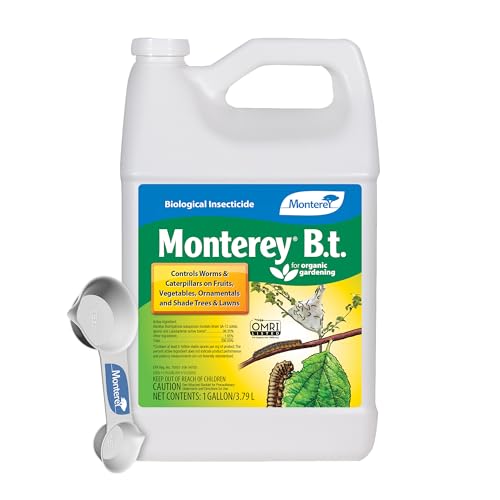
Monterey B.t. Bundled with Measuring Spoon - Biological Insecticide for Organic Gardening - 1 Gallon
INSECT KILLER - This pest control is designed for use on caterpillars and worm type insects, such as cabbage looper, bagworm, gypsy moth, fall cankerworm, elm spanworm and many more.

JAPANESE BEETLE TRAP: Traps Japanese beetles over a 5,000 square foot area.
Environmental Conditions Favoring Beneficial Insects

While we might not always think about it, the right environmental conditions can make all the difference in attracting beneficial insects to our rose gardens! Water availability plays a significant role—installing a birdbath or a small fountain not only provides hydration but also invites these helpful critters to take up residence. When it comes to temperature influences, we should aim for a range between 40°F and 85°F, as this promotes beneficial insect activity. Remember, damp, humid conditions can stress our roses while dry, moderate climates offer a haven for them! By maintaining healthy plants and avoiding harsh pesticides, we can create an inviting environment for parasitic wasps, lady beetles, and more—nature’s little allies against pests! Additionally, having a diverse range of gardening accessories can help to support an ecosystem conducive to beneficial insects.
Integrated Pest Management Strategies for Roses
Creating a thriving rose garden means more than just growing beautiful blooms; it’s about nurturing a balanced ecosystem right in our backyards. Let’s embrace Integrated Pest Management (IPM) strategies that champion both roses and their allies! By using companion planting, we can introduce flowers that attract beneficial insects like ladybugs and lacewings. These natural predators thrive in habitat diversity, feeding on pesky aphids and scale insects. Regular monitoring helps us catch problems early, and simple methods like hand-picking or water sprays can minimize pests without chemicals. Keeping our garden tidy by removing debris and using disease-resistant cultivars supports healthy roses. Remember, we’re building a resilient garden together, where each plant plays its part in our little ecosystem!
Recommended Products

Includes a sheet with Release Tips, Release Rates, Ladybug Fun Facts and FAQ's

Ladybugs are general predators that feed on a variety of slow-moving insects including Aphids, Moth eggs, Mites, Scales, Thrips, Leaf Hoppers, Mealybugs, Chinch Bugs, Asparagus Beetle larvae, Whitefly and others
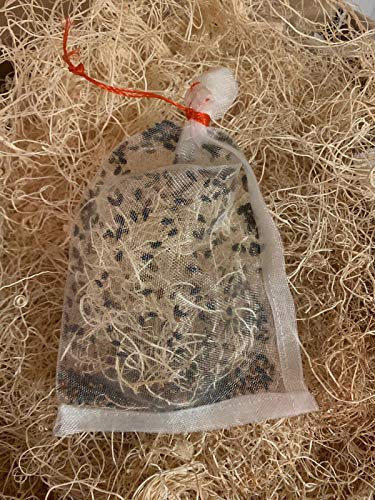
Includes a sheet with Release Tips, Release Rates, Ladybug Fun Facts and FAQ's
Educating Gardeners on Beneficial Insect Selection
Understanding how to select beneficial insects for our rose gardens is key to cultivating a vibrant and healthy ecosystem. We should start by familiarizing ourselves with the roles of these beneficial insects—like ladybugs and lacewings, which gobble up pesky aphids. It’s crucial to match these allies to our specific pest preferences, targeting the critters that threaten our blooms. Releasing predatory mites, like Cucumeris, can be a game-changer! Remember, timing is everything; avoid chemical sprays before introducing beneficials. Providing flowering plants like oregano can also sweeten the deal, attracting these helpful insects. With a little education and effort, we can turn our rose gardens into thriving habitats—where nature does the work for us! Let’s embrace these tiny guardians together!
Frequently Asked Questions
How Long Does It Take for Beneficial Insects to Show Results?
Beneficial insects usually show results within a few weeks for quick pests like aphids, but a complete beneficial insects timeline for garden pest control might take months, depending on the pest pressures and conditions.
Can Beneficial Insects Harm My Roses?
Curiously, while beneficial insects can cause minimal insect damage through movement, they generally protect our roses more than harm them. It’s essential we correctly identify pests to guarantee these allies thrive alongside our beautiful blooms.
Where Can I Purchase Beneficial Insects for My Garden?
We can purchase beneficial insects for our garden at local nurseries or online garden supply stores. They offer various options like ladybugs and predatory mites, ensuring we choose the right ones for effective pest management.
Are Beneficial Insects Safe for Pets and Children?
Yes, beneficial insects are safe for pets and children. They pose minimal risk during pet insect interactions, as they don’t carry harmful chemicals. We can enjoy gardening knowing these friendly helpers keep our loved ones safe.
How Do I Maintain Beneficial Insect Populations in My Garden?
Oh sure, let’s just sprinkle magic dust! To keep beneficial insects thriving, we’ll create vibrant insect habitats filled with diverse food sources, ensuring they stay fed and happy while secretly plotting to keep pests at bay.