As an Amazon Associate, we earn from qualifying purchases. Some links on this site are affiliate links at no extra cost to you. Our recommendations are based on thorough research and editorial judgment.

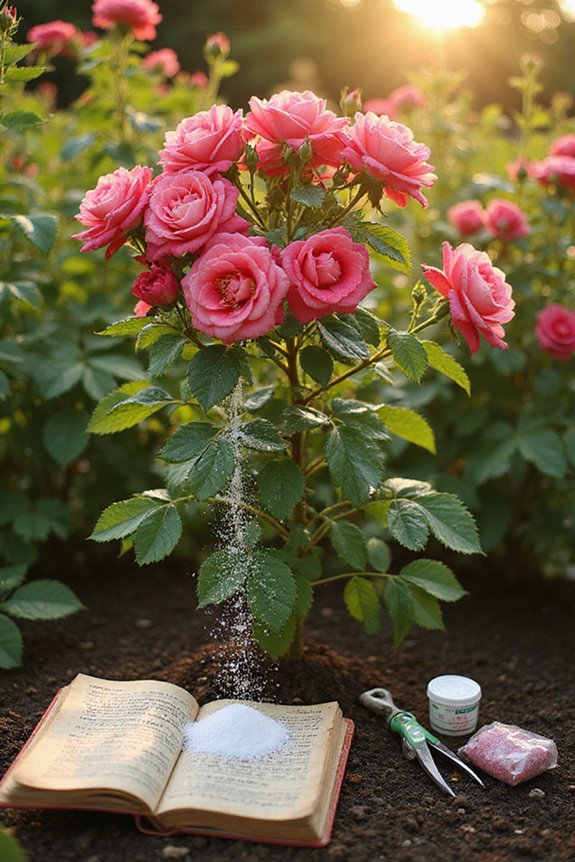
Does Epsom Salt Help Rose Blooming?

Epsom salt can indeed boost our roses, thanks to its magnesium and sulfur! These nutrients help with chlorophyll production and make blooms brighter and healthier. Just remember, moderation is key—too much can upset soil balance. Look for signs of magnesium deficiency, like yellowing leaves, before applying. A simple soil test can guide us! With proper sunlight, watering, and care, our rose garden can thrive! There’s so much more to know about keeping our blooms dazzling!
Key Takeaways
- Epsom salt provides magnesium and sulfur, which are essential for chlorophyll production and improve plant growth and resilience.
- Most gardens do not suffer from magnesium deficiencies, making Epsom salt applications often unnecessary for blooming success.
- Excessive Epsom salt use can disrupt soil nutrient balance and hinder calcium absorption, potentially harming plant health.
- Proper fertilization and balanced nutrition are crucial for rose blooming, outweighing the benefits of Epsom salt alone.
- Regular inspections for nutrient deficiencies and soil testing ensure responsible use of Epsom salt, promoting optimal rose care.
Understanding Epsom Salt and Its Composition
You may be interested

When it comes to enriching our gardens, understanding Epsom salt and its composition is a fantastic starting point! Known scientifically as magnesium sulfate heptahydrate, it boasts the chemical formula MgSO4·7H2O. This compound features powerful ionic bonds, connecting magnesium cations (Mg^2+) with sulfate anions (SO4^2−). It’s these bonds that make Epsom salt an effective ally for our plants! Containing about 9.8% magnesium and 13% sulfur, it’s a nutrient powerhouse, perfect for addressing deficiencies in our soil. As we dissolve Epsom salt in water, the magnesium and sulfate ions enthusiastically release, ready to nourish our roses! Organic soils can further enhance the benefits of Epsom salt by providing a rich nutrient foundation. Ready to see your blooms flourish? Let’s sprinkle some of this wonderful salt into our garden and watch the magic happen!
The Role of Magnesium and Sulfur in Plant Health

To thrive in our gardens, plants need a healthy supply of magnesium and sulfur, two unsung heroes of plant health! Magnesium benefits plants greatly, as it’s crucial for chlorophyll production, helping leaves capture sunlight for photosynthesis. When magnesium is plentiful, we can expect vibrant blooms and higher energy for growth. Sulfur importance is equally significant; it’s essential for protein synthesis and aids in forming essential enzymes. Plus, sulfur strengthens plant resilience, keeping our flowers vibrant even during stress! Remember, an adequate supply of magnesium and sulfur supports stronger roots, ensuring our roses and other blooms flourish. Consider using Epsom salt, as it provides a simple source of these nutrients. Let’s nurture our plants and watch them thrive brilliantly!
Common Myths Surrounding Epsom Salt for Roses

Understanding the roles of magnesium and sulfur in plant health opens the door to one of gardening’s most talked-about topics: Epsom salt and its supposed wonders for roses. While it’s easy to fall for Epsom salt myths, we must know that scientific evidence doesn’t support its magical claims. It won’t guarantee better blooms or solve pest problems! Adding it directly in planting holes can raise soil salinity, which harms rather than helps our roses. Plus, most gardens don’t suffer from magnesium deficiencies, so routine applications are often unnecessary. Let’s focus on balanced nutrition through quality fertilizers instead. Furthermore, tailoring choices to specific rose varieties and garden conditions is essential for optimizing growth. Remember, a healthy rose garden is all about understanding our plants’ needs, not relying on a single magical ingredient!
Signs of Magnesium Deficiency in Roses

As we plunge into the world of roses, it’s essential to keep an eye out for signs of magnesium deficiency that can quietly hinder our blooms! We may notice magnesium symptoms starting with older leaves, which can develop a striking yellowing along the edges, leaving a green “arrowhead” shape. Interveinal chlorosis—where the tissue between veins turns yellow—might start to appear, signaling our roses need attention. Brown blotches and premature leaf drop can follow, especially on older foliage. Don’t overlook the dark red or reddish-brown discoloration, indicating the deficiency worsens! Regularly inspect your plants, focusing on leaf discoloration. If you spot these signs, consider applying Epsom salts for a rejuvenating boost! Applying Epsom salts can aid in addressing deficiencies, leading to healthier plant growth and more vibrant blooms. Let’s keep our roses vibrant and flourishing together!
Recommended Products

BOOSTS GROWTH - Solar Rain has a unique magnesium complex that is 100% bioavailable to plants, boosting their primary and secondary metabolism within a matter of minutes!

Dyna-Gro Bloom 3-12-6 is a low nitrogen, high phosphorus formula
![Mycorrhizae 16 Species Inoculant (5 lb) Improves Drought Tolerance + Saves Precious Water + Fertilizer, Root Stimulator • Explodes Root Growth [5 lb Treats 96,000 (4 inch) Plants]](https://m.media-amazon.com/images/I/31AnWV9FtVL._SL500_.jpg)
EXPLODES ROOT GROWTH LIKE MOTHER NATURE INTENDED – The problem is that most soil doesn’t have enough Mycorrhizae. Wildroot Mycorrhizae facilitates the underground nutrition-gathering process that supports and replenishes the roots of plants to ensure the strongest and healthiest plants.
Risks Associated With Epsom Salt Application
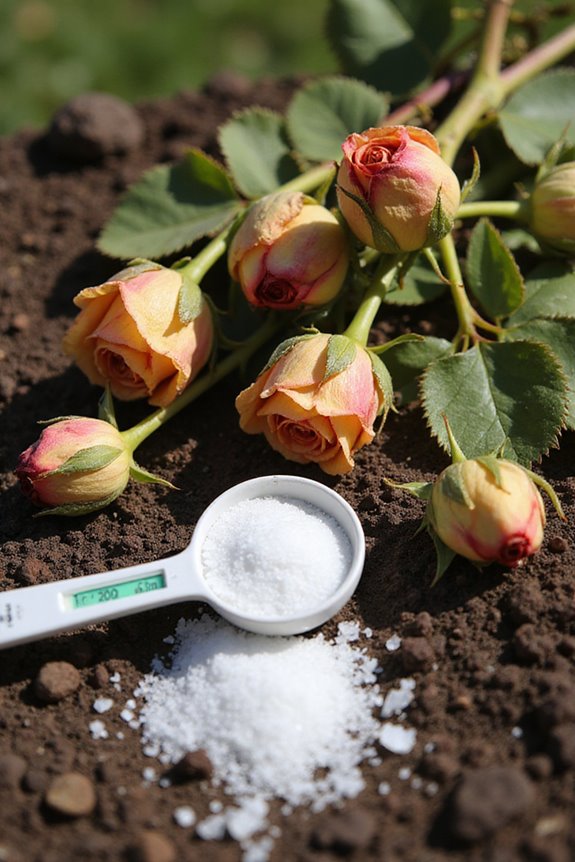
While we’ve just explored the signs that our lovely roses may be yearning for magnesium, it’s equally important to contemplate the risks linked to using Epsom salt carelessly. Epsom salt risks can emerge, disrupting the nutrient balance in our soil! For instance, too much magnesium can hinder calcium absorption, resulting in weak, unhealthy plants. Remember, magnesium and calcium are in a nutrient competition—only one can thrive at a time! Excessive application may lead to leaf scorch, stunted growth, or even root diseases. Let’s avoid this by testing our soil before reaching for that Epsom salt. Responsible use with moderation is key, ensuring our roses flourish without unwarranted risk. Additionally, it’s essential to consider that high nutrient content is vital for thriving rose plants. Happy gardening, friends! Let’s keep those blooms vibrant!
Recommended Products
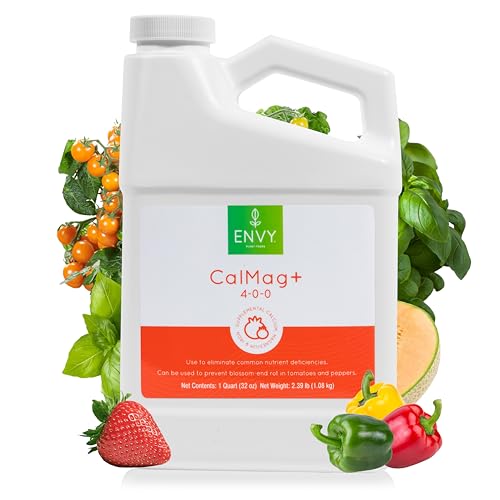
SUPERIOR CAL-MAG - ENVY's CalMag+ is derived from a superior source of Ca, Calcium Nitrate. Most CalMag blends you will find are created by blending Calcium Chloride, which is less friendly for plants and hydro systems
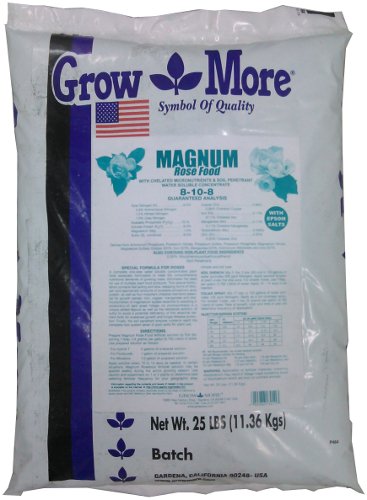
Magnum rose food is a complete one-step water-soluble fertilizer with chelated micronutrients and a soil penetrant
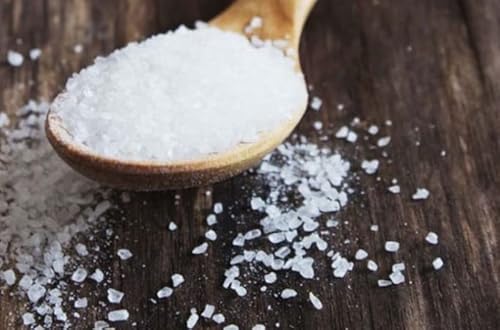
Methods of Applying Epsom Salt to Roses
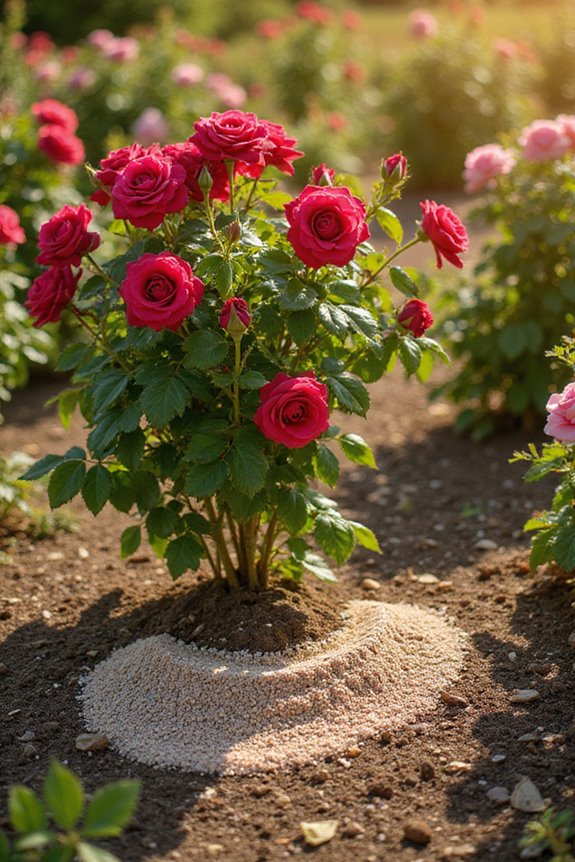
Are you ready to give your roses the boost they need with Epsom salt? Let’s explore some effective Epsom salt application techniques that promote blooming and significance! For established plants, sprinkle about one teaspoon per foot of plant height around the base, extending to the root zone. Water thoroughly afterward to dissolve those salts—this helps release those magnesium benefits!
When planting, mix half a cup into the soil before placing your rose bush. For foliage, dissolve one tablespoon per gallon of water for a foliar spray every two weeks. Remember, timing’s key—apply in spring and continue monthly for stunning blooms! With these methods, our roses will thrive, showcasing vibrant colors and lush foliage! 🌹 Additionally, using thorn protection gloves during the application process can prevent any accidental skin injuries from thorny stems.
Recommended Products

BLOOMS AFTER FIRST APPLICATION: This fertilizer booster flows to the root zone of rose bushes, hydrangeas, citrus trees, and garden plants to activate garden soil nutrients and unlock the full potential of existing fertilizers. Customers report rose bushes that had not bloomed in years producing big, beautiful flowers within weeks of application.

ROSE FERTILIZER FEEDS UP TO 3 MONTHS: Miracle-Gro Shake 'n Feed Rose & Bloom nourishes your plants above and below the soil for up to 3 months, providing nutrients for more blooms and spectacular color (vs. unfed)
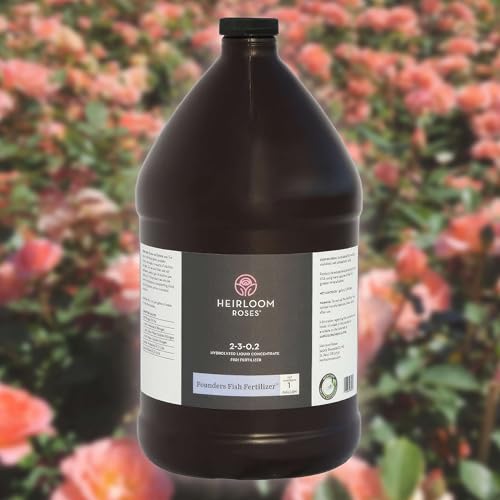
Organic Liquid Emulsion Fertilizer: The organic matter of the decomposed fish feeds mycorrhizae, building healthy bacteria throughout the soil to pomote plant growth and the reception of key nutrients
When to Use Epsom Salt: Testing Soil for Magnesium
Understanding when to use Epsom salt begins with knowing the health of our soil! Before we sprinkle this magic mineral, we need to assess our soil’s nutrient content through soil sampling and nutrient testing. It’s essential to confirm if our magnesium levels are lacking—remember, a percentage below 25 can hinder our lovely roses’ growth. We should collect samples from the top six inches of soil, mixing multiple sub-samples for an accurate reading. Sending these samples to a reliable lab will provide insights about magnesium levels and whether we should reach for Epsom salt! Periodic testing not only keeps our roses flourishing but verifies we’re not overdoing it—after all, moderation is key for a thriving garden! Let’s get testing!
Recommended Products

【7 IN 1 MULTIFUNCTIONAL SOIL TESTER】: Discover the power of our 7 in 1 Fast Soil Tester, which effectively measures Nitrogen, Phosphorus, Potassium, pH, temperature, moisture, and conductivity. perfect for petrochemical, environmental protection, metallurgy, mining, agriculture, experiment, surveying and other industries.

KNOW BEFORE YOU GROW | Grow the healthiest, sustainable lawn and garden with the most accurate and easy to use professional soil test kit on the market

Test Summary: This comprehensive test kit includes 9 heavy metals listed in the EPA 6010/6020 method for soil analysis of metals. The analysis is performed at a certified laboratory following the strict ISO 17025 standards, ensuring accurate and precise analysis results and an easy-to-understand report. This test is intended for 1 single soil sample.
Alternatives to Epsom Salt for Nutrient Supplementation
As we explore our garden’s nutritional needs, it’s exciting to discover several alternatives to Epsom salt that can supercharge our roses! Organic fertilizers, like alfalfa meal and bone meal, offer rich nitrogen and phosphorus, supporting healthy roots and stunning blooms. Composted manure enhances moisture retention while enriching the nutrient balance in our soil. Don’t forget seaweed or kelp meal, packed with potassium and natural growth hormones that help our roses flourish! We can also utilize gypsum for calcium without altering our soil pH. For a quick boost, liquid seaweed extracts or compost teas applied as foliar feeds provide essential micronutrients. So, let’s mix and match these options to give our gardens the nourishment they deserve!
Recommended Products

OMRI Listed & Suitable for Organic Growing – GS Plant Foods kelp fertilizer meets the National Organic Program requirements for use in organic production. Ideal for gardeners, farmers, and home growers.

Ready-to-Use Potting Soil: No mixing required! Michigan Peat General All-Purpose Premium Potting Soil is ready to use straight from the bag, saving you time and effort

Versatile for All Planting Needs: Ideal for indoor and outdoor potted plants, bulbs, starting seeds, and rooted cuttings, providing a healthy environment for all types of plants
The Impact of Soil Nutrition on Rose Quality
When we dig into the impact of soil nutrition on our beloved roses, it’s clear that providing them with the right nutrients not only fuels their growth but also enhances the quality of those stunning blooms we adore! Maintaining a proper soil nutrient balance is essential; when we don’t, pink petals can fade and buds may fail to develop. We need to pay attention to micronutrient solubility too! An ideal pH allows critical nutrients to be absorbed effectively, so checking soil acidity can work wonders. Add organic amendments for thriving microbial activity, and don’t forget to analyze nutrient levels regularly! By being proactive about our roses’ nutrition, we can transform our gardens into vibrant showcases of health and beauty. Let’s bloom brilliantly together!
Best Practices for Maintaining Rose Health and Blooming
Maintaining the health and blooming of our cherished roses is truly a rewarding endeavor! To nurture our beloved rose varieties, let’s guarantee a good balance of sunlight, water, and nutrient-rich soil. We should aim for at least six hours of sunlight daily, while watering deeply—about an inch per week—without wetting the foliage to curb fungal issues. Pruning is also crucial, so let’s deadhead spent blooms and remove any dead wood for better airflow. For pest control, incorporating coffee grounds can help deter unwanted visitors while providing nutrients! Plus, a layer of mulch will conserve moisture and suppress weeds. By following these best practices, our roses will flourish with stunning blooms all season long!
Frequently Asked Questions
Can Epsom Salt Harm My Roses if I Overapply?
Yes, overusing Epsom salt can harm our roses. It disrupts nutrient absorption and soil quality, leading to poor rose health. We should always apply it carefully to avoid negative effects on our beloved plants.
How Often Should I Test My Soil for Magnesium Levels?
We should test our soil for magnesium levels every 2-3 years, especially if we suspect magnesium deficiency. Regular soil testing helps us guarantee our plants receive the nutrients they need for ideal growth.
What Are the Symptoms of Soil Nutrient Imbalance in Roses?
We notice symptoms of nutrient deficiency in roses like yellowing leaves, stunted growth, and reduced blooms. Soil pH plays an essential role, too, often causing nutrient imbalances that can hinder our plants’ overall health.
Are There Any Signs That Indicate Magnesium Is Beneficial for Roses?
Did you know over 30% of rose gardens show signs of magnesium deficiency? We can spot it through yellowing leaves and stunted rose growth, reminding us to monitor our plants for healthier blooms and vigor.
Can I Use Epsom Salt in Conjunction With Other Fertilizers?
Yes, we can definitely use Epsom salt in conjunction with other fertilizers! This nutrient synergy enhances magnesium availability while maintaining fertilizer compatibility, supporting our roses’ growth and blooming without compromising their nutritional balance.