As an Amazon Associate, we earn from qualifying purchases. Some links on this site are affiliate links at no extra cost to you. Our recommendations are based on thorough research and editorial judgment.

What Is The Ideal EC For Container Rose Nutrient Solutions?

When growing container roses, we want to keep the electrical conductivity (EC) between 1.5 and 2.5 dS/m for ideal health and dazzling blooms! This balance helps our roses absorb nutrients efficiently and prevents stress. Regularly checking the leachate guarantees our plants get the right amount of nourishment. Remember, as our blooms develop, slightly increasing EC can enhance their intensity! There’s so much more to discover about the perfect care for our beloved roses!
Key Takeaways
- The ideal EC range for container-grown roses is typically between 1.5 to 2.5 dS/m to prevent salt stress.
- Regular monitoring of leachate EC ensures optimal nutrient support and plant health.
- Excessive EC levels above 2.5 dS/m can lead to nutrient competition and plant stress.
- Adjust EC gradually, increasing slightly during flowering to enhance bloom intensity.
- Use well-draining soil and purified water to help maintain balanced EC levels.
Understanding Electrical Conductivity (EC)
You may be interested



When it comes to nurturing our beloved container roses, understanding electrical conductivity (EC) is absolutely crucial! EC measures the presence of dissolved ions in our nutrient solutions, indicating total salt levels. We can utilize various EC measurement techniques, like the PourThru method, to keep tabs on our roses’ nutrient uptake—simple and effective! However, let’s not forget the factors influencing EC, such as soil texture and moisture. These elements can sway our readings, so staying alert to these changes helps make certain our plants thrive! By adjusting our nutrient solutions based on EC readings, we can tailor the perfect feeding regimen for our roses, enhancing their health and bloom quality. Additionally, regular soil testing can help prevent nutrient deficiencies, ensuring that our roses receive all essential nutrients. Let’s dig into this fascinating world of EC together, and watch our roses flourish!
Ideal EC Range for Container-Grown Roses
We must pay attention to container susceptibility; higher ECs, especially above 2.5 dS/m, can lead to salt stress. Regularly checking our leachate and adjusting based on potting medium guarantees our roses get the best nutrient support they deserve. With consistent monitoring, we can cultivate breathtaking roses, thriving beautifully in their containers! Additionally, using fertilizers with balanced NPK ratios ensures optimal foliage and root development. Let’s keep those blooms coming!
Recommended Products
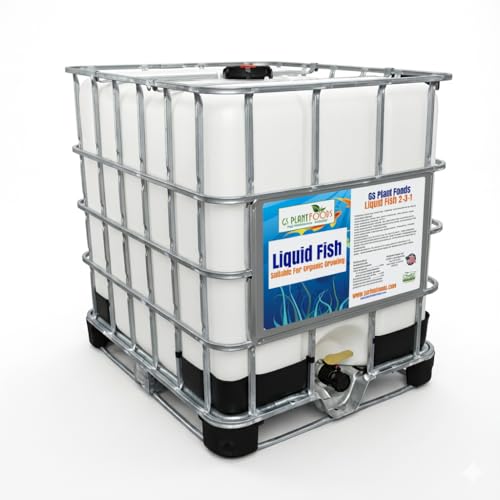
OMRI CERTIFIED Organic Materials Review Institute Listed for Organic Production Approved as GS Plant Foods Organic Liquid Fish Concentrate 2-3-1. Suitable for organic growing under OMRI and NOP standards.

OMRI Listed & Suitable for Organic Growing – GS Plant Foods kelp fertilizer meets the National Organic Program requirements for use in organic production. Ideal for gardeners, farmers, and home growers.

Ready-to-Use Potting Soil: No mixing required! Michigan Peat General All-Purpose Premium Potting Soil is ready to use straight from the bag, saving you time and effort
Impact of EC on Nutrient Uptake
Healthy roses are the ultimate garden showstoppers, and understanding how electrical conductivity (EC) influences nutrient uptake is a game-changer for their care! When we monitor EC fluctuations, we’re better equipped to support these beauties. A moderate EC enhances root water absorption, ensuring that our roses efficiently uptake essential nutrients. However, excessive EC can lead to nutrient competition, making it tougher for our plants to thrive. Too high of an EC creates “physiologically dry” conditions, limiting water and nutrient transport. To keep our roses vibrant, we should aim for balanced EC levels, helping maintain ideal nutrient profiles and boosting flower development! Remember, our roses thrive when we strike that perfect balance! Furthermore, well-draining soil is essential for optimizing nutrient absorption and promoting overall plant health. Let’s nurture them with passion and precision!
EC Management Throughout Growth Stages

As we begin the journey of nurturing our beloved container roses, understanding the intricacies of electrical conductivity (EC) management is crucial at every growth stage! In the early growth stage, we must reduce EC before dormancy, halting soluble feeding and managing moisture. During vegetative growth, moderate EC encourages robust root and shoot development—let’s boost nutrient availability as needed! In the flowering phase, we can slightly increase EC for bloom intensity, but let’s monitor frequently to prevent stress. Post flowering, we should gradually reduce soluble feeding, prepping our roses for dormancy while maintaining moisture. Finally, long-term management involves repotting every two years with fresh media. Additionally, incorporating natural soil amendments can enhance nutrient availability and overall soil health, ensuring our roses thrive and dazzle all season long!
Recommended Products

Made for Roses & Flowering Plants – Formulated to support healthy growth and blooming in roses and ornamental flowers.

3-IN-1 FLOWER CARE: All-In-One Rose & Flower Care is fertilizer, insect control, and disease control all in one; Systemic rainproof protection lasts up to 6 weeks

All-in-One Rose Fertilizer: Premium liquid fertilizer for roses, formulated with Nitrogen, Ammonium, Sulfate, Potash, Iron, Kelp, and Humic Acid to promote healthy root development, vibrant foliage, and strong blooms.
Interactions Between EC, Growing Medium, and Water Quality

Understanding how electrical conductivity (EC) interacts with our choice of growing medium and water quality is essential for our container roses to thrive! When we consider growing medium interactions, we realize that options like rockwool or cocopeat can retain nutrients better than inert substances like perlite, which leads to faster fluctuations in EC. So, choose wisely! Water quality effects also play an important role; starting with purified or reverse osmosis water gives us a head start by keeping that baseline EC low. Be mindful—high salinity or impurities can raise EC, stressing our rose roots. By regularly checking our nutrient solution and adjusting as needed, we create an ideal environment, keeping our roses happy, healthy, and blooming beautifully! Additionally, ensuring accurate moisture readings can prevent overwatering, which is critical for maintaining optimal EC levels.
Recommended Products

Roses are notoriously difficult to grow… Let our professionally formulated plant food make things a bit easier
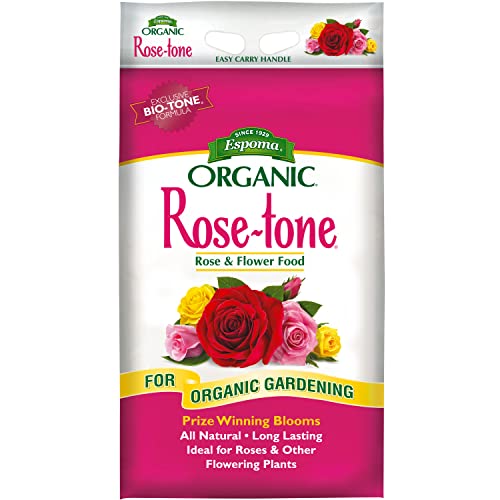
FOR USE ON: Use Rose-tone organic fertilizer for all types of roses including knockouts, and climbers. Also, for flowering plants including viburnum, bougainvillea & clematis.

PLANT PROTECTOR - Designed for use on roses, flowers, houseplants, ornamental trees and shrubs, fruits, nuts, and vegetables in and around the home and home garden.
Importance of Ph in Nutrient Solutions
When we consider the magic of growing container roses, one key element often gets overlooked: pH! Keeping our roses in that sweet spot, ideally between 6.0 and 6.5, guarantees they soak up essential nutrients like iron and magnesium. Let’s not forget, pH measurement techniques are vital for maintaining this balance! When acidity adjustments are needed, we can use simple methods like incorporating peat moss. Remember, too high a pH can lead to nutrient deficiencies, so we’ll want to regularly test our irrigation water too! By monitoring pH closely, we promote vigorous root health and beautiful blooms. With just a little attention, our container roses will thrive, dazzling us with their enchanting colors! Let’s get growing!
Monitoring and Adjusting EC for Optimal Rose Health
To guarantee our container roses flourish, it’s important to keep a close eye on the electrical conductivity (EC) of our nutrient solutions. Regular monitoring, at least weekly, helps us balance nutrient ratios and promotes vibrant growth. Ideal EC values for our roses typically range from 1.5 to 2.5 mS/cm. If we find the readings too low, we can boost nutrient concentration; too high? A partial solution refresh works wonders! Using a temperature-compensated EC meter is essential for accurate readings. Remember, consistent growth observation allows us to catch any imbalances before they affect our beautiful blooms. Let’s stay proactive and guarantee our roses receive the best care they deserve, leading to lush foliage and a stunning display of flowers! Happy gardening!
Frequently Asked Questions
How Often Should I Measure EC for Container Roses?
We’ll measure EC weekly, as it helps guarantee ideal nutrient uptake. For instance, if we noticed yellowing leaves, more frequent testing alerted us to nutrient imbalances, allowing timely adjustments to boost our container roses’ health.
Can Different Rose Varieties Require Varied EC Levels?
Yes, different rose varieties require varied EC levels due to rose variety differences affecting nutrient uptake. By understanding these differences, we can optimize nutrient solutions to enhance growth and flowering in our roses.
What Signs Indicate My Roses Are Experiencing High EC Stress?
When our roses start fading, like a sunset losing its glow, we see leaf discoloration symptoms and root growth issues. These signs reveal high EC stress, demanding our attention to restore their vibrant health.
How Does Temperature Affect the Optimal EC for Roses?
Temperature fluctuations considerably impact the best EC for roses. We should adjust EC levels based on ideal humidity and root zone temperature, ensuring our plants receive appropriate nutrients while avoiding stress from excessive or insufficient conductivity.
Is It Possible to Rejuvenate Plants With High EC Levels?
Where there’s a will, there’s a way! Yes, we can help plants recover from high EC levels. By correcting the environment, we enhance nutrient absorption, promoting plant recovery and rejuvenation after stress.