As an Amazon Associate, we earn from qualifying purchases. Some links on this site are affiliate links at no extra cost to you. Our recommendations are based on thorough research and editorial judgment.


How To Control Aphids On Roses Safely?

To control aphids on our gorgeous roses safely, we can start with simple methods like manual removal and strong jets of water. Organic sprays, such as garlic or neem oil, are fantastic for disrupting their feeding. Let’s invite ladybugs and parasitic wasps to munch on aphids naturally! Regularly checking our plants, especially new shoots, helps us catch infestations early. By creating a healthy environment, our roses will thrive—there’s always more to discover about keeping our blooms beautiful!
Key Takeaways
- Regularly inspect roses for aphids, focusing on new growth and undersides of leaves to catch infestations early.
- Use a strong jet of water to dislodge aphids from rose buds and leaves.
- Apply organic garlic spray, neem oil, or Earth’s Ally Fungicide for effective pest control.
- Introduce natural predators like ladybugs and encourage them by planting companion flowers.
- Prune infested foliage and maintain balanced nutrition for strong plant resilience against infestations.
Safe Physical Methods to Control Aphids
You may be interested

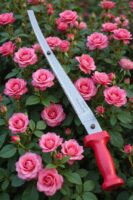
When it comes to controlling aphids on our beloved roses, we’ve got a toolkit full of safe, physical methods that really pack a punch! First off, let’s grab our gloves for some manual removal—squashing those pesky aphids on rose buds keeps their numbers in check. If they’re clustered, we can also wipe them off with a damp cloth. And don’t forget to prune any infested foliage—we should limit aphid spread! Next, let’s bring on the water spray! A strong jet of water directly targets those little critters, especially on new growth. Aim both above and below the leaves; early morning is perfect to avoid fungal issues. When using physical methods, it’s always beneficial to incorporate eco-friendly pest management approaches for comprehensive care. Let’s keep up with regular checks and we’ll stay ahead of any aphid invasion!
Recommended Products

EFFECTIVE SPIDER MITE, POWDERY MILDEW & PLANT DISEASE CONTROL – Natural miticide and spider mite killer effective against two-spotted spider mites, broad mites, russet mites, whiteflies, aphids, powdery mildew, and downy mildew on vegetables, flowers, houseplants, indoor plants, ornamentals, and garden crops.

DEFENDS YOUR PLANTS - Monterey 70% Neem Oil controls black spot, powdery mildew, rust, needle rust, downy mildew, twig & twip blight, anthracnose, scab and flower, botrytis, alternaria, and other fungal diseases.

BEST NATURAL SOLUTION TO BEAT MILDEW, MITES, AND MOLD - Crop Control is hands down the BEST choice to protect and cure Powdery Mildew, Spider Mites, Russet Mites, Broad Mites, Botrytis, Grey Mold, Aphids, fungal and parasitic species on plants. Uses plants natural defense systems to defend with zero harsh chemicals or toxins
Organic and Natural Sprays for Aphid Control

Manual removal and water sprays might help keep aphid populations down, but let’s amp up our arsenal with organic and natural sprays that pack a powerful punch! One of our go-to methods is garlic spray, where we steep crushed garlic cloves in hot water, combine it with a bit of liquid soap, and add some neem oil for extra smothering power. Trust us, this chemical-free concoction is plant-safe and can work wonders overnight! Another fantastic option is using neem oil itself, which disrupts aphid feeding and reproduction. Just remember, thorough coverage—especially on the undersides of leaves—is key! Spray during early morning to maximize efficacy and minimize phytotoxicity. Also, consider Earth’s Ally Fungicide as a supporting option that’s both safe for your plants and effective against various pests. Let’s keep our roses flourishing and aphid-free with these fabulous organic solutions!
Recommended Products

SUPER CONCENTRATE MAKES 1,000 GALLONS - Earth's Ally 3 in 1 Plant Spray Super Concentrate creates 1,000 gallons of multi-purpose pest and fungus spray that works as an insecticide, miticide and fungicide. The formula effectively controls insects and common plant diseases with a synergistic blend of botanical oils.

MAXIMIZE YIELDS – Grow healthier plants with Grower’s Ally Spider Mite Control. This natural miticide for spider mites kills and repels common soft-bodied insects, including adult and nymph spider mites.

Control diseases and insects in your garden with Captain Jack’s Fruit Tree Spray Concentrate! Use on a variety of listed fruits, nuts and citrus plants.
Biological Control Using Natural Predators

If we want to tackle aphids on our beloved roses effectively, embracing biological control through natural predators is a game changer! Using ladybug benefits is a fantastic strategy; both adults and larvae can devour dozens of aphids daily. We should encourage their presence by planting flowering plants that offer nectar and pollen nearby. Additionally, let’s consider parasitic wasps—these tiny heroes lay eggs inside aphids, and their larvae kill them from within! It’s essential to create an environment where these beneficial insects thrive. By managing ants, we can enhance the effectiveness of our predators, allowing ladybugs and parasitic wasps to reach those pesky aphid colonies more easily. Moreover, integrating organic solutions such as neem oil can complement this approach, ensuring a holistic management of aphid populations. Let’s cultivate a thriving ecosystem in our gardens!
Recommended Products
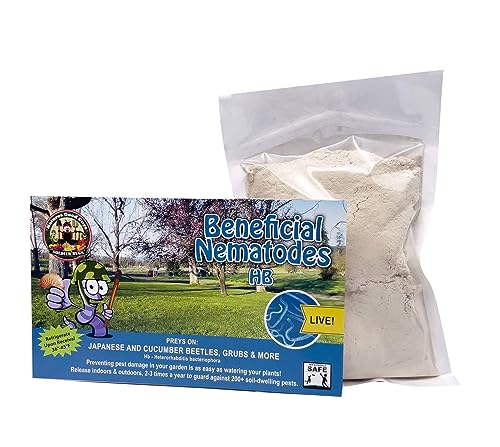
beneficial nematode
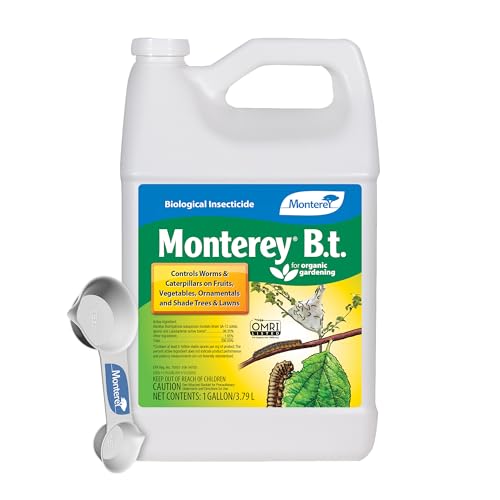
Monterey B.t. Bundled with Measuring Spoon - Biological Insecticide for Organic Gardening - 1 Gallon
INSECT KILLER - This pest control is designed for use on caterpillars and worm type insects, such as cabbage looper, bagworm, gypsy moth, fall cankerworm, elm spanworm and many more.
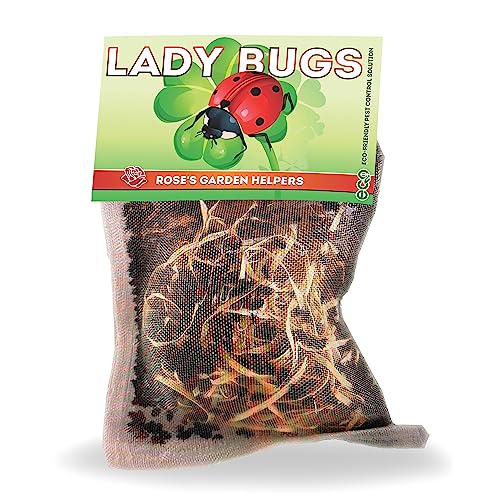
Natural Garden Balance – These beneficial insects help maintain the health of your plants by naturally managing garden challenges.
Monitoring and Early Intervention Practices

How often do we take a closer look at our roses during the growing season? Regular inspections are essential for catching those pesky aphids before they take hold! Let’s start weekly checks in early spring, focusing on tender new shoots and the undersides of leaves, where aphids love to hide. Look for clusters of small insects or those telltale symptoms—puckered leaves, sticky honeydew, and distorted buds. Early detection allows us to intervene quickly, keeping populations manageable. If we spot an infestation, we can dislodge them with a strong water spray or manually squash them. Remember, a little diligence now can save a lot of heartache later! Checking our roses regularly means healthier blooms for all to admire. Incorporating slow release fertilizers can also strengthen plant resilience, making them less vulnerable to infestations.
Recommended Products
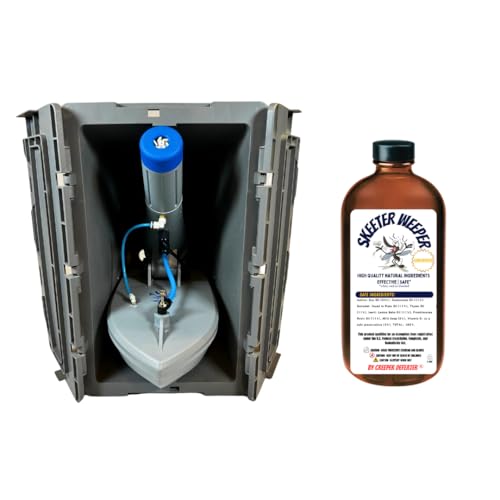
🐾 Skeeter Weeper excludes harsh chemical pesticides. What's more, unlike other natural solutions, our formula excludes pet-toxic ingredients like vinegar, alcohol, garlic, peppermint, or citronella oil. Instead, revel in the power of the Creeper Defeater proprietary blend of: lemon balm, frankincense resin, cedarwood oil, soy oil, thyme oil, and geraniol (found in rose oil), mild soap, with naturally occurring vitamin e as the only preservative.

Packaging Update: You may receive previous or updated packaging during our transition. Same formula, same performance. Complete Plant Care Solution - This all-in-one plant care spray is intended for routine use as part of a regular plant maintenance program. Designed to be used alongside Humboldt’s Secret nutrients for flowers vegetables and houseplants at every stage of growth.

For Use On Roses, Fruit & Nut Trees, Ornamental Trees & Shrubs
Environmental and Plant Care Considerations

Keeping our roses healthy doesn’t just involve watching for aphid infestations; it also means understanding the environmental and plant care factors that can facilitate these pests. Climate impacts like warm, dry weather can boost aphid populations, so let’s make certain our roses thrive in well-ventilated spots. Good soil health is essential, too! Over-fertilization leads to soft new growth, a buffet for aphids. Instead, we should provide balanced nutrition for robust blooms by using organic soil nutrients that support flower vitality. Regularly removing infested stems reduces pest pressures, while morning sprays of water can help dislodge these pesky critters. Let’s also consider companion plants like chives and marigolds, which naturally repel aphids. With attentive care and smart strategies, we can cultivate a rose garden that flourishes beautifully!
Frequently Asked Questions
Can Aphids Damage Other Plants Besides Roses?
Yes, aphids can damage many plants beyond roses. By employing companion planting, we can attract aphid predators, helping to control infestations. This strategy benefits various crops and enhances our garden’s resilience against these pests.
What Environment Attracts Aphids to Rose Plants?
Aphids thrive in warm, moist environments with excessive nitrogen, making rose care essential for pest prevention. By maintaining balanced nutrients and avoiding rapid growth, we can reduce aphid attraction and protect our beautiful roses together.
How Do Weather Conditions Affect Aphid Populations?
Weather impacts aphid lifecycles substantially; warmer temperatures speed up development, while drought stresses host plants, reducing populations. We should monitor local conditions, as they can greatly influence aphid presence and vulnerability in our gardens.
Are Certain Rose Varieties More Resistant to Aphids?
Yes, certain rose varieties are more resistant to aphids. By choosing resistant varieties and encouraging natural predators in our gardens, we can enhance plant health and reduce aphid populations effectively without harmful chemicals.
Can Aphids Transmit Plant Diseases to Roses?
Absolutely, aphids can transmit diseases to roses through their feeding behavior. As they feed on infected plants and then healthy ones, they facilitate disease transmission, impacting our roses’ aesthetic value and overall health.