As an Amazon Associate, we earn from qualifying purchases. Some links on this site are affiliate links at no extra cost to you. Our recommendations are based on thorough research and editorial judgment.


How To Refresh Potting Mix For Roses Each Year?

To refresh potting mix for our beloved roses each year, let’s assess the existing soil’s moisture and pH, aiming for that sweet spot of 6.0 to 6.5. Next, we’ll remove the top 2-3 inches of compacted soil to boost aeration. Then, mix in organic matter like aged compost and perlite for that ideal drainage! Regularly monitor our plants for nutrient needs, and we’ll be set for vibrant blooms! Stick with us to discover winter preparation tips!
Key Takeaways
- Remove the top 2–3 inches of compacted soil to improve aeration and prevent root suffocation.
- Incorporate aged compost and organic matter to enhance soil structure and nutrient levels.
- Mix in perlite or coarse sand to ensure adequate drainage and prevent waterlogging.
- Conduct pH testing to maintain levels between 6.0 and 6.5 for optimal rose health.
- Regularly monitor for nutrient deficiencies and adjust fertilization strategies accordingly throughout the growing season.
Evaluating Your Existing Potting Mix
You may be interested



When it comes to our beloved roses, having the right potting mix is crucial for their success! To evaluate our existing mix, let’s start with moisture retention and drainage. We’ll mix in organic matter like peat moss, which boosts water holding capacity, while perlite or sand helps break up any soil compaction. That way, we can guarantee our roses thrive without drowning or drying out.
Don’t forget about pH testing! Roses prefer a slightly acidic level, ideally around 6.0 to 6.5. Regularly check the pH, adjusting when necessary to maximize nutrient uptake. Keep an eye out for drainage issues—slow absorption or foul smells indicate changes are needed. Additionally, incorporating specialty rose formulations will provide essential nutrients tailored for better blooms. With some hands-on assessment, our roses will have the perfect home!
Removing Old Soil Layers

Removing the top layers of old soil from our potting mix is an essential step in keeping our roses thriving! By scooping out the compacted or crusted top 2–3 inches, we improve aeration and prevent root suffocation. Using a small garden spade, we can easily reveal the nutrient-rich layers below. Let’s discard or compost any soil showing signs of disease, pests, or mold—better safe than sorry, right? It’s important to avoid simply layering new soil on top, as this won’t break up compaction or promote necessary root movement. Instead, a regular removal of old layers encourages robust root growth in our renewed mix! Our roses will flourish, and we’ll enjoy their beauty even more! Additionally, maintaining the ideal pH level range of 6.0 to 6.8 is crucial for effective nutrient absorption, further supporting the health of our rose plants.
Recommended Products

FEEDS UP TO 6 MONTHS: Miracle-Gro Potting Mix is a gardening soil for outdoor containers that feeds all types of potted plants, including flowers, vegetables, shrubs, annuals, and perennials for up to 6 months

Natural & Organic Blend: 40-quart bag is made from a mixture of natural peat and composted animal manure, providing a high-nutrient boost for your plants

Organic Compost Blend: Enhance the nutrient content and soil quality of lawns and raised garden beds with this organic blend, promoting healthy plant growth and soil vitality
Adding Organic Matter and Amendments
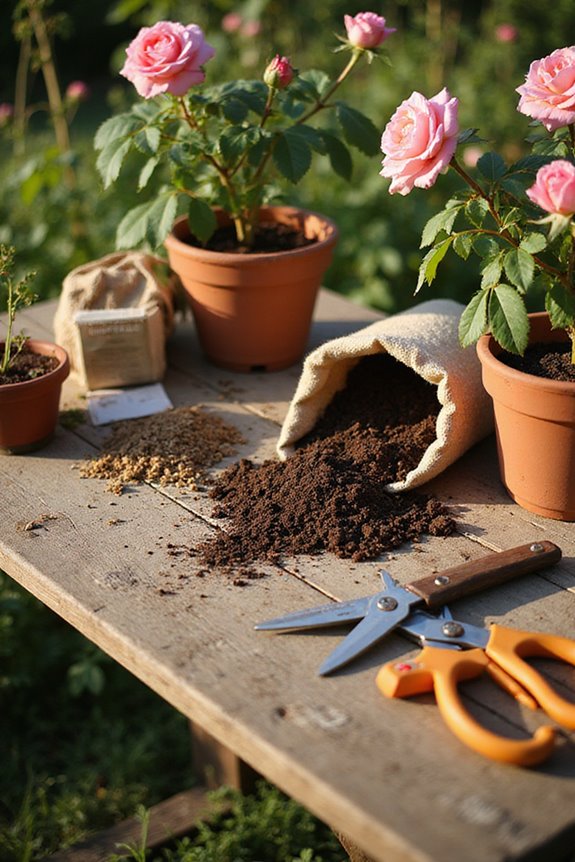
After clearing away the old soil layers, we’re ready to supercharge our potting mix with organic matter and amendments! First, let’s incorporate aged compost to boost soil structure and microbial activity. Adding aged fir bark or redwood improves aeration and drainage—your roses will love it! Don’t forget the benefits of earthworm castings, packed with natural growth hormones. Alfalfa meal adds nitrogen, while bat guano or kelp meal provides essential micronutrients for vibrant blooms. We should mix these soil amendments into the top inches of our potting mix. Top-dressing with a layer of compost helps maintain moisture and nutrient cycling. Additionally, organic materials and amendments can enhance disease resistance through improved soil health. Let’s water thoroughly after applying these organic treasures to kickstart our plants on their journey to blooming success!
Recommended Products

Horticultural Grade Vermiculite: Premium organic fine vermiculite, ideal for potting soil for orchids, indoor plants, and succulents. Enhances water retention and nutrient availability for robust growth.

💧 COMMERCIAL-GRADE HYDRATION: Elevate your gardening with Soil Vigor, a professional-quality potassium polyacrylate. This super absorbent polymer acts as an automatic waterer for your plants, ensuring they receive consistent moisture without daily effort.

Mycorrhizal Fungi Inoculant for Plants - Myco Bliss contains 5 high performing strains of mycorrhizal fungi that form powerful symbiotic relationships with plant roots, drastically improving nutrient absorption and water retention in indoor plants, outdoor plants, and potting mixes. (Mycorrhizae powder can be applied directly to seeds and developing roots.)
Nutrient Replenishment Strategies
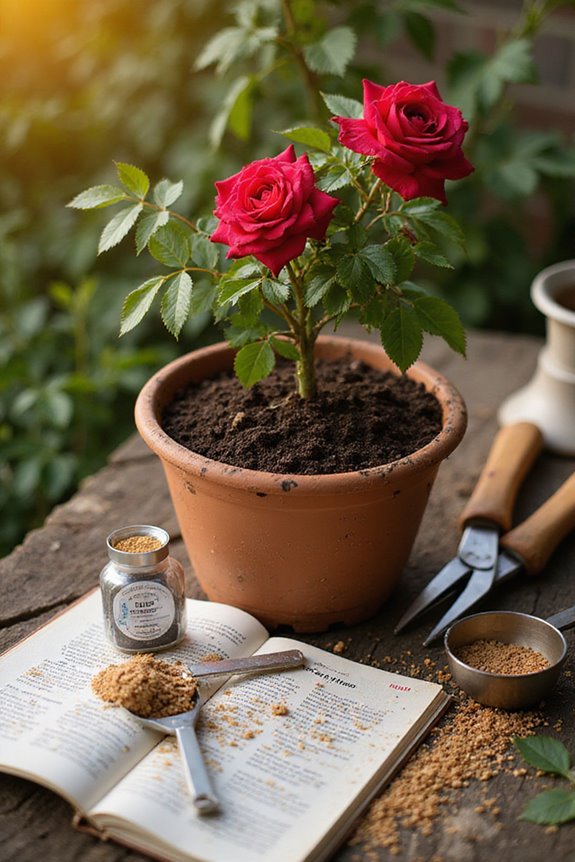
To keep our roses thriving, it’s vital to implement effective nutrient replenishment strategies. Let’s embrace proper nutrient timing and select suitable fertilizer types! For vibrant blooms, we should focus on balanced fertilizers, applying them once or twice per growing season. Think of nitrogen, phosphorus, and potassium as the holy trinity of rose nutrition! We can also boost our roses’ health with a sprinkle of Epsom salts to provide magnesium and sulfur. Remember, container roses need more frequent feeding—so let’s mix liquid fertilizers into our watering routines for a quick nutrient fix! By closely monitoring our plants for deficiencies, we’ll guarantee our roses stay healthy and flourish beautifully throughout the season! Systemic insecticides are also an effective option for managing pest issues that may inhibit overall plant health. Happy gardening!
Recommended Products
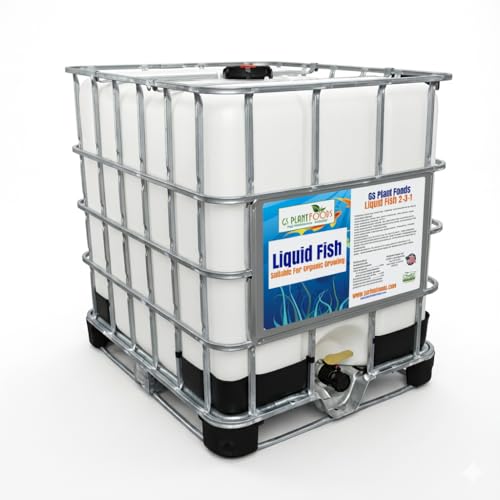
OMRI CERTIFIED Organic Materials Review Institute Listed for Organic Production Approved as GS Plant Foods Organic Liquid Fish Concentrate 2-3-1. Suitable for organic growing under OMRI and NOP standards.

DEER REPELLENT GRANULES - Our granular repellent is easy to apply and works for deer, rabbit, elk, and moose. It is best used for lower-level ground vegetation, i.e., flowers, crops, bushes, seedlings, ornamental plants, shrubs, garden beds, and plants under 2 feet tall. It uses ingredients that promote strong plant growth and recovery.th and recovery.

You will receive (10) 2-cubic foot bags of potting soil per purchase.
Improving Aeration and Drainage

Roses thrive not just on nutrients but also on a strong foundation of aeration and drainage! To enhance both, we can use mechanical aeration. Gently insert non-sharp tools like chopsticks into the potting mix, moving in circular motions to loosen compacted soil without hurting roots. It’s a simple yet crucial task we should repeat monthly!
For drainage enhancements, let’s mix in materials like perlite or coarse sand—aim for about 20-30% inorganic amendments. This will keep our soil porous and promote healthy root growth. Remember to observe water percolation when watering. If we spot standing water, it’s time to reassess our potting mix! Incorporating good drainage is essential to prevent waterlogging and root rot. With these steps, our roses will flourish beautifully and robustly!
Recommended Products

Coarse Horticultural Perlite: 4 pack large-grade perlite designed for potting soil, seed starting, propagation, hydroponics, organic gardening, and specialty plant mixes
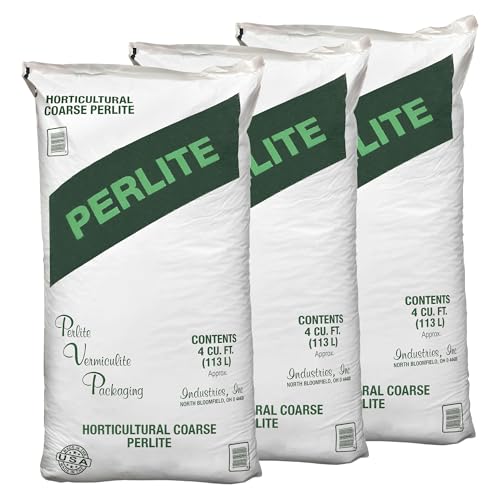
Promotes strong root development by enhancing aeration and drainage—essential for healthy plant growth in pots, gardens, and hydroponic systems

BETTER QUALITY SOIL: Improves soil quality or serves as a hydroponic soil substitute
Integrating Seasonal Care Practices
As we embrace the changing seasons in our gardening journey, integrating seasonal care practices is key to keeping our roses thriving! Let’s kick off spring with nitrogen-rich amendments, as these will get those lovely new shoots growing. During the growing season, a balanced fertilizer provides essential plant nutrients that support flowering and roots. As summer fades, it’s time to switch gears—focus on potassium and phosphorus to strengthen resilience for the winter ahead. Don’t forget to make seasonal adjustments based on our observations; every rose has unique needs! Feeding our roses regularly will guarantee we maintain nutrient availability without any ugly stress. Let’s nurture their growth cycle together and watch our blooms flourish like never before!
Monitoring Soil Health and Plant Growth
Monitoring soil health and plant growth should become our new gardening mantra as we support the vibrant lives of our beloved roses! We need to keep an eye on microbial diversity, as a bustling microbial community indicates our soil’s biological health. It’s crucial for nutrient cycling—a key factor in helping our roses flourish! Tracking soil enzyme activities like dehydrogenase and phosphatase can enlighten us about nutrient availability, enhancing root health and growth. Let’s regularly assess moisture and soil structure too, ensuring ideal conditions for our plants. Remember, healthy roots mean happier roses! So, let’s dig deep, check our soil’s liveliness, and watch our roses thrive in glorious colors—gardening success is just around the corner!
Conducting Regular Soil Tests
Soil tests are our secret weapon in the quest for thriving roses! Regular soil testing can’t be overstated. Every two to three years, we should check in on our established rose beds to maintain soil health. For new planting sites, let’s test the soil before planting when it’s workable, ideally in spring or fall. Fall is especially beneficial; it allows us to apply amendments that can boost soil health over winter. By sampling from 6 to 8 inches deep, we guarantee accurate nutrient analysis, covering essential components like pH and macronutrients. With these results in hand, we can fine-tune our fertilizer use and keep our roses blooming beautifully. So, let’s get to testing and nurture those gorgeous blooms!
Recommended Products

【7 IN 1 MULTIFUNCTIONAL SOIL TESTER】: Discover the power of our 7 in 1 Fast Soil Tester, which effectively measures Nitrogen, Phosphorus, Potassium, pH, temperature, moisture, and conductivity. perfect for petrochemical, environmental protection, metallurgy, mining, agriculture, experiment, surveying and other industries.

Test Summary: This comprehensive test kit includes 9 heavy metals listed in the EPA 6010/6020 method for soil analysis of metals. The analysis is performed at a certified laboratory following the strict ISO 17025 standards, ensuring accurate and precise analysis results and an easy-to-understand report. This test is intended for 1 single soil sample.

Results by mail or email within one week
Documenting Your Soil Refresh Process
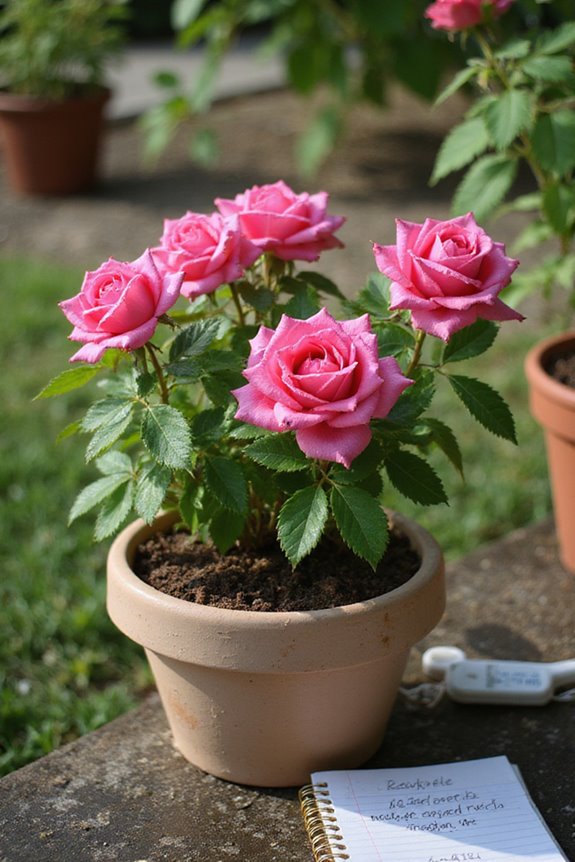
When it comes to nurturing our beloved roses, documenting our soil refresh process is a game changer! By meticulously recording initial soil conditions—like texture, drainage, and pH—we set the stage for success. Let’s jot down the specific amendments we use each year, noting their types, amounts, and sources to better understand their amendment impact.
Don’t forget to track our mixing techniques and monitor soil moisture levels as we nurture those budding beauties. Keeping a log of mulch types and depths helps maintain an ideal soil composition for robust growth. Plus, documenting all these details allows us to correlate plant health with our efforts. Together, let’s create a flourishing garden that thrives on our diligent records!
Preparing for Winter Protection
As we wrap up our documentation for the soil refresh process, it’s time to focus on preparing our roses for the cold months ahead! Winter protection is essential for keeping our beloved blooms healthy and thriving. First, let’s mound 6 to 10 inches of soil around the rose crowns, using soil from a different area to avoid root damage. For extra soil insulation, we recommend a thick organic mulch layer—straw or bark works wonders! Next, let’s gently tie canes together with soft cloth to protect them from harsh winds. Finally, consider using rose cones or burlap wraps for added coverage. With our roses snug and cozy, they’ll be ready to bloom beautifully come spring! Let’s tackle winter together!
Frequently Asked Questions
How Often Should I Refresh My Potting Mix for Roses?
We should refresh our potting mix for roses annually to guarantee rose health. Regularly replacing nutrients helps maintain vibrant blooms and strong roots, keeping our plants thriving throughout the growing season. Let’s keep them flourishing!
Can I Use Leftover Potting Mix for Other Plants?
Can we really use leftover potting mix for other plants? Absolutely! Mixing it with compost benefits nutrient levels and enhances soil drainage, making it a great option for many hardy plants without risking contamination issues.
What Signs Indicate My Roses Need Immediate Soil Refresh?
We notice our roses showing yellowing leaves and stunted growth, indicating they need immediate soil refresh. Addressing these symptoms can rejuvenate their health, ensuring stronger blooms and a thriving garden environment for our beloved plants.
Is It Necessary to Sterilize Used Potting Mix Before Reuse?
Think of our potting mix as a garden’s heartbeat. It’s essential to sterilize it before reuse to fend off soil pathogens, ensuring nutrient retention for vibrant growth. Neglecting this could jeopardize our plants’ health.
Can I Use Synthetic Fertilizers Instead of Organic Amendments?
Yes, we can use synthetic fertilizers instead of organic amendments for a quick nutrient boost. However, we should consider the long-term soil health benefits that organic amendments provide, creating a sustainable gardening environment.