As an Amazon Associate, we earn from qualifying purchases. Some links on this site are affiliate links at no extra cost to you. Our recommendations are based on thorough research and editorial judgment.


How To Remove Scale Insects On Roses?

To tackle those pesky scale insects on our roses, we should first identify them as those waxy bumps, often gray or white. Let’s encourage natural predators like ladybugs! We can prune infested canes, or even hand-pick the little critters using soapy water. For stubborn cases, systemic insecticides like Orthene paired with horticultural oils will work wonders—especially when crawlers emerge! Stay vigilant and keep our gardens thriving, and we’ll explore even more effective techniques soon!
Key Takeaways
- Inspect rose canes regularly for scale presence, looking for dirty or crusty appearances.
- Prune heavily infested canes and debris to reduce scale populations.
- Use mechanical methods like hand-picking or brushing with soapy water for small infestations.
- Apply horticultural oils during the dormant season to target overwintering adults and eggs.
- Utilize systemic insecticides when crawlers emerge, repeating applications every 10-14 days for best results.
Identifying Scale Insects on Roses
You may be interested


When it comes to our beloved roses, spotting scale insects is crucial for keeping them thriving and beautiful! These little critters hide as waxy bumps on our roses, often gray, white, or even black, making identification tricky. We’ll notice adult females under their protective scales, while curious reddish-orange crawlers scamper about in spring. Keep an eye on rose canes—if they look dirty or crusty, we might have a scale problem! Their immobility during the later stages can deceive us, but don’t forget: identifying scale life early on is essential for effective management. Knowing insect behavior helps us catch infestations before they wreak havoc, so let’s inspect and conquer the beautiful journey of rose gardening together! Additionally, using effective insect control products can significantly aid in managing scale infestations.
Biological and Natural Control Methods

To keep our roses vibrant and healthy, we can harness the power of biological and natural control methods! Encouraging natural predators is our first line of defense. Ladybugs and green lacewing larvae are fantastic beneficial insects that feast on scale insects. Planting nectar-rich flowers nearby attracts these helpful allies!
We can also use horticultural oils to smother scale insects. Applying these oils during the dormant season helps target overwintering adults and eggs effectively. Timing our treatments with the emergence of crawler-stage scales guarantees maximum impact! Additionally, using organic fertilizers like Jobes Organics can enhance plant health, making them more resilient to pests.
Let’s remember to reduce pesticide use, creating a welcoming habitat for our beneficial insects. Pruning infested canes and monitoring for vulnerable scales keeps our roses thriving! With nature’s help, our gardens can truly flourish!
Recommended Products

EFFECTIVE SPIDER MITE, POWDERY MILDEW & PLANT DISEASE CONTROL – Natural miticide and spider mite killer effective against two-spotted spider mites, broad mites, russet mites, whiteflies, aphids, powdery mildew, and downy mildew on vegetables, flowers, houseplants, indoor plants, ornamentals, and garden crops.

DEFENDS YOUR PLANTS - Monterey 70% Neem Oil controls black spot, powdery mildew, rust, needle rust, downy mildew, twig & twip blight, anthracnose, scab and flower, botrytis, alternaria, and other fungal diseases.
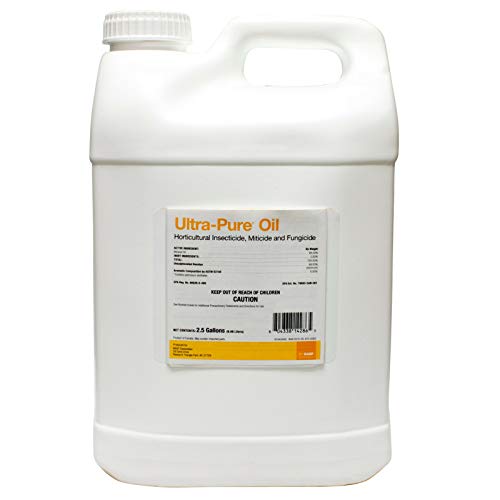
Horticultural Oil: 98% mineral oil insecticide, miticide, and fungicide for comprehensive plant protection; Effective horticultural spray oil
Cultural and Mechanical Control Techniques

Cultural and mechanical control techniques are essential tools in our gardening arsenal, and they can make a world of difference in battling those pesky scale insects on our beloved roses! First, let’s tackle pruning techniques. By selectively cutting back heavily infested canes and removing old debris, we reduce habitats for those troublesome pests. Regular monitoring and inspection keep infestations in check—don’t overlook those crawling scale babies! For mechanical removal, hand-picking or using a soft brush with soapy water can be effective for smaller infestations. Plus, boosting our roses with proper habitat management, like ensuring good sunlight and healthy soil, helps create a resilient environment. Additionally, consider incorporating regular garden monitoring practices to identify pest problems early. Together, we can keep our roses thriving and scale-free! Let’s get to it!
Recommended Products

Great garden shears for serious gardeners. This is a heavy, high quality pruning shear you’ll be proud to own or gift. These garden pruners are a classic design and feel expensive. Every gardener needs this pruner, but most gardeners don’t have one.

HARDENED STAINLESS STEEL BLADES: Designed with straight sharp blades for precision snips and cuts, these gardening scissors are great for pruning fruit trees, bonsai, and thorny bushes. Pruning shears are durable, sharp, and come with an easy safety lock for storage.

Chemical and Horticultural Treatments

Now that we’ve armed ourselves with cultural and mechanical control techniques, let’s explore the world of chemical and horticultural treatments! For those stubborn scale infestations, systemic insecticides like Orthene can be a game changer. They’re absorbed into the plant, directly targeting the pests. Don’t forget to pair these with horticultural oils; they penetrate that waxy cover, making the scales vulnerable to the insecticides! Timing is essential, so spray when the crawlers emerge early in the season. Applying higher concentrations during dormancy effectively controls overwintering adults too. We should repeat applications every 10-14 days for best results. By combining these methods, we can keep our roses healthy and vibrant, creating a beautiful blooming spectacle we all love! Additionally, referring to the companion planting techniques can further enhance the effectiveness of your pest control efforts.
Recommended Products

CROP, GARDEN & HOUSEPLANT INSECT CONTROL. Trifecta Crop Control all-natural, plant-based formula effectively combats destructive spider mites, aphids, whiteflies, fungus gnats, and other soft-bodied pests on indoor and outdoor plants. Our biodegradable, eco-friendly solution is safe for use on edible crops, without chemical residues. Our gentle yet potent plant spray suffocates and dehydrates pests without harming beneficial insects or the environment, making it ideal for organic gardening.

EFFECTIVE SPIDER MITE, POWDERY MILDEW & PLANT DISEASE CONTROL – Natural miticide and spider mite killer effective against two-spotted spider mites, broad mites, russet mites, whiteflies, aphids, powdery mildew, and downy mildew on vegetables, flowers, houseplants, indoor plants, ornamentals, and garden crops.
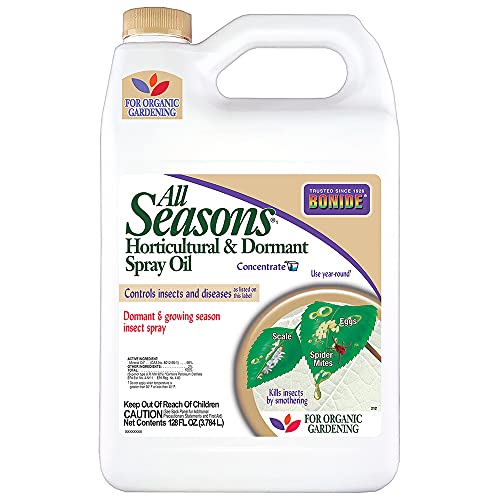
Control insects and diseases in your home garden with All Seasons Horticultural & Dormant Spray Oil Concentrate; use year-round to control listed insects and diseases
Preventive Measures for Scale Insect Management

When it comes to keeping scale insects at bay, proactive measures can truly make a difference in our rose gardens! First, let’s practice preventive watering; keeping our roses hydrated without overdoing it helps promote plant vigor, making them less susceptible to infestations. Next, we need to focus on nitrogen management—avoiding excessive fertilization guarantees we don’t end up with overly lush growth that attracts scale insects. Regularly cleaning up debris and weeds around our roses eliminates potential hosts for these pests. Additionally, we should inspect new plants before adding them, keeping our gardens safe! Let’s also consider companion planting with nectar-rich flowers to attract helpful insects that naturally control scale populations. Together, we’ll create a thriving rose paradise, free from scale worries! Incorporating heavy-duty pest control products can provide an extra layer of protection against these pests.
Recommended Products

SUPER CONCENTRATE MAKES 1,000 GALLONS - Earth's Ally 3 in 1 Plant Spray Super Concentrate creates 1,000 gallons of multi-purpose pest and fungus spray that works as an insecticide, miticide and fungicide. The formula effectively controls insects and common plant diseases with a synergistic blend of botanical oils.


BEST NATURAL SOLUTION TO BEAT MILDEW, MITES, AND MOLD - Crop Control is hands down the BEST choice to protect and cure Powdery Mildew, Spider Mites, Russet Mites, Broad Mites, Botrytis, Grey Mold, Aphids, fungal and parasitic species on plants. Uses plants natural defense systems to defend with zero harsh chemicals or toxins
Frequently Asked Questions
Can I Use Vinegar to Treat Scale Insects on Roses?
“An ounce of prevention is worth a pound of cure.” Using vinegar application can assist with scale insects, but we should dilute it properly. Exploring natural remedies, like insecticidal soaps, might be safer for our roses.
How Often Should I Inspect My Roses for Scale?
We should inspect our roses weekly during crawler emergence, using best practices like sticky tape and yellow cards as inspection tools. Frequent checks help catch infestations early, ensuring healthier plants and reducing future pest problems.
What Are the Signs of Severe Scale Infestations?
Have we noticed yellowing leaves and stunted growth? These are signs of severe scale damage. Treatments exist, but we must act quickly to protect our plants from further decline and restore their health.
Can Scale Insects Harm Other Plants in My Garden?
Yes, scale insects can harm other plants in our garden. Understanding their behaviors helps with effective garden pest management. Regular monitoring and cultural practices can minimize their impact on various plant species we nurture.
How Do Climate Changes Affect Scale Insect Populations?
Climate variability can increase scale insect populations by up to 300% in warmer conditions. We’ve noticed how their adaptation fails during extreme weather, leading to unpredictable outbreaks and impacting our gardens more dramatically than ever.