As an Amazon Associate, we earn from qualifying purchases. Some links on this site are affiliate links at no extra cost to you. Our recommendations are based on thorough research and editorial judgment.

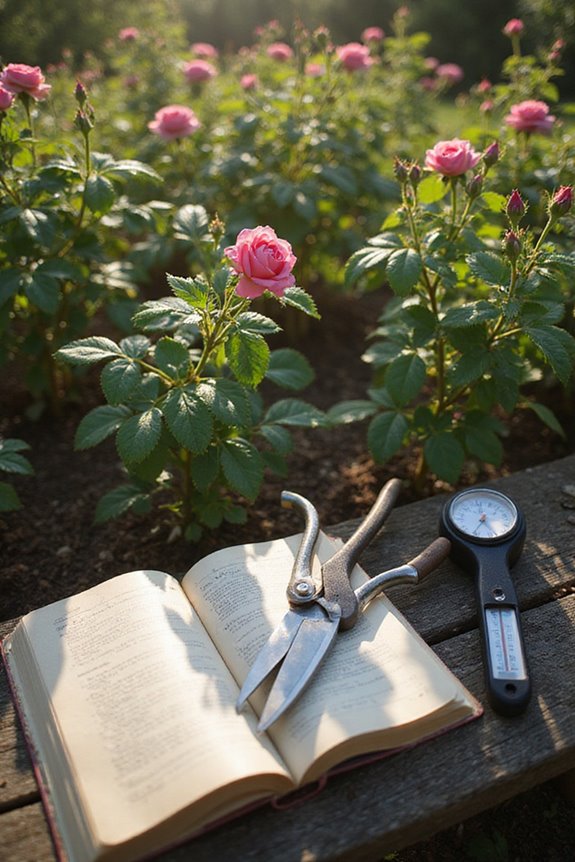
How To Time Spring Pruning With Bud Break?

Timing spring pruning with bud break is key to nurturing our gardens! As temperatures rise and days lengthen, we need to prune just before bud break, ideally in early spring. This guarantees healthy wound closure and keeps stress at bay. Look for swelling buds as our cue to act! Prune dead or diseased wood and limit cuts to 10-20% of live branches for peak vigor. Excitingly, we’ll also discover ways to shape our plants for abundant blooms and fruitful harvests!
Key Takeaways
- Prune in early spring, ideally from late March to early April, before bud break starts to promote healthy plant recovery.
- Recognize the signs of bud break, such as swelling buds and tender shoots, to determine the right time for pruning.
- Limit pruning to 10-20% of live branches, as excessive cutting can stress the plant and hinder recovery.
- Use sharp, clean tools for precise cuts during pruning to minimize damage and promote swift wound healing.
- Prune spring-flowering shrubs only after blooming to preserve their flower buds while timing interventions for optimal growth.
Understanding Bud Break and Its Importance
You may be interested



Spring is an exciting time in the garden, and understanding bud break is key to revealing the season’s potential! As temperatures rise and days lengthen, we witness a marvelous hormonal response in our plants. Buds swell and burst open, leading to new leaves, blossoms, or fruit. It’s nature’s way of saying, “Let’s grow!” Ensuring our plants have adequate nutrients during this pivotal time is essential, as sap flow increases, delivering much-needed water. Look for those tender green shoots emerging from the protected buds, signaling the start of active photosynthesis. Observing these changes can inform us about pruning and pest management. Additionally, ensuring the right nutrient content in the soil can significantly enhance the growth and health of plants during this critical period. Let’s embrace this vibrant moment, encouraging our gardens to flourish while we cultivate a bountiful spring together!
The Ideal Timing for Pruning

As the buds around us swell with promise, timing our pruning efforts becomes essential for nurturing a thriving garden! We’ve found that the ideal time for spring pruning is generally before bud break. This timing promotes healthy wound closure and minimizes stress on our plants. Let’s use effective pruning techniques to keep our trees looking neat and vibrant. Remember, for summer-flowering shrubs, we can prune after buds swell but before leaf growth begins without risking blooms! Early spring, from late March to early April, is perfect for gently removing dead or damaged branches—just limit it to about 10-20% of live branches. Together, we can create the ideal conditions for our gardens to flourish, filled with life and color! To enhance our pruning efforts, it’s beneficial to invest in affordable hand tool sets that ensure we’re well-equipped for the task.
Recommended Products

EFCUT C30 Wood Chipper Shredder has a 15.6 inch cutting rotor with 2 blades + 6 hammers turning out smaller shreds with high feeding speed, grilling device on discharge outlet turning shreds and leaves on branches into mulches

Makita-built outer rotor BL Brushless motor direct-drive system provides high power efficiency equivalent to a 32cc gas chain saw

Zenport 6-Foot Telescopic Fruit Picker ZL6146A Box of 8
Effects of Pruning on Tree Health

Pruning cultivates a deep connection to tree health, transforming our leafy friends into vibrant specimens full of life! The pruning benefits are clear: strategically cutting back branches fosters tree vigor and enhances growth potential. While we must be cautious not to remove over 20% of live branches—excess can set the tree back—proper timing in spring allows for swift wound healing and minimizes disease risks. By making cuts before bud break, we allow trees to focus on recovery and new growth rather than excessive stress. Remember, healthy trees lead to lush canopies and bountiful fruit! Furthermore, using thorn-proof gloves during the pruning process will not only protect your hands but also improve your overall gardening experience. So, gear up, grab those pruners, and let’s keep our trees thriving for years to come—happy pruning!
Pruning Different Flowering Types

When it comes to nurturing our vibrant gardens, understanding how to prune different flowering types can make all the difference! For spring-flowering shrubs like lilacs and azaleas, we should use careful pruning techniques right after they bloom. This preserves their flower buds for the following year! On the other hand, summer-flowering beauties, such as potentilla and Japanese spirea, thrive when pruned in late winter before bud break.
It’s also crucial to reflect on overgrown shrubs that might need rejuvenation—heavy pruning in early spring helps them recover! By respecting their flowering habits and timing our efforts, we can guarantee a dazzling display in our gardens. Additionally, using durable garden tools will enhance our efficiency and comfort during the pruning process. Let’s prune wisely, allowing our flowering friends to flourish beautifully!
Recommended Products

CUT & TRIM: Professional Grade heavy duty grass scissors made of drop forged steel. Multi use shears for cutting and trimming grass, shrubs and flowers.
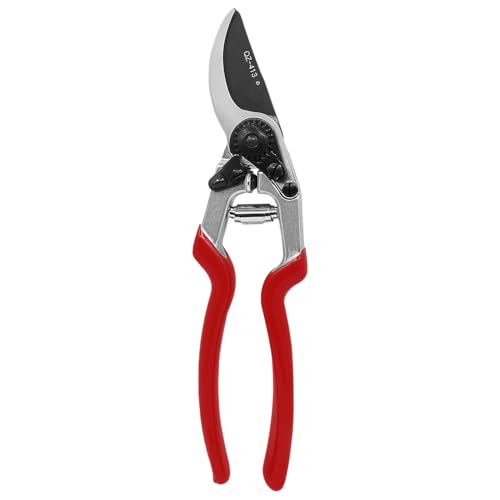
Razor sharp coated carbon steel blade

Narrow pointed blade allows easy access to twiggy branches and assures a close cut
Seasonal Timing Guidelines for Pruning
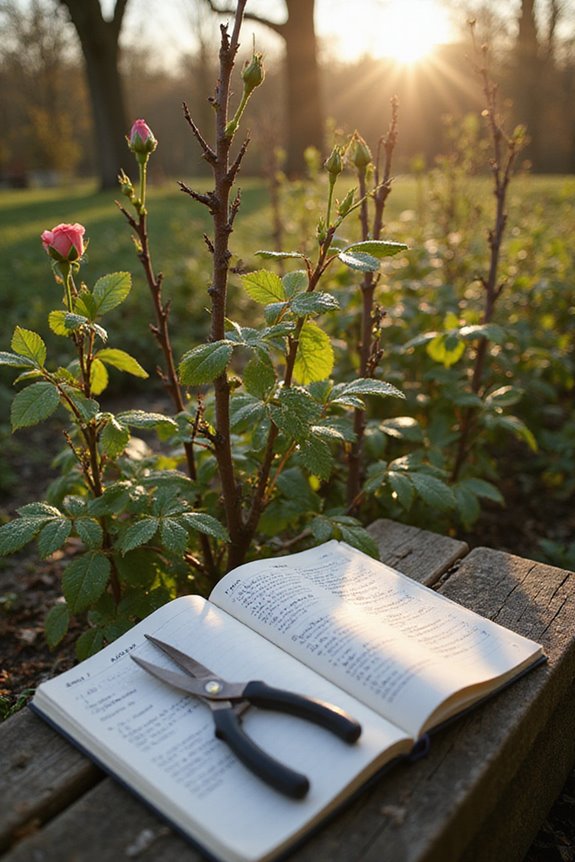
Timing is everything in the garden, and knowing when to prune can set the stage for stunning growth and beautiful blooms! To kick off our pruning schedules, we should aim for late winter or early spring—before buds break. This minimizes stress and fungal risk. But let’s avoid those soft spots during bud swelling or flowering!
For most deciduous trees and shrubs, pruning before bud break is essential for healthy growth. Remember, though some spring-flowering vines, like wisteria, need a post-flowering cut. Seasonal variations in climate may shift our timings slightly, so keep an eye on your unique environment. Following these guidelines not only invigorates our plants but also guarantees they thrive with vigor and vitality. Also, using the right ergonomic tools can greatly enhance the pruning experience and improve results. Happy gardening!
Recommended Products
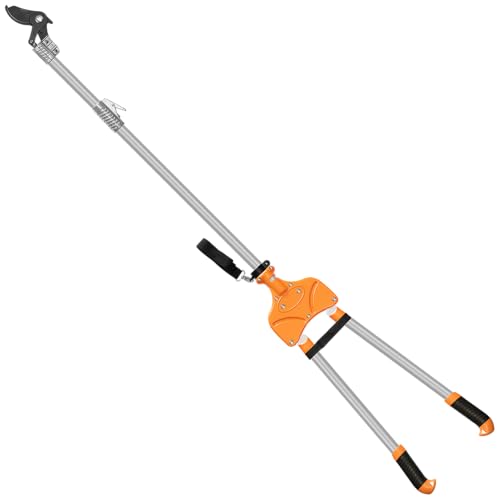
96-INCH TELESCOPIC REACH: Trim branches, suckers, and new growth on tall trees, hedges, and overgrown shrubs, all without a ladder.

Brand name: Zenport

Great garden shears for serious gardeners. This is a heavy, high quality pruning shear you’ll be proud to own or gift. These garden pruners are a classic design and feel expensive. Every gardener needs this pruner, but most gardeners don’t have one.
Tools and Techniques for Effective Pruning
The right tools can make all the difference in achieving superb results with our pruning tasks! For accurate cuts, let’s equip ourselves with high-quality pruning tools like sharp hand pruners for small branches and loppers for those thicker limbs. We can master cutting techniques, such as the three-cut method to avoid bark tearing. Using a pole pruner can help us reach higher branches effortlessly, while a pruning saw will tackle anything over 2 inches. Remember, sharp, clean blades guarantee smooth cuts and faster healing. With the right tools and methods, we’ll transform our gardens into a beautiful oasis! So, let’s grab our tools, channel our inner gardeners, and get ready to prune! Happy gardening!
Recommended Products

POWERFUL CUTTING PERFORMANCE – Easily cut through branches up to 1.5 inches thick with reliable cordless power for efficient pruning

Corona's Arborist Tree Pruning system includes two 6 foot poles, a MAXForged DualCOMPOUND action pruning head and RazorTOOTH saw

Perfect pruner to help you reach those upper branches when landscaping
Safety Considerations When Pruning
Pruning can be a rewarding experience, but let’s not forget that safety is just as important as our tools and techniques! We need to be aware of pruning hazards and follow PPE guidelines to keep ourselves safe. Safety glasses with side shields are must-haves to protect our eyes from flying debris, while hard hats guard against falling branches. Let’s wear long sleeves and gloves to avoid cuts and scratches, and don’t forget those steel-toed boots!
When using ladders, we should never carry tools in our hands—safety first! Finally, it is crucial to stay aware of our surroundings. Checking the weather and looking out for dangerous plants or electrical hazards makes us super gardeners, ready to tackle spring with enthusiasm and fashion!
Managing Pest and Disease Risks Through Pruning
When we think about fostering a healthy garden, constantly managing pest and disease risks should be at the forefront of our minds! Timing our pruning wisely is essential. By pruning just before bud break, we help our plants heal quickly, minimizing vulnerable entry points for pests and diseases. Let’s remember to avoid those damp days to keep fungal spores at bay. By removing dead or damaged wood, we cut back on pest habitats, enhancing our overall pest management strategy. Plus, keeping our tools clean stops the spread of disease! Pruning at the right time not only promotes healthy growth but also serves as a crucial part of disease prevention. Together, we can create a flourishing garden environment!
Recommended Products

CUTCO Forever Guarantee provides for free sharpening and replacement forever.

2-in-1 Versatile Design: This electric pole pruner features a dual-function design, working as a standalone electric pruning shear or attached to an extendable pole for high branch trimming. Ideal for backyard trees, tall hedges, and orchard maintenance, it covers both low and high pruning tasks, offering convenience, efficiency, and precise cuts in one tool
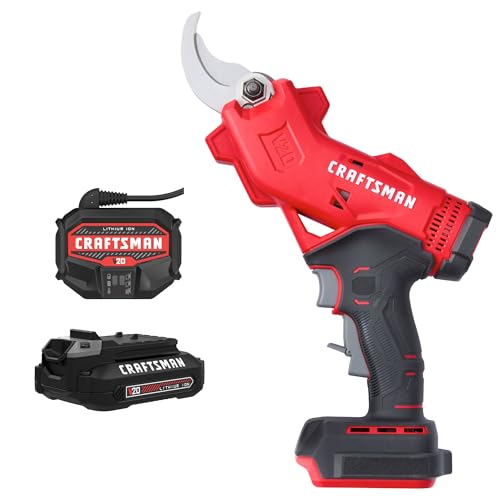
Powerful, cordless convenience: designed to deliver dependable performance
Enhancing Plant Structure and Growth Through Pruning Timing
Timing our pruning not only manages pest risks but also shapes the very structure and growth of our plants! By pruning just before bud break, we promote rapid healing and encourage healthy growth from new buds, striking that all-important structural balance. As we remove weak or competing branches early on, we enhance our plants’ framework and minimize future issues. This boosts our pruning efficiency, ensuring even growth distribution across the plant. Remember, each cut should define the form of the plant, opening up the canopy for better light exposure. So, let’s embrace early spring pruning to maximize both health and beauty, laying the groundwork for stunning blooms and fruitful harvests ahead! Happy pruning!
Frequently Asked Questions
Can I Prune During Hot Summer Months?
Yes, we can prune during hot summer months, but let’s be cautious. Excessive summer pruning may cause heat stress and weaken our trees. We should focus on minor trims and prioritize their overall health.
What Happens if I Prune Too Late?
Pruning too late is like cutting off a flower’s roots; it stunts growth. We must embrace timing’s importance in our pruning techniques, lest we risk damaging future blooms and weakening our trees’ overall health.
How Does Weather Affect Pruning Timing?
Weather greatly affects our pruning techniques; seasonal exposure influences plant resilience and growth. By selecting cooler, stable conditions for pruning, we minimize stress on our plants, enhancing recovery and reducing the risk of disease and frost damage.
Should I Prune Diseased Branches Immediately?
Yes, we should prune diseased branches immediately for effective disease management. Timely branch removal helps prevent the spread of pathogens, ensuring our trees stay healthy and safe. Let’s prioritize prompt action to protect our plants!
Can Pruning Improve Flowering in Non-Flowering Plants?
Absolutely, we’ve seen how effective pruning techniques can rejuvenate non-flowering plants. By activating hidden buds and shifting hormonal balance, we can encourage flowering in even the most reluctant flowering plants, boosting their overall health and production.