As an Amazon Associate, we earn from qualifying purchases. Some links on this site are affiliate links at no extra cost to you. Our recommendations are based on thorough research and editorial judgment.


When Is It Too Late To Prune Roses?

When it comes to pruning roses, timing is everything! Ideally, we want to prune before new growth begins, usually between late winter and early spring. If we see swollen buds or signs of dieback, it might be getting late. Don’t panic if we’ve missed the mark; we can still remove dead or damaged wood to boost vigor. To nurture our blooms back to life, let’s focus on proper post-pruning care! Exciting tips await us!
Key Takeaways
- Late pruning signs include swollen, reddish leaf buds and canes showing signs of dieback, indicating it’s time to act quickly.
- Prompt pruning is essential if delayed to prevent weakened blooms and hindered vigor, focusing on dead or damaged canes.
- For one-time bloomers, pruning should occur immediately after flowering to avoid missing the blooming cycle.
- Use gentle pruning techniques after a late start, cutting above healthy outward-facing buds to minimize shock.
- Seal larger cuts after late pruning to prevent rot and support recovery in your roses.
Understanding the Ideal Timing for Rose Pruning
You may be interested



When we think about pruning our glorious roses, understanding the ideal timing is absolutely vital! Timing varies greatly based on our climate zones. In warmer areas like Zone 9, we’re looking at mid-December to early February, while cooler zones wait until late February or March. Always remember to adjust our pruning techniques seasonally. As we monitor local indicators—like when forsythia blooms or buds start to swell—we can better time our cuts! We must avoid pruning when frost might strike, which could hinder our roses’ glorious growth! Let’s be proactive, pruning before leaf out enhances airflow and blooms! Engaging in careful timing not only boosts our rose’s health but also guarantees a spectacular spring display! Additionally, knowing the seasonal care tips discussed in rose gardening literature can further improve our results. Now, let’s get pruning!
Natural Indicators That Signify Pruning Time
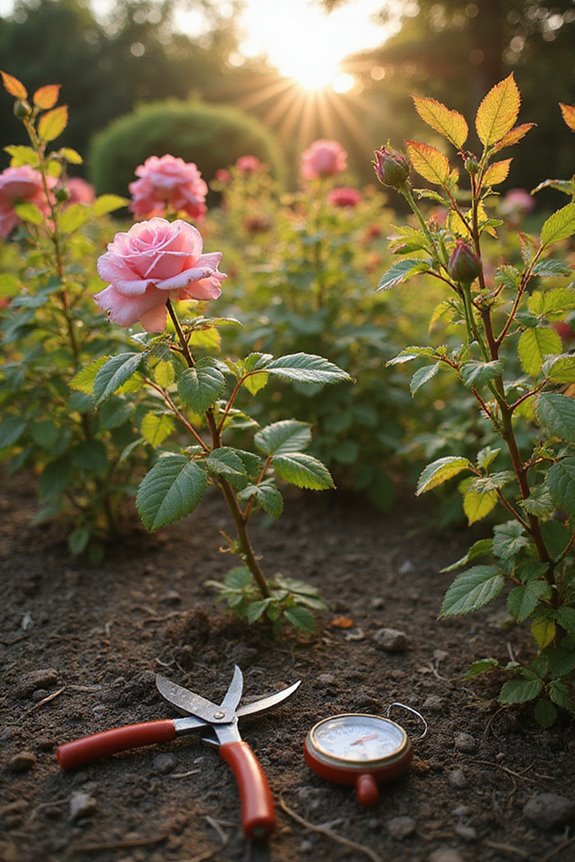
Natural indicators abound when it comes to signaling pruning time for our beloved roses! As we observe those delightful seasonal changes, let’s pay attention to visual cues: swelling buds are a key sign that our roses are waking up! When we see those little bud eyes emerging along the canes, it’s a perfect moment for pruning. Removing any dead or damaged wood not only keeps our plants healthy but also makes space for vigorous new growth! We should also be aware of blooming cycles in our rose varieties, pruning repeat bloomers early before bud break and waiting until after flowering for one-time bloomers. Additionally, understanding soil pH is essential for ensuring that our roses thrive post-pruning, as it influences nutrient availability. So, grab our pruners and get ready to give our roses the care they deserve! Happy gardening!
Risks of Early Pruning: What to Know

Pruning our roses is a delightful task, but timing is everything! When we prune too early, we risk inducing early bud break, leaving tender new growth vulnerable to frost damage. Nobody wants to waste our roses’ stored energy on shoots that just might freeze! Plus, if we don’t let young plants mature, we can create structural damage, as weak canes struggle against wind and stress. Let’s remember: if axillary buds aren’t developing yet, it’s best to hold off on that pruning shears! Instead of worrying about garden aesthetics, let’s guarantee our roses have the strength to thrive all season long. Additionally, monitoring moisture levels is key to ensuring that our plants receive optimal hydration during their growth. Timing can be tricky, but with patience, we’ll enjoy a vibrant, healthy garden! Happy pruning!
Recommended Products

2 feet in length

I-Beam Aluminum Handles – Structural I-beam profile delivers superior durability and flex resistance without added weight, keeping the shears strong yet featherlight in hand.

Swiss Precision Engineering – Crafted in Switzerland for exceptional cutting performance trusted by professionals and home gardeners alike.
Recognizing Signs of Late Pruning

Timing is essential in our quest for healthy, blooming roses! As we assess our roses, let’s watch for clear signs of late pruning. If we notice swollen buds or small leaf buds turning reddish, it’s a signal that growth is already underway—we shouldn’t delay any longer! Pay attention to canes showing signs of dieback: wrinkling or peeling bark suggests they may not recover. Remember, waiting too long can weaken our blooms and restrict vigor. So, let’s prioritize our tools and swiftly remove any dead or damaged canes while maintaining some old growth for the season’s flowers. By recognizing these signs, we can guarantee our roses thrive and delight us with abundant blossoms this year! Additionally, using soil testers can help ensure we provide the best growing conditions for our roses. Let’s keep our gardens flourishing!
Recommended Products

Great garden shears for serious gardeners. This is a heavy, high quality pruning shear you’ll be proud to own or gift. These garden pruners are a classic design and feel expensive. Every gardener needs this pruner, but most gardeners don’t have one.

HARDENED STAINLESS STEEL BLADES: Designed with straight sharp blades for precision snips and cuts, these gardening scissors are great for pruning fruit trees, bonsai, and thorny bushes. Pruning shears are durable, sharp, and come with an easy safety lock for storage.

Impact of Pruning During Active Growth
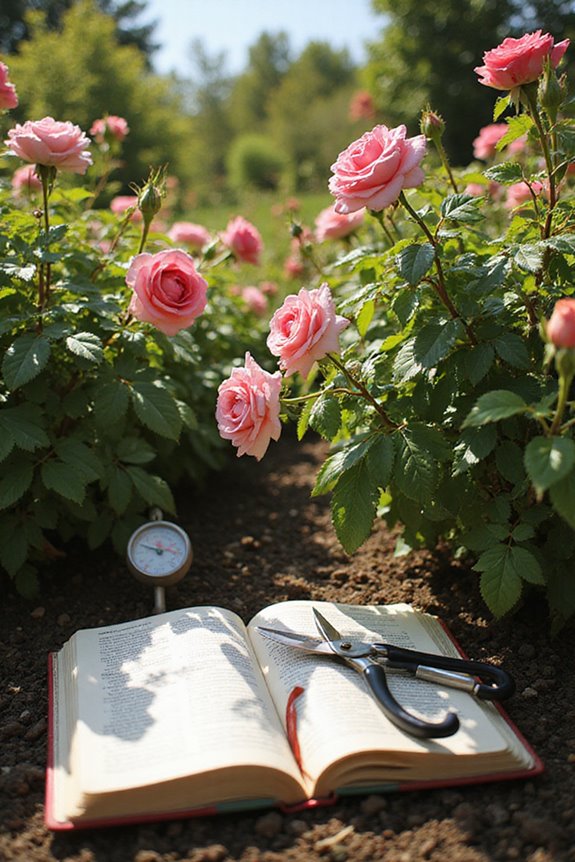
As we plunge into the delightful world of rose care, it’s important to understand how impactful our pruning decisions can be during active growth periods! Pruning benefits us by stimulating growth and redirecting energy toward new stems and vibrant foliage. When we remove dead or nonproductive wood, we enhance flower production in upcoming cycles! Light deadheading during summer keeps our plants blooming beautifully without exhausting their reserves. Plus, thoughtful pruning improves plant health and boosts air circulation, which is crucial for pest management. By strategically timing our cuts, we encourage continuous blooms without compromising current flowers. Additionally, using high-quality trimming scissors ensures cleaner cuts, promoting overall plant health. Let’s delight in our roses together, ensuring they flourish with each snip and stay healthy and resilient throughout the season!
Light vs. Hard Pruning: Understanding the Difference
Understanding the nuances between light and hard pruning can greatly affect our rose gardens’ aesthetics and health! Light pruning focuses on removing dead or overcrowded stems without drastically altering the plant’s size—think of it as a revitalizing trim. This method keeps our roses looking tidy and promotes steady flower production. On the other hand, hard pruning involves cutting back stems considerably, often by up to two-thirds. While it can shock the plant initially, it stimulates wonderful new growth and vibrant blooms in the following seasons! It’s especially beneficial for hybrid teas and floribundas. Remember, knowing the right approach can transform our roses into stunning showpieces! Let’s embrace both techniques to keep our rose gardens flourishing!
Regional Variations: Adapting Pruning to Your Zone
When it comes to pruning roses, we can’t overlook the significance of adapting our approach based on regional variations! The timing of our pruning can depend heavily on our USDA hardiness zone. For colder Zones 3 and 4, let’s plan major pruning for May, while Zones 5 to 7 should look to March and April as prime months. In warmer Zones 8 and up, we can start pruning as early as February! Utilizing zone specific techniques, we should also pay attention to natural cues like forsythia blooms. These adaptive pruning practices will help us optimize growth and minimize frost damage. Remember, monitoring bud color and activity is crucial—let’s keep our roses thriving all season long!
Best Practices for Late Pruning
Timing is everything in the world of rose pruning, and late pruning can still yield fantastic results if we grasp the best practices! When we prune later, let’s focus on gentle pruning techniques—remove only dead, diseased, or weak stems. This helps protect rose health while avoiding shock. Aim for cuts above healthy outward-facing buds to encourage strong new growth!
We should also keep some leaf area for photosynthesis; it’s essential! Remember to avoid heavy thinning, which can stress our beloved plants, but do open up the center for better air circulation. Finally, let’s seal larger cuts to prevent rot and promote resilience. Embrace late pruning as another chance to nurture our roses and boost their beauty!
Recommended Products

Seal & Protect Tree Wounds Fast: Thick 2X concentrated formula designed to coat and seal cuts, cracks, and bark damage. This 1 gallon tree wound sealer supports natural healing by creating a durable moisture-resistant layer. Works as a reliable tree wound dressing for pruning, storm recovery, or grafting.

Item Package Dimension: 9.0599999907588L x 8.3099999915238W x 5.5899999942982H inches

Tree Wound Sealer: Fast, easy, and effective dressing designed to aid in the healing of any kind of pruning cut, graft, or wound.
Recovery Strategies for Roses After Late Pruning
As we commence on the journey of recovery for our beloved roses after late pruning, we can’t underestimate the importance of nurturing their health and resilience! First off, let’s focus on foliage recovery. By applying a balanced fertilizer right after pruning, we guarantee our roses have the nutrient balance they need for strong regrowth. It’s essential to maintain consistent soil moisture—deep watering helps roots recover without causing shock. And don’t forget to mulch, just keep it away from stems! Light corrective pruning during the summer will encourage fuller growth. Remember, watching new shoots emerge means our roses are bouncing back! Let’s be patient—healthy foliage this season means gorgeous blooms next year! Cheers to thriving roses!
Supporting Rose Health With Post-Pruning Care
Ensuring our roses thrive after pruning hinges on the right post-care strategies! First, let’s talk about pruning wound care. Immediately seal those fresh cuts with a specialized pruning sealer, like Bonide’s Garden Rich, to prevent rot and repel pesky borers. Next, we’ll spread the love with post pruning nutrition. After pruning, it’s essential we feed our roses long-lasting organic fertilizers tailored for roses, supporting vigorous growth and blooming. Remember, cleaning the surrounding area is key—dispose of any debris to avoid disease lurking around. Finally, let’s mulch carefully with clean materials, regulating soil temperature and moisture for robust roses! With these steps, we’ll watch our roses flourish like never before!
Recommended Products

OMRI CERTIFIED Organic Materials Review Institute Listed for Organic Production Approved as GS Plant Foods Organic Liquid Fish Concentrate 2-3-1. Suitable for organic growing under OMRI and NOP standards.

ORGANIC MATERIALS REVIEW INSTITUTE LISTED FOR TRUSTED GARDEN CARE Certified by OMRI for use in organic growing, GS Plant Foods Liquid Fish & Kelp Fertilizer delivers reliable, natural nutrition for vegetables, flowers, and shrubs.

TURBO-CHARGED LIQUID COMPOST - Specifically designed to promote soil health, this all-purpose compost fertilizer organic is good for nearly anything you grow. Root Ruckus works to promote plant and root growth, as well as increase fruiting, blooms, and harvest. It protects against plant shock and increases water retention. Root Ruckus humic acid for lawn increases the natural energy processes of your plants, leading to a stronger root system and improves the plants immune system.
Frequently Asked Questions
Recommended Products

Great garden shears for serious gardeners. This is a heavy, high quality pruning shear you’ll be proud to own or gift. These garden pruners are a classic design and feel expensive. Every gardener needs this pruner, but most gardeners don’t have one.
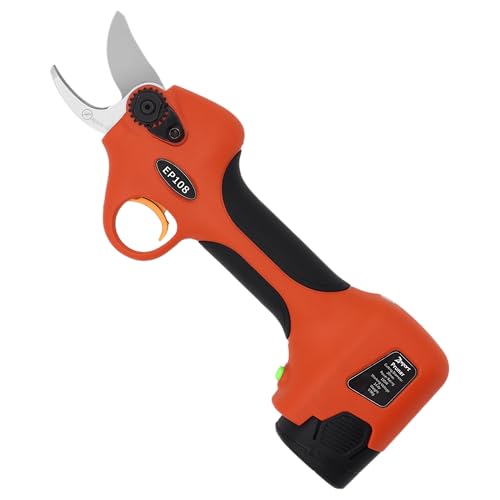
Cordless battery powered electric pruner, 1-Inch Cut

Power X-Change - The professional cordless loppers GP-LS 18/35 Li BL-Solo is part of the Einhell Power X-Change family, in which batteries and devices can be combined with each other.
What Tools Are Best for Pruning Roses Effectively?
We’re not crafting a rose bouquet here—pruning requires finesse! Bypass pruners for precision, loppers for thick canes, and folded saws for bulky branches are essential. With regular techniques, our roses thrive beautifully with proper pruning frequency!
How Can I Identify Dead or Damaged Wood on Roses?
To identify deadwood and effectively assess rose health, we should look for discolored stems, dry texture, and lack of new growth. Conducting scratch tests on canes can also reveal crucial information about their condition.
Can I Prune Roses in the Fall Instead?
When it comes to pruning techniques, we can definitely prune roses in the fall. It boosts fall flowering, but we must tread carefully to avoid damaging new growth before the winter chill sets in.
How Often Should I Fertilize After Pruning Roses?
We should fertilize roses every 2 to 4 weeks after pruning, adjusting based on their growth. Following our pruning schedule carefully helps guarantee ideal fertilization frequency, promoting healthy blooms throughout the growing season.
What Types of Mulch Are Best for Roses?
For our roses, we love using organic mulch like shredded bark or compost. The mulch benefits include moisture retention, weed suppression, and enriched soil, keeping our plants healthy and thriving throughout the growing season.