As an Amazon Associate, we earn from qualifying purchases. Some links on this site are affiliate links at no extra cost to you. Our recommendations are based on thorough research and editorial judgment.

Is Summer Deadheading Enough For Repeat Roses?

Summer deadheading is essential, but it’s not a “set it and forget it” task for our repeat roses! Regularly removing spent blooms helps redirect energy into new growth, ensuring those vibrant flowers keep coming. We should aim to deadhead weekly, using sharp secateurs to make clean cuts just below the faded blooms. This technique not only encourages plentiful blooms but also promotes rose health. Want to know more about caring for our beloved roses? Let’s explore further!
Key Takeaways
- Summer deadheading is crucial for repeat-flowering roses to stimulate continuous blooming throughout the growing season.
- Regular deadheading every week maximizes flower production by redirecting energy from seed formation to new bud development.
- Utilizing sharp pruning shears ensures clean cuts, reducing plant stress and promoting robust growth.
- Maintaining some foliage while deadheading supports overall plant health and encourages vibrant blooms.
- For optimal performance, combine deadheading with balanced fertilization to enhance nutrient utilization and flower quality.
Understanding the Importance of Deadheading for Repeat Roses
You may be interested



When we think about creating a vibrant, blooming garden, understanding the importance of deadheading repeat roses is essential! Let’s face it, those deadheading myths can cloud our judgment. By removing spent blooms, we redirect the plant’s energy from creating rose hips to producing new, stunning flowers, which greatly enhances flower longevity! We can truly maximize the beauty of hybrid teas, floribundas, and grandifloras with regular deadheading. Remember, deadheading isn’t just about looks; it stimulates extra blooms while keeping the plant tidy. If we cherish that continuous blossoming throughout the growing season, then let’s commit to this simple practice! With each snip, we can encourage faster rebloom and enjoy a radiant display that keeps our gardens enchanting all summer long! 🌹 Moreover, using pruning shears designed for roses not only ensures clean cuts but also reduces plant stress during the process.
The Proper Technique for Effective Deadheading
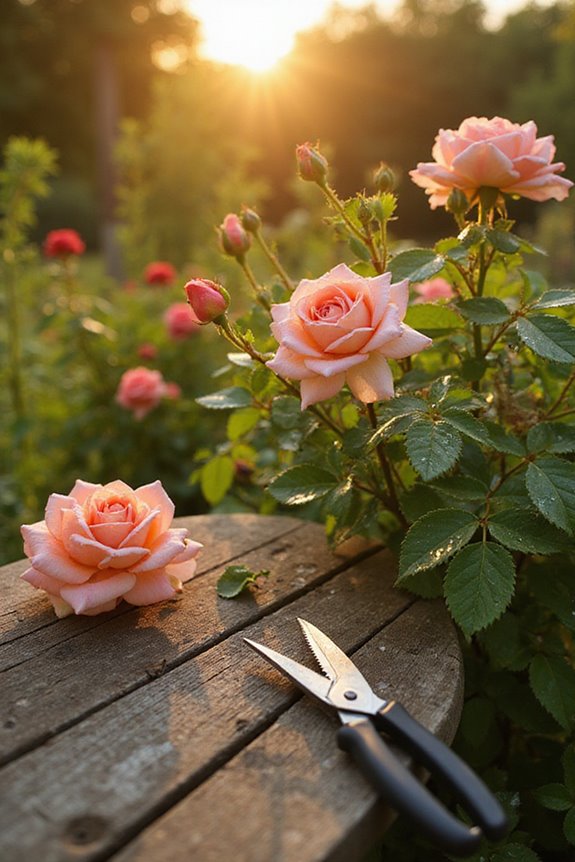
To maximize our roses’ beauty, mastering the proper technique for effective deadheading is our next step! We’ll grab sharp secateurs or deadheading snips—clean cuts minimize damage to stems and boost growth. Always cut just below the faded bloom where it meets the stem, making certain to identify those essential cutting points! For robust roses, aim for the first 5-leaflet leaf beneath the flower. This pruning technique encourages new buds while keeping some foliage for photosynthesis. Remember, we should avoid removing too much foliage; we want our plants healthy and thriving! By regularly deadheading, we guarantee our roses flourish, offering vibrant blooms throughout the season. Additionally, using sharp, high-carbon steel shears will enhance your cutting precision and efficiency. Let’s jump in and give our roses the care they deserve!
Recommended Products

CUTCO Forever Guarantee provides for free sharpening and replacement forever.

[ VERY SHARP & STRONG POWER ] -- The KOMOK professional cordless pruning shears’ blade is forged from SK5 high carbon steel and powered by brushless motor. It is extremely sharp and durable, making it easy to cut 1.65 inch/42 mm branches. Also its service life is 3 to 5 times that of a conventional brush motor. LED digital display shows number of cuts made and current percentage of battery charge. The number of cuts made can be useful to monitor your workload.

【2-in-1 Versatility】From ground-level pruning to tall tree trimming, Prunarbo’s battery pruning shears with pole does it all. Attach the extendable pole (4.4–8.2 ft) to reach high branches without climbing or straining, and enjoy cleaner, faster cuts with total control.This long reach tree pruner makes heavy-duty gardening safer, easier, and twice as efficient — ideal for anyone who wants pro results with zero hassle
Impact of Deadheading on Flower Production
How do we get the most breathtaking blooms from our roses? By mastering deadheading! This simple act redirects energy allocation from seed formation to fresh bud development, boosting our flower yield. With roses bred for rebloom potential, we can enjoy a continuous display of color. When we deadhead promptly—ideally as soon as those blooms start to fade—we’re not just tidying up; we’re prolonging the flowering phase! Regular deadheading can enhance not only the quantity of flowers but also the quality over the season. Additionally, incorporating a balanced fertilizer can significantly support overall plant health, ensuring the nutritional needs of our roses are effectively met throughout the blooming period. So let’s grab those pruners! A little diligence pays off with more vibrant roses that delight us all summer long. Together, we can create a garden bursting with beauty!
Recommended Products

Great garden shears for serious gardeners. This is a heavy, high quality pruning shear you’ll be proud to own or gift. These garden pruners are a classic design and feel expensive. Every gardener needs this pruner, but most gardeners don’t have one.

HARDENED STAINLESS STEEL BLADES: Designed with straight sharp blades for precision snips and cuts, these gardening scissors are great for pruning fruit trees, bonsai, and thorny bushes. Pruning shears are durable, sharp, and come with an easy safety lock for storage.

Precision Plant Care for Professionals and Enthusiasts: These gardening shears are perfect for trimming herbs & flowers; Their compact, fine-tipped, rust-resistant high-carbon steel blades offer precise cutting in tight spaces, making them ideal for daily use in gardens, pots, and on delicate stems; Available in a convenient 12-pack - ideal for florists, landscapers, and nurseries who require multiple shears for continuous, high-volume trimming
Benefits of Deadheading for Rose Health

Deadheading isn’t just a quick gardening task; it’s a delightful practice that greatly boosts the health of our roses! By removing spent blooms, we redirect energy from seed production to new growth, enhancing nutrient utilization and ensuring our plants flourish. This not only helps maintain vibrant, sturdy stems and leaves but also improves air circulation, which is essential for disease prevention! A neat bush looks lovely and reduces the risk of mold and pests thriving on decaying material. Plus, regular deadheading means our roses will reward us with continuous blooms throughout the season! Additionally, using the right rose fertilizer can further enhance blooming and overall plant health. Let’s embrace this easy yet powerful practice, and watch our roses thrive like never before! Happy gardening!
Deadheading and Different Rose Varieties

When we explore the world of roses, it’s clear that different varieties come with their own unique needs and quirks! For our repeat-flowering rose varieties, regular deadheading techniques are essential—they thrive when we snip off spent blooms almost weekly. For those lovely once-flowering shrub roses, we can deadhead to encourage additional blooms but must think about the hips we want for fall. Self-cleaning shrubs do their own work, but a little extra deadheading can boost their performance! Hybrid teas and climbers love it when we cut just above a five-leaflet cluster for robust new growth. Additionally, using high-quality pruning shears can enhance the effectiveness of your deadheading efforts. So, let’s plunge into our roses, ensuring vibrant displays all summer long! Happy gardening, everyone!
Recommended Products

Great garden shears for serious gardeners. This is a heavy, high quality pruning shear you’ll be proud to own or gift. These garden pruners are a classic design and feel expensive. Every gardener needs this pruner, but most gardeners don’t have one.

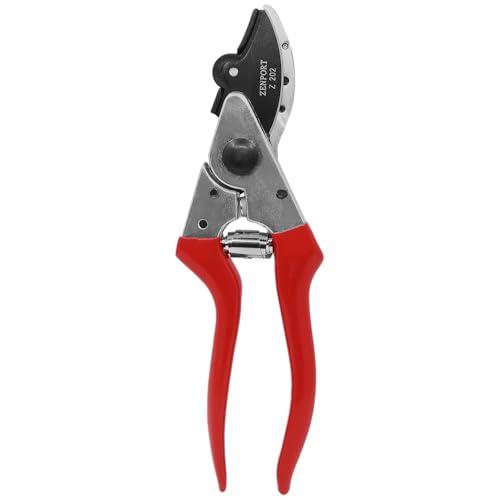
8-inch (203mm) cut-n-hold crew landscape and horticulture pruner
Additional Summer Care Practices for Roses
Summer brings a vibrant wave of blooming joy, and it’s crucial we give our roses the extra TLC they deserve! Let’s not just stop at deadheading; we must consider fertilizer timing. How about feeding every six weeks with a balanced 5-5-5 fertilizer? This promotes healthy growth and repeat blooms!
Next, let’s focus on pest prevention. Regularly inspect for pesky critters, and keep air circulation strong with smart pruning techniques. Remember, light pruning can encourage new blooms in about four weeks!
Don’t forget mulch application! A two to three-inch layer around our roses keeps roots cool, conserves moisture, and suppresses weeds. Together, we can guarantee our roses thrive through the summer, providing beauty and joy in our gardens!
Recommended Products

DEER REPELLENT GRANULES - Our granular repellent is easy to apply and works for deer, rabbit, elk, and moose. It is best used for lower-level ground vegetation, i.e., flowers, crops, bushes, seedlings, ornamental plants, shrubs, garden beds, and plants under 2 feet tall. It uses ingredients that promote strong plant growth and recovery.th and recovery.

You will receive (10) 1.5-cubic foot bags of potting soil per purchase.

All Purpose Fertilizer 10-10-10 is a liquid plant fertilizer designed and meticulously balanced to support your lawn, plants, flowers, and turf through every stage of plant growth. Can Be Used On Any Grass Type. Lawn fertilizer also suitable for gardens or as vegetable fertilizer both indoor and outdoor growth.
Limitations and Exceptions to Deadheading
While we revel in the art of deadheading our roses, it’s crucial we recognize its limitations and exceptions for ideal results! For our repeat-flowering varieties, proper deadheading timing can enhance bloom cycles by redirecting energy from seed formation. However, let’s not forget—old garden roses benefit from leaving hips to support winter hardiness! Some cultivars, like Knock Out® roses, are self-cleaning and look fabulous without deadheading. But don’t wait too late in the season; we should typically stop by early September to confirm our plants can form those essential hips. After all, they’re gearing up for dormancy and winter survival! Understanding individual rose needs helps us make the best decisions for vibrant, robust blooms!
Achieving Optimal Blooming With Comprehensive Care
To achieve the ideal blooming of our repeat-flowering roses, we need to think beyond just deadheading! Yes, it’s vital, but we must also provide ideal fertilizer to keep our roses thriving. Applying a balanced all-purpose fertilizer after the first blooms is essential for species and cultivated rose varieties alike. This guarantees they have the nutrients they need for continued bloom production! Remember to follow up with watering; this maximizes nutrient uptake. We can’t ignore monitoring for diseases either! Healthy plants, with good air circulation from deadheading and pruning, produce more beautiful blooms. Let’s also remove weak stems to guarantee robust growth! By combining these practices, we’ll create a blooming spectacle in our gardens! Happy gardening!
Recommended Products

OMRI CERTIFIED Organic Materials Review Institute Listed for Organic Production Approved as GS Plant Foods Organic Liquid Fish Concentrate 2-3-1. Suitable for organic growing under OMRI and NOP standards.

COMPLETE FLOWERING PLANT NUTRITION: Features 12 essential nutrients in a balanced, water-soluble formula designed for flowering plants. Provides primary, secondary, and micronutrients in one convenient plant food for flowers, ornamentals, and vegetable garden crops during bloom.

You will receive (10) 2-cubic foot bags of potting soil per purchase.
Frequently Asked Questions
How Often Should I Deadhead My Repeat-Flowering Roses?
We should deadhead our repeat-flowering roses regularly throughout the summer using effective deadheading techniques. This encourages a vibrant bloom cycle, ensuring our roses produce continuous flowers while maintaining their health and overall appearance.
Can I Deadhead in Late Summer or Fall?
We can absolutely deadhead in late summer! Using careful techniques, we can enhance fall care. However, let’s remember to stop before frost, ensuring our roses thrive through winter while offering food for helpful wildlife.
What Tools Are Best for Deadheading Roses?
For effective deadheading, we recommend using hand pruners and leather gloves. Incorporating these pruning techniques into our rose maintenance routine can enhance blooming and promote healthy growth, ensuring our garden stays vibrant throughout the season.
Is Deadheading Necessary for Newly Planted Rose Bushes?
In the dance of petals and roots, we find that deadheading isn’t strictly necessary for newly planted rose bushes. Yet, with a gentle touch in our rose bush maintenance, it can indeed enhance new plant care.
How Do Weather Conditions Affect Deadheading Effectiveness?
Weather fluctuations greatly affect our deadheading techniques. Extreme heat or excessive rain can hinder bloom production, while moderate temperatures promote growth. It’s crucial to adapt our practices according to current weather conditions for ideal results.