As an Amazon Associate, we earn from qualifying purchases. Some links on this site are affiliate links at no extra cost to you. Our recommendations are based on thorough research and editorial judgment.

When To Fertilize Roses In Autumn?

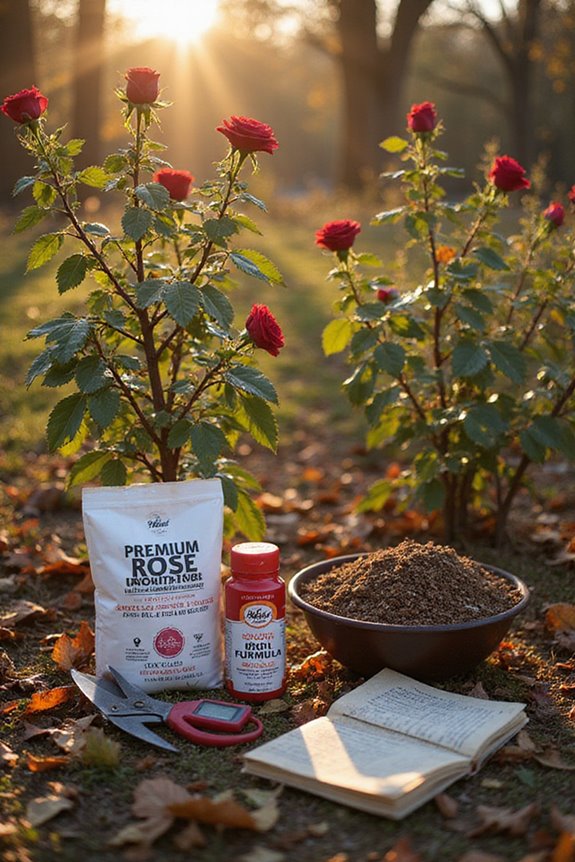
To keep our roses thriving, we should fertilize in autumn, ideally between mid-August and early October! Using slow-release, low-nitrogen fertilizers helps promote strong roots for winter. Think about options like bone meal or alfalfa meal to support energy reserves without stimulating new growth. Remember, we want our roses ready for dormancy without frost damage! Let’s make certain these beauties get the nutrients they need, so they can burst into life come spring! There’s more wisdom ahead!
Key Takeaways
- Fertilize roses in autumn after the active growing season ends, typically mid to late August or early September.
- Stop fertilizing 6 to 8 weeks before the first expected frost to prevent frost damage.
- Use slow-release, low-nitrogen fertilizers to support root and bud health without stimulating excessive growth.
- Complete fertilization by early October to allow roses to build energy reserves for winter.
- Monitor soil moisture and water thoroughly before and after fertilizing to enhance nutrient absorption.
Importance of Autumn Fertilization for Roses
You may be interested

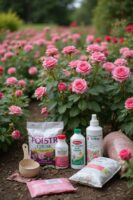

When we think about nurturing our beautiful roses, it’s easy to overlook autumn fertilization, yet it plays an essential role in their overall health! This is the perfect time to enhance root development, setting our roses up for a stunning spring. By using slow-release fertilizers, we promote robust root systems that absorb water and nutrients even during winter dormancy. Strong roots mean improved disease resistance and a healthier plant come spring! Additionally, incorporating calcium-rich fertilizers can further strengthen the cellular structure of the roses, promoting their resilience against harsh conditions. Let’s enrich the soil with phosphorus sources, like bone meal, to boost those reserves essential for flower bud formation! We can’t forget; well-fed roses are better equipped to fend off pests and chilly temperatures. Embrace the autumn season—it’s all about building a thriving foundation for our cherished blooms!
Best Time to Fertilize in Autumn

As autumn gently ushers in cooler temperatures, it’s vital for us to pay attention to our roses and their nutritional needs! Let’s start autumn fertilization once the active growing season ends—usually around mid to late August or early September. We want to guarantee we stop fertilizing about 6 to 8 weeks before the first expected frost. This autumn timing is critical to allow our roses to enter dormancy naturally without tender new growth being frostbitten. For optimum fertilization benefits, we’ll apply a slow-release, low-nitrogen fertilizer to support root and bud health. Remember, monitoring soil moisture is key, so let’s water well before and after fertilizing. By following these guidelines, we can help our roses thrive! Additionally, choosing fertilizers with balanced NPK ratios ensures optimal growth as we prepare for the dormant season.
Recommended Fertilizer Types for Fall Use

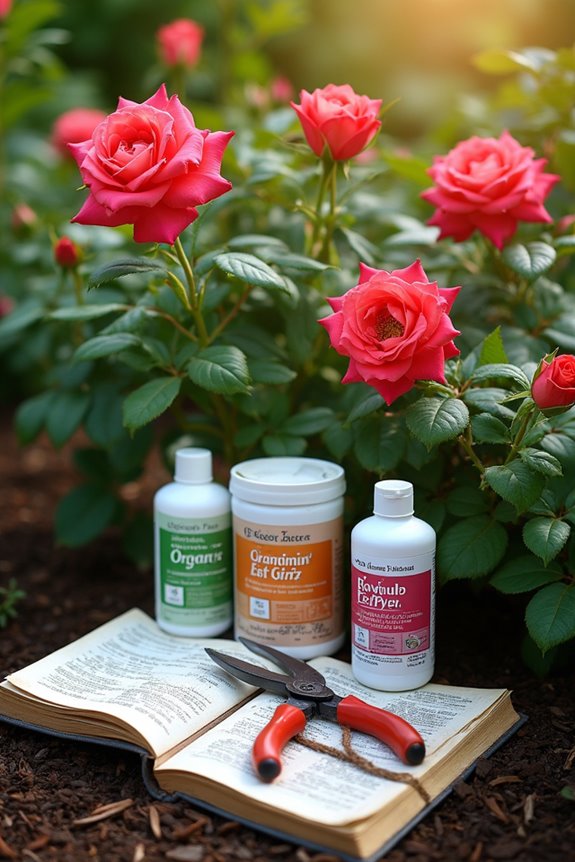
How do we choose the right fertilizers for our beloved roses as autumn approaches? Let’s turn to the exciting world of organic options! We love utilizing types of organic fertilizers like bone meal and alfalfa meal. These provide essential nutrients while promoting deeper root growth—perfect for preparing for winter. Bone meal boosts phosphorus levels, vital for robust roots! Plus, alfalfa meal comes with lower nitrogen options, which helps prevent excess growth that could be frosted. Compost and worm castings enrich the soil, enhancing microbial life while providing a slow nutrient release. We can even enjoy mild fish emulsion for sparing use to support our roses without overstimulating them. Using fertilizers rich in essential micronutrients can also lead to optimal plant growth. Let’s gear up for a thriving spring by choosing wisely this fall!
Recommended Products

Horticultural Grade Vermiculite: Premium organic fine vermiculite, ideal for potting soil for orchids, indoor plants, and succulents. Enhances water retention and nutrient availability for robust growth.
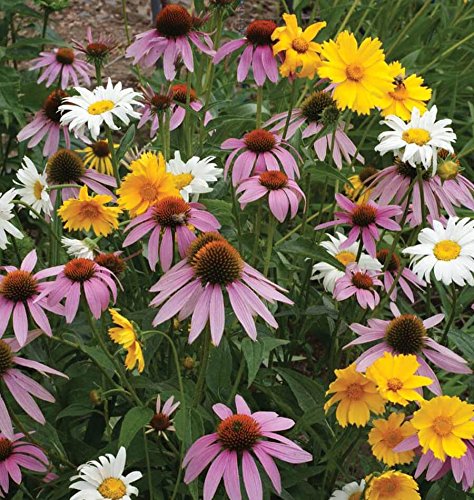
Non-GMO Bulk All Perennial Wildflower Seed Mix

HEAVY FEEDER FORMULA: Specially formulated for heavy feeding of vegetables and flowers. This all-purpose fertilizer delivers nutrition to support demanding plants, helping gardeners maintain strong performance where standard feeding may fall short
Effects of Timely Fertilization on Rose Vigor

Fertilizing our roses at the right time can mean the difference between a thriving spring bloom and a lackluster display! When we properly time our autumn fertilization, typically finishing by early October, we promote robust root strengthening rather than stimulating new growth that can’t survive the winter. This strategy helps our roses build energy reserves, enhancing their vigor for the upcoming season. Avoiding late fertilization prevents weak growth that’s susceptible to frost damage, ensuring sturdy plants come spring. Low-nitrogen fertilizers like bone meal can further support this process! Additionally, using an organic option like Espoma Organic Rose-Tone can provide balanced nutrients that help nourish the roots during this critical time. So, let’s gear our roses for a healthy winter slumber and an explosive return next season, ready to fill our gardens with beauty and fragrance!
Fertilization Practices for Newly Planted Roses

When we plant our roses, the care we provide in those early days can make or break their beautiful future! To kickstart healthy root development, we should wait until our young plants have 4-6 inches of new growth and leaflets with 5-7 leaves before fertilizing. A mild fertilizer, like fish emulsion, applied every 3-6 weeks can work wonders! Let’s steer clear of harsh chemicals in the first year—organic options are our best friends. If we planted in autumn, it’s wise to hold off on feeding until spring to support proper dormancy. Regular compost application can further enhance soil quality and promote robust growth. With a little patience and the right care, we’re already setting the stage for glorious blooms ahead! Exciting, isn’t it? Let’s dig in!
Recommended Products
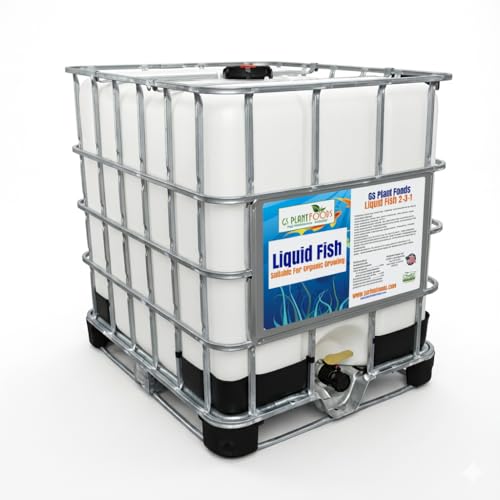
OMRI CERTIFIED Organic Materials Review Institute Listed for Organic Production Approved as GS Plant Foods Organic Liquid Fish Concentrate 2-3-1. Suitable for organic growing under OMRI and NOP standards.

ORGANIC MATERIALS REVIEW INSTITUTE LISTED FOR TRUSTED GARDEN CARE Certified by OMRI for use in organic growing, GS Plant Foods Liquid Fish & Kelp Fertilizer delivers reliable, natural nutrition for vegetables, flowers, and shrubs.

Living Soil Conditioner Powered by Biology: Features over 4,000 microbial species and billions of active microbes per dose; supports the soil food web and nutrient mineralization; designed for indoor and outdoor plants. Strengthens soil ecosystems for long-term performance
Feeding Established Roses in Autumn
As autumn paints our gardens in warm hues, it’s also the perfect time to nurture our established roses for the promise of vibrant blooms next spring! We should feed our roses with a slow-release fertilizer low in nitrogen, usually applied in late summer to early autumn. This helps promote healthy root development while guarding against autumn diseases. Let’s avoid stimulating new growth too late in the season, which could leave our precious blooms vulnerable to frost damage. Remember, organic options like bone meal or alfalfa pellets can be fantastic choices. By fostering robust roots now, we’re prepping our roses to weather winter’s chill and flourish come spring! So, let’s dig in and give our roses the support they need!
Recommended Products
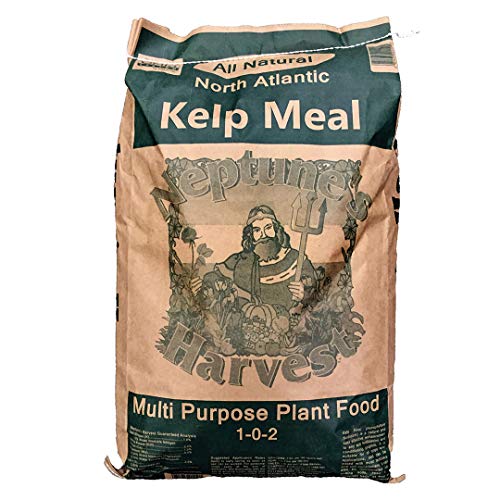
Derived for Maximum Growth: Neptune’s Harvest Organic Kelp Meal is a dry fertilizer made from Ascophyllum Nodosum (Norwegian kelp), designed as an all-purpose plant food; this kelp meal fertilizer adds organic matter, trace minerals, and essential nutrients to soil, enhancing the growth of vegetables, flowers, lawns, and other plants; perfect for improving soil health and promoting robust growth throughout the growing season and is safe for kids and pets

BLOOMS AFTER FIRST APPLICATION: This fertilizer booster flows to the root zone of rose bushes, hydrangeas, citrus trees, and garden plants to activate garden soil nutrients and unlock the full potential of existing fertilizers. Customers report rose bushes that had not bloomed in years producing big, beautiful flowers within weeks of application.

ROSE FERTILIZER FEEDS UP TO 3 MONTHS: Miracle-Gro Shake 'n Feed Rose & Bloom nourishes your plants above and below the soil for up to 3 months, providing nutrients for more blooms and spectacular color (vs. unfed)
Frequency and Application Techniques
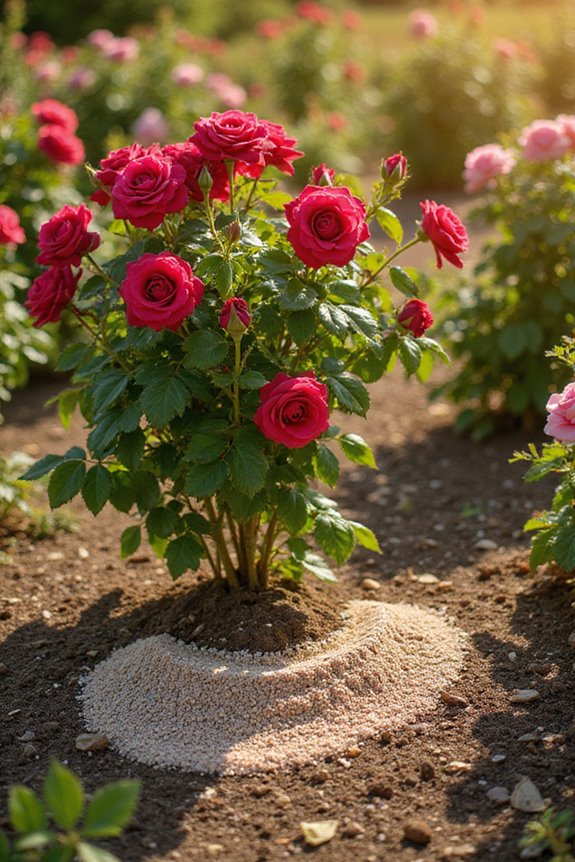
Now that we’ve nourished our established roses in autumn, it’s time to contemplate how often and in what ways we should apply fertilizer to keep our plants healthy and thriving! We should fertilize every 4 to 6 weeks during the growing season, but in autumn, we need to dial it back. About 6 to 8 weeks before the first frost, let’s stop to help our roses enter dormancy safely. Using low-nitrogen fertilizers like bone meal or alfalfa pellets encourages strong root development without those pesky soft shoots! We’ll apply a light top dressing around the drip line, then water it in. Don’t forget, container roses benefit from more frequent feeding! Let’s keep those autumn nutrients flowing for a glorious spring bloom!
Recommended Products

Dyna-Gro Bloom 3-12-6 is a low nitrogen, high phosphorus formula

Down To Earth Citrus Mix is a twenty-five pound box of all natural fertilizer with 6-3-3 formula and is listed by the Organic Materials Review Institute (OMRI) for use in organic production

WATCH YOUR PLANTS FLOURISH: This plant food for vegetables is designed to support growth. Enhance plant size and structure, promoting abundant fruit, flower, and bud development
Nutrient Content Considerations for Autumn Fertilizers
Understanding the nutrient content of autumn fertilizers is essential if we want our roses to thrive through the chilly months ahead! In autumn, we should focus on balanced N-P-K ratios that reduce nitrogen, preventing tender growth that can’t handle frost. Instead, we should boost potassium to enhance cold resistance and support root development with phosphorus, ensuring our roses build strength for winter. Micronutrients, like calcium and magnesium, play crucial roles too, promoting robust stems and vibrant leaves. Remember, we’re aiming to avoid any nutrient imbalance that can hinder our rose bushes. So, let’s choose organic fertilizers for a gentle nutrient release or synthetic options for precise formulations. With the right timing and balance, our roses will be ready to flourish come spring!
Recommended Products

BACKED BY SCIENCE - Proviotic is an exquisite plant-based probiotic, researched and backed by Harvard Medical School scientists, in particular Dr. Andrew Onderdonk. Results of the research show that the special bacteria of Proviotic - L. bulgaricus GLB44 is capable of inhibiting harmful bacteria in the gut.

𝗠𝗬𝗖𝗢𝗥𝗥𝗛𝗜𝗭𝗔𝗟 𝗙𝗨𝗡𝗚𝗜 𝗙𝗢𝗥 𝗣𝗟𝗔𝗡𝗧𝗦: Wallace Organic Wonder Mycorrhizal Fungi is super concentrated, fresh, and alive. It forms a symbiotic relationship with plant roots, enhancing nutrient absorption and water retention in outdoor and indoor plants. Ideal for vegetables, fruits, flowers, herbs, and lawns. Using only Endo Mycorrhizae (Rhizophagus intraradices) for superior colonization in nutrient-rich and organic environments.
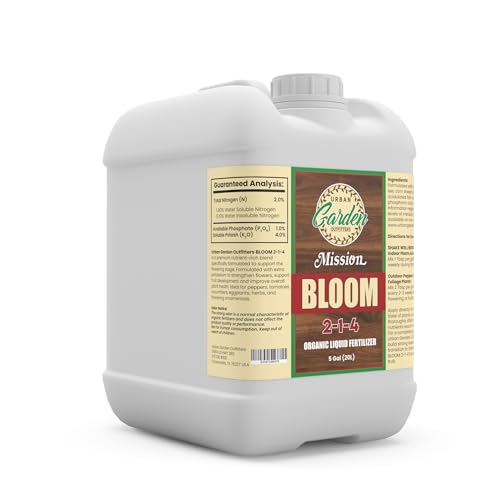
Powerful Bloom-Stage Nutrition – Tailored 2-1-4 N-P-K ratio feeds plants in the flowering and fruiting stage for bigger blooms, richer color, and increased yields.
Understanding N-P-K Ratios for Roses
When it comes to nurturing our roses, mastering the N-P-K ratios can make all the difference for vibrant blooms and sturdy stems! Understanding that nitrogen (N) boosts foliage, phosphorus (P) supports roots, and potassium (K) enhances overall health is vital for achieving a beautiful garden. For roses, an ideal N-P-K balance often leans toward ratios like 10-10-10 or 6-12-6, especially as nutrient timing plays a key role in their development. We should consider increasing phosphorus before blooming for stronger flowers and engaging those necessary potassium levels before dormancy. Regular soil tests help us fine-tune these ratios and avoid imbalances that can stunt our roses’ fantastic potential. Let’s guarantee our roses flourish brilliantly this season!
Tips for Successful Autumn Fertilization
As autumn sets in, we can’t help but feel a sense of excitement about prepping our roses for the winter ahead! To guarantee successful autumn fertilization, timing is vital—let’s apply that low-nitrogen, high-phosphorus fertilizer about 6 to 8 weeks before the first expected frost. This promotes strong root growth without inviting tender new shoots! We can also enhance soil with organic amendments like compost and fish fertilizer. Don’t forget excellent pruning techniques because they help in winter preparation, too! Water before and after fertilizing to aid nutrient absorption and consider mulching for moisture retention. One well-timed application will often work wonders! Let’s keep our roses vibrant and ready for their long winter nap!
Frequently Asked Questions
Can I Use Compost as Fertilizer in Autumn?
Yes, we can definitely use organic compost as fertilizer in autumn. Compost benefits our soil by enhancing nutrients, improving structure, and bolstering our roses’ resilience against pests, ensuring they thrive through winter and into spring.
What Happens if I Fertilize Too Late in the Autumn?
If we fertilize too late in autumn, we risk our roses becoming tender, frostbitten victims! Late fertilizer absorption can stunt root development, leaving them weak and susceptible to cold damage. Timing’s essential for strong, resilient blooms.
Are There Signs My Roses Need Autumn Fertilization?
We can tell our roses need autumn fertilization by observing signs like leaf discoloration and small blooms. If we notice yellowing leaves or weak growth, it’s likely a sign of nutrient deficiency requiring our attention.
How Does Soil Type Affect Autumn Fertilization for Roses?
Soil type considerably affects autumn fertilization for roses. Sandy soils struggle with nutrient retention, while clay holds too much. We should consider soil pH, ensuring it supports ideal nutrient availability for healthy roses during winter.
Can I Fertilize Roses if They Are Still Blooming in Autumn?
Yes, we can fertilize blooming roses in autumn, but let’s focus on nutrients that support root strength instead of promoting new growth. It’s essential to respect their blooming cycles while preparing them for dormancy.