As an Amazon Associate, we earn from qualifying purchases. Some links on this site are affiliate links at no extra cost to you. Our recommendations are based on thorough research and editorial judgment.

Why Are Rose Stems Dying Back?

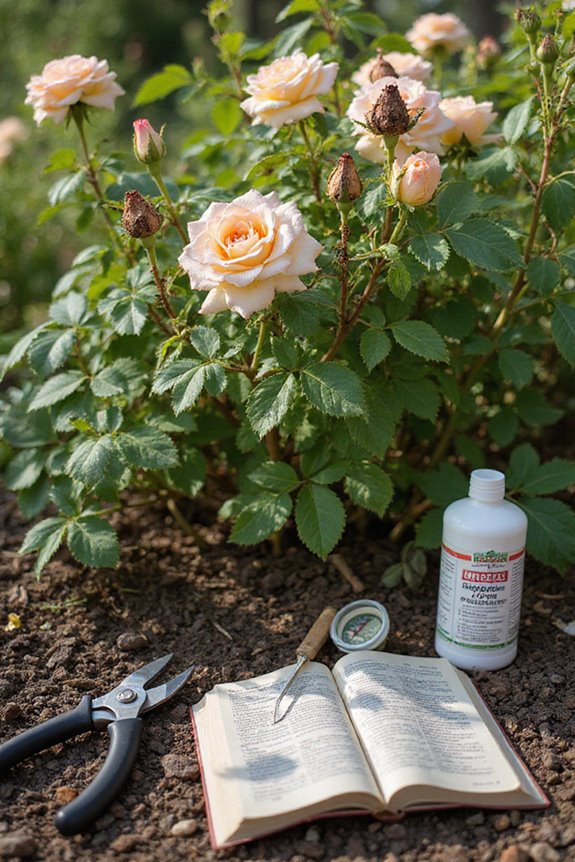
When our rose stems die back, it often signals a mix of trouble! Prolonged cold, poor drainage, and pesky fungal infections can all contribute. We should watch for symptoms like browning stems, wilting leaves, or even tiny black fungal structures. By keeping our roses well-pruned and ensuring proper soil nutrition, we can boost their defenses! Emphasizing good water management is key, too—aim for the base of the plant! Let’s explore more about preventing these issues together!
Key Takeaways
- Prolonged cold, poor drainage, and improper pruning can all lead to rose stem dieback.
- Fungal infections like *Botrytis cinerea* disrupt nutrient flow and thrive in high humidity.
- Environmental stressors, such as climate change or mismanaged soil moisture, contribute to plant weakness.
- Poor nutrient management and water quality can cause stress, making roses susceptible to disease.
- Symptoms like browning stems, wilting leaves, and dieback at shoot tips indicate underlying issues needing attention.
Understanding Rose Stem Dieback
You may be interested



When we think about our cherished roses, it can be disheartening to see those beautiful stems start to fade or die back. Understanding the root causes of this dieback is essential for all of us gardeners! Prolonged cold, poor drainage, and improper pruning techniques can all contribute to those troubling dieback symptoms. We should be vigilant about conditions that lead to fungal infections, which weaken our roses over time. Maintaining well-drained, nutrient-rich soil and using high-potash fertilizers fortifies our plants against potential infections. Plus, remember to prune smartly with clean, sharp tools to avoid introducing damage or disease! By recognizing these factors early, we can help our roses flourish for seasons to come. Using high-potassium fertilizers can also encourage robust growth and help prevent vulnerability to diseases. Let’s keep our gardens blooming!
Common Symptoms to Look For
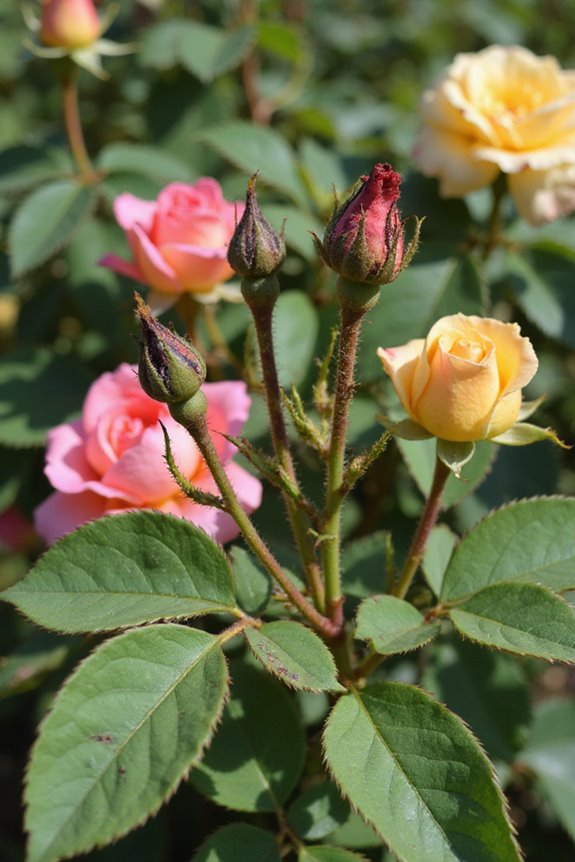
Recognizing the symptoms of rose stem dieback can empower us to take action before it’s too late! We should watch for progressive browning or blackening of stems, often accompanied by wilting leaves. These color changes signal underlying issues that could jeopardize our beautiful blooms. Don’t forget to check for dieback at shoot tips, especially after frost or poorly executed pruning. And let’s not overlook wilting or leaf drop; these are clear disease indicators! If we see tiny black fungal structures, we might need to address a fungal infection. Let’s stay vigilant about stem deformities, too, as they can reveal viral problems like Rose Rosette Disease. By getting good at symptom identification, we can safeguard our beloved roses! Utilizing effective pest management strategies can also help prevent future occurrences of damage to your roses.
Fungal Infections and Their Role

Fungal infections can be sneaky foes in our rose gardens, thriving where we least expect them! Common culprits like *Cryptosporella umbrina*, *Coniothyrium* spp., and *Botrytis cinerea* unleash chaos, creating cankers that interrupt nutrient flow and cause rapid dieback. We must remain vigilant! Powdery mildew, with its signature white growth, weakens stems and can stem vigor, while Botrytis thrives in wet weather, leading to fuzzy mold and flower failures. Keep an eye out for those tiny spore dispersal agents that can rapidly spread these pesky fungal pathogens! Regularly prune away affected areas, improve air circulation, and consider applying preventative fungicides to safeguard our beloved roses. Additionally, using BIOADVANCED Disease Control can help prevent various diseases and strengthen your plants. Let’s keep our gardens vibrant and flourishing, free from these sneaky, fungal threats!
Bacterial Infections and Viral Contributions

While we cherish the beauty of our roses, it’s important to remember that they can fall prey to hidden threats, including bacterial infections and viral diseases. Bacterial pathogens thrive in rose stems already weakened by improper pruning or physical damage. They disrupt the plant’s vascular system, leading to swift dieback! Equally concerning is rose rosette disease (RRD), caused by the *Rose rosette virus*, spread by the eriophyid mite. Keep an eye out for thickened, red shoots and excessive thorniness—signs of viral transmission! To combat these issues, we must maintain plant vigor through careful pruning and good gardening practices. Incorporating easy-care rose varieties can further enhance resilience against diseases, helping to guarantee their beauty blooms brightly for years to come!
Recommended Products

SUPER CONCENTRATE MAKES 1,000 GALLONS - Earth's Ally 3 in 1 Plant Spray Super Concentrate creates 1,000 gallons of multi-purpose pest and fungus spray that works as an insecticide, miticide and fungicide. The formula effectively controls insects and common plant diseases with a synergistic blend of botanical oils.

EFFECTIVE SPIDER MITE, POWDERY MILDEW & PLANT DISEASE CONTROL – Natural miticide and spider mite killer effective against two-spotted spider mites, broad mites, russet mites, whiteflies, aphids, powdery mildew, and downy mildew on vegetables, flowers, houseplants, indoor plants, ornamentals, and garden crops.

Packaging Update: You may receive previous or updated packaging during our transition. Same formula, same performance. Complete Plant Care Solution - This all-in-one plant care spray is intended for routine use as part of a regular plant maintenance program. Designed to be used alongside Humboldt’s Secret nutrients for flowers vegetables and houseplants at every stage of growth.
Environmental Stress Factors
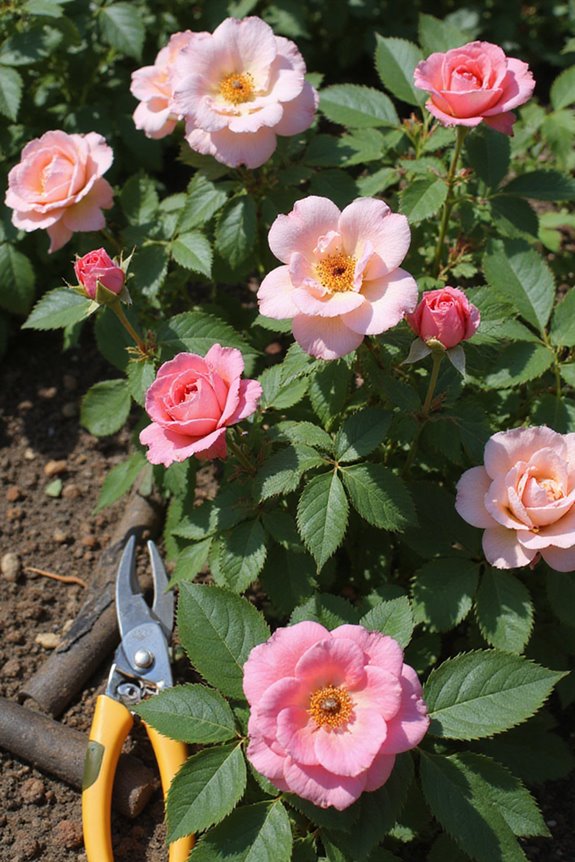
As we explore the world of roses, we can’t overlook how environmental stress factors can impact our beloved blooms! Climate change plays a significant role, bringing temperature extremes that can lead to frost damage or rapid wilting. We must be vigilant about soil moisture too; both drought and waterlogging can sap our roses’ vitality. Make sure proper irrigation management is in place to keep that perfect moisture balance! High humidity can also invite pesky fungal infections. Let’s encourage good airflow by spacing our plants properly. And don’t forget soil health—nutrient deficiencies weaken our roses’ defenses against environmental pollutants. By paying attention to these stressors, we can nurture our roses into thriving, resilient beauties! To enhance soil health via organic amendments, consider using quality products that boost nutrient content for stronger plants. Let’s keep our gardens blooming bright!
The Impact of Pruning Practices
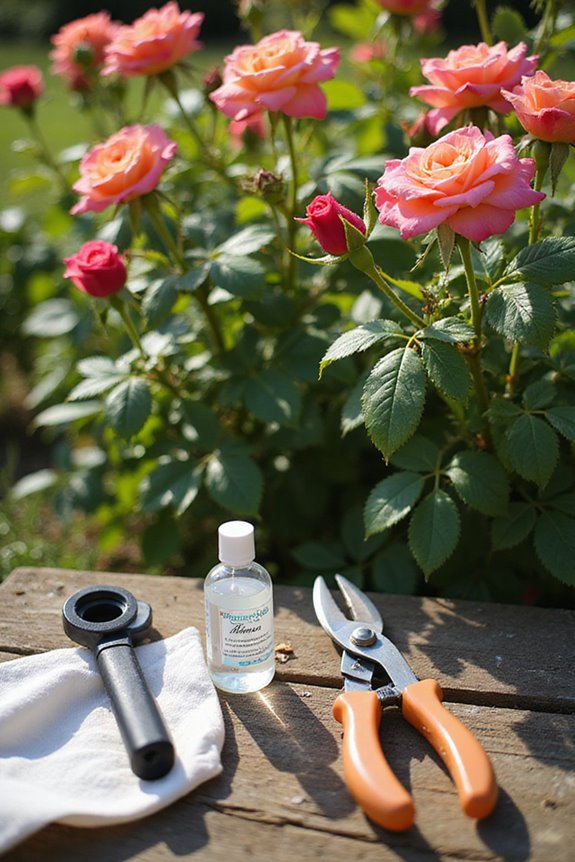
When we think about nurturing our roses, we can’t overlook the indispensable role that pruning practices play in their overall health! Proper pruning timing and cutting techniques are essential. We should always prune during mild weather, avoiding those frosty days or hot spells that stress our plants. Sharp, clean secateurs are our best friends—these tools leave clean cuts that won’t become entry points for pathogens. Remember to angle our cuts at 45 degrees, minimizing water retention! When we prune, let’s make cuts just above healthy buds, encouraging vigorous new growth. Cleaning our tools between cuts is critical to prevent disease spread. Together, we can guarantee our roses thrive, avoiding mid-summer’s potential pitfalls and embracing the joy of flourishing blooms!
Recommended Products

CUTCO Forever Guarantee provides for free sharpening and replacement forever.

[ VERY SHARP & STRONG POWER ] -- The KOMOK professional cordless pruning shears’ blade is forged from SK5 high carbon steel and powered by brushless motor. It is extremely sharp and durable, making it easy to cut 1.65 inch/42 mm branches. Also its service life is 3 to 5 times that of a conventional brush motor. LED digital display shows number of cuts made and current percentage of battery charge. The number of cuts made can be useful to monitor your workload.

【4000mAh Battery】: Powerful and long-lasting! Kebtek cordless electric secateurs come with 2 efficient 2000 mAh batteries which can provide the cordless pruner 6-8 hours of continuous use! No more frequent recharging!
Diseases Linked to Stem Dieback
Diseases linked to stem dieback can be like stealthy ninjas, creeping in and compromising our cherished roses before we even realize it. Fungal culprits like *Diplodia rosarum* and *Botrytis cinerea* thrive in cool, moist conditions. They invade through wounds—so let’s be mindful with our pruning! Embracing fungal resistance strategies, we can help our roses become resilient warriors against these attacks. Understanding the disease cycle is key: initial browning at the tips can swiftly ruin an entire stem. Look for those telltale cankers and discoloration. If we nurture our plants with balanced nutrients and proper drainage, we minimize stress and the risk of disease. Let’s cultivate strong, thriving roses that can stand proud against these pesky foes!
Effective Management Strategies
Effective management strategies can make the difference between a thriving rose garden and one faced with the heartbreak of stem dieback! By incorporating cultural controls, we can enhance our roses’ resilience. Let’s start with regular pruning—cut back affected stems well into healthy wood! Sterilize tools with alcohol to avoid spreading issues.
Nutrient balance is essential too. Annually applying organic matter boosts soil quality, while a high potash fertilizer toughens stems, making them less susceptible to pests. Remember, too much nitrogen leads to weak growth, so keep it in check.
Plant roses where they’ll be protected from harsh winds and guarantee proper watering—well-drained soil is key! With these strategies, our rose garden can flourish and keep dieback at bay!
Importance of Soil and Water Quality
To keep our roses thriving and vibrant, understanding the importance of soil and water quality is crucial! Healthy roses begin with well-drained soils; we must amend compacted or clay-heavy soils to guarantee roots breathe and thrive. Incorporating organic materials, like compost, enhances soil nutrition and supports beneficial microbes that fend off diseases.
Next, let’s not forget about water quality! Poor water can stress our plants, making them vulnerable to infections. Always water at the base of the plant instead of overhead to reduce leaf wetness—this simple practice helps prevent fungal issues. It’s a balancing act; we need to avoid both drought and over-saturation. By focusing on these factors, we’re nurturing the beautiful blooms we all love!
Preventative Measures for Healthy Roses
Caring for roses isn’t just about enjoying their beauty; it’s about ensuring a healthy and vibrant garden filled with life! To keep our roses thriving, let’s focus on effective preventative maintenance and nutrient management. First, we should prune with sharp tools for clean cuts, ensuring we cut above outward-facing buds at a 45° angle. Regularly inspect for diseases and be proactive—apply fungicides when humidity is high! Besides that, we can improve soil nutrition with organic matter and use high potassium fertilizers to strengthen our plants. Finally, let’s always maintain good hygiene by disinfecting our tools and cleaning up fallen debris. Together, we’ll cultivate a flourishing rose garden that dazzles with health!
Frequently Asked Questions
Can I Use Homemade Remedies to Treat Rose Stem Dieback?
Absolutely, we can use homemade remedies to treat rose stem dieback! By combining natural solutions with preventative measures, like proper pruning and soil care, we enhance our roses’ health and resilience against future issues.
How Can I Tell if My Roses Are Stressed?
To tell if our roses are stressed, we should watch for drooping leaves, browning stems, and poor blooms, often caused by environmental stressors. Maintaining rose plant health is essential for thriving blooms and overall vigor.
Are Certain Rose Varieties More Susceptible to Dieback?
“If it ain’t broke, don’t fix it.” While hybrid roses may be more susceptible to dieback, disease resistance can vary. Weather factors and soil quality also greatly influence all varieties’ resilience against this issue.
What Time of Year Is Best for Rose Pruning?
The best time for rose pruning is in late winter to early spring, just before new growth emerges. Autumn pruning can help, but we should be cautious to avoid stimulating new growth before winter.
Can Rose Stem Dieback Affect Nearby Plants?
Absolutely, rose stem dieback can affect nearby plants. We need to watch for dieback symptoms, as poor plant health can elevate infection risks, spreading pathogens. Let’s keep our garden strong and healthy together!